William Selig: Film Director & Cinematic Visionary
William Selig: A Pioneer of Early Cinema
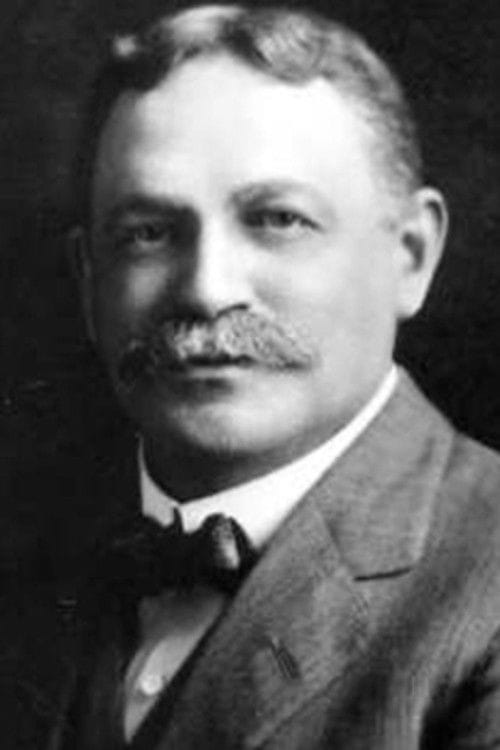
William Selig, a name perhaps less familiar to modern audiences than his contemporaries like D.W. Griffith or Georges Méliès, was nonetheless a towering figure in the nascent years of cinema. A true pioneer of the silent era, particularly during the period from 1900 to 1909, Selig was an innovator, an entrepreneur, and a driving force behind the establishment of Hollywood as the film capital of the world. His vision, ambition, and relentless pursuit of technological advancement laid the groundwork for many of the cinematic techniques and industrial practices we take for granted today.
Early Life and Entrepreneurial Beginnings
Born in Chicago, Illinois, on February 14, 1864, William Selig's early life provided little indication of the profound impact he would eventually have on the entertainment industry. He did not emerge from an artistic or theatrical background; instead, he demonstrated a keen interest in mechanics and invention from a young age. This practical bent proved crucial to his later success in navigating the technological challenges of early filmmaking. Before venturing into the realm of moving pictures, Selig explored various entrepreneurial pursuits, including working as a magician's assistant and running a minstrel show. These experiences honed his understanding of audience engagement and the power of visual spectacle, qualities he would later leverage in his cinematic endeavors.
His fascination with technology led him to experiment with photography and projection. Inspired by the pioneering work of figures like Étienne-Jules Marey and Eadweard Muybridge, Selig became convinced of the potential of capturing and projecting moving images. He recognized the limitations of existing technologies and set out to develop his own improved motion picture camera and projector. This entrepreneurial spirit, coupled with a deep understanding of mechanics, would prove to be the foundation upon which he built his film empire.
In the late 1890s, Selig dedicated himself to developing a reliable and affordable motion picture system. He disassembled and studied existing cameras and projectors, meticulously analyzing their strengths and weaknesses. Through tireless experimentation and innovation, he created his own version, which he dubbed the "Selig Polyscope." This invention became the cornerstone of his burgeoning film production company, marking the true beginning of his significant contribution to cinematic history.
Directorial Style & Signature Techniques
William Selig’s directorial style was very much a product of his time, but even within the constraints of early cinema, he exhibited a clear set of preferences and techniques that distinguished his work. He was not necessarily a stylist in the same vein as later directors, but he possessed a keen understanding of what audiences wanted and a knack for delivering it effectively.
Focus on Realism and Spectacle
Selig's films often prioritized realism and spectacle. He understood that early film audiences were captivated by the novelty of seeing real-world events and exotic locales brought to life on the screen. His travelogues, newsreels, and adventure films were particularly popular, as they offered viewers a glimpse into places and experiences they might otherwise never encounter. He was an early adopter of location shooting, understanding that filming in authentic environments added credibility and visual appeal to his productions. This commitment to realism extended to his casting choices. He often employed non-actors, favoring individuals with genuine skills or backgrounds relevant to the story, enhancing the sense of authenticity in his films.
Exploitation of Animal Actors
One of Selig's most distinctive trademarks was his frequent use of animal actors. He had a deep fascination with animals and recognized their potential to captivate audiences. His studio maintained a large menagerie of exotic animals, which were regularly featured in his films. Lions, tigers, elephants, and even apes were common sights in Selig productions, adding a unique and often thrilling element to his narratives. Films like "The Adventures of Kathlyn" (1913-1916) became synonymous with Selig's brand, showcasing the daring exploits of a heroine alongside trained wild animals. This use of animals, while raising ethical considerations by modern standards, was a significant factor in his films' popularity at the time.
Early Experiments with Narrative Structure
While Selig's films were generally straightforward in their narratives, he did experiment with some early forms of storytelling techniques. He often utilized parallel editing to create suspense or contrast different storylines. He also understood the importance of visual storytelling, relying on action and spectacle to convey information and emotions. However, it’s important to note that sophisticated character development and complex plotlines were not hallmarks of his work, reflecting the general limitations of early cinema.
Technological Innovation
Selig was a relentless innovator when it came to filmmaking technology. He constantly sought ways to improve the quality and efficiency of his productions. He was among the first to experiment with color film processes, although his efforts were not always successful. He also invested heavily in developing new camera equipment and lighting techniques. His dedication to technological advancement helped to push the boundaries of what was possible in early cinema and contributed to the overall development of the industry.
Major Films & Career Highlights
William Selig’s filmography, spanning the first two decades of the 20th century, is a diverse and extensive collection of genres, themes, and innovations. While many of his early works are now lost, the surviving films and historical records paint a clear picture of his prolific output and significant contribution to the development of American cinema. Several key films and career highlights stand out as particularly significant.
Early Documentaries and Newsreels
In the early years of his career, Selig focused on producing documentaries and newsreels. These films captured real-world events and offered audiences a window into different cultures and lifestyles. His coverage of events like the Spanish-American War and the construction of the Panama Canal proved to be incredibly popular, demonstrating the public's growing appetite for cinematic news and information. He was adept at capturing dynamic and visually compelling footage, establishing a template for future newsreel producers.
"The Count of Monte Cristo" (1908)
One of Selig's most ambitious early projects was his adaptation of Alexandre Dumas' classic novel, "The Count of Monte Cristo." Released in 1908, this film was a landmark achievement in terms of both length and production value. At approximately 18 minutes long, it was considered a feature-length film for its time and required a substantial investment in sets, costumes, and actors. The film’s success demonstrated the potential for longer, more complex narratives in cinema and paved the way for future adaptations of literary classics. This film is a landmark example of early adaptation of literature in cinema, showcasing Selig's ambition and ability to handle large-scale productions.
"The Adventures of Kathlyn" (1913-1916)
Perhaps Selig’s most famous and commercially successful venture was "The Adventures of Kathlyn," a series of thirteen episodes released between 1913 and 1916. This adventure serial followed the exploits of Kathlyn Williams, a daring heroine who faced numerous perils in exotic locales. The series was notable for its use of trained animals, particularly lions and tigers, which added a thrilling and exotic element to the narrative. "The Adventures of Kathlyn" was a massive hit with audiences, solidifying Selig’s reputation as a master of spectacle and adventure. The serial’s success was also a testament to the growing popularity of serial filmmaking, which became a staple of early cinema.
Establishing Selig Polyscope Company and Hollywood
Beyond specific films, Selig's most lasting achievement was the establishment and development of the Selig Polyscope Company. He built a state-of-the-art studio in Chicago and later expanded his operations to Los Angeles, becoming one of the first major film producers to recognize the potential of Hollywood as a filmmaking hub. His studio attracted talented actors, writers, and technicians, contributing to the growth and professionalization of the American film industry. Selig's decision to relocate to Los Angeles was a crucial turning point in the history of Hollywood, solidifying its position as the center of American filmmaking.
"Hunting Big Game in Africa" (1909)
"Hunting Big Game in Africa" represents Selig's talent for blending documentary realism with staged spectacle. This film, touted as a real-life expedition, featured footage of African wildlife and staged hunting scenes. While later criticized for its ethically questionable depictions of hunting, it captivated audiences with its exotic imagery and thrilling narrative, further demonstrating Selig's understanding of audience desires and his skill in delivering compelling visual experiences. It is a prime example of early adventure filmmaking and highlights Selig's innovative approach to combining entertainment and education.
Collaborations & Influence
William Selig's impact extended beyond his own directorial endeavors. He was a key figure in fostering a collaborative environment within the early film industry and his influence can be seen in the work of numerous individuals who passed through his studio.
Nurturing Emerging Talent
Selig was instrumental in providing opportunities for aspiring actors, directors, and technicians. He had a knack for identifying and nurturing talent, giving many individuals their first break in the film industry. Many actors who started their careers with Selig went on to achieve considerable success in Hollywood. This commitment to developing new talent helped to fuel the rapid growth and professionalization of the film industry.
Association with Early Film Pioneers
Selig worked alongside and collaborated with other early film pioneers, exchanging ideas and sharing technological innovations. He engaged in partnerships with other studio heads, distributors, and exhibitors, contributing to the development of a cohesive and collaborative industry ecosystem. His association with these influential figures helped to shape the direction of early cinema and ensure its continued growth.
Impact on Genre Development
Selig's work played a significant role in shaping the development of various film genres. His adventure films, Westerns, and historical dramas helped to establish the conventions and tropes that would become hallmarks of these genres. He also pioneered the use of location shooting in these genres, adding a greater sense of realism and authenticity to his productions. His contributions to genre development are still felt today in the enduring popularity of adventure and Western films.
Influence on Studio System Development
Selig's establishment of the Selig Polyscope Company was a crucial step in the development of the studio system. He built a vertically integrated organization that controlled all aspects of film production, from scriptwriting and casting to filming and distribution. This model became the standard for major Hollywood studios and helped to establish the dominance of the studio system for decades to come. His organizational acumen and business strategies set a precedent for the future of the film industry.
Awards & Recognition
While formal award ceremonies were not prevalent during the early years of cinema, William Selig's contributions were widely recognized and celebrated within the industry and by the public. He earned considerable prestige and acclaim for his innovative filmmaking techniques and his role in developing Hollywood as the film capital of the world.
Industry Acclaim and Public Recognition
Selig's films were consistently praised by critics and audiences alike for their technical achievements, their engaging storylines, and their visual spectacle. He was recognized as a leading innovator in the field of motion pictures and his work was widely imitated by other filmmakers. His popularity translated into significant commercial success, making him one of the most prominent and influential figures in the early film industry.
Legacy as a Pioneer
Although he did not receive formal awards as we understand them today, Selig's legacy as a pioneer of cinema is a recognition in itself. Film historians and scholars acknowledge his crucial role in shaping the development of the American film industry. His contributions to filmmaking technology, genre development, and studio system development are all testament to his enduring impact on the art and business of cinema.
Star on the Hollywood Walk of Fame
Decades after his active filmmaking career ended, William Selig was posthumously honored with a star on the Hollywood Walk of Fame, a permanent symbol of his contributions to the entertainment industry. This recognition serves as a reminder of his significance as a founding figure in the history of Hollywood.
Cultural Impact & Legacy
William Selig’s cultural impact extends far beyond his specific films and studio operations. He played a pivotal role in shaping the cultural landscape of the early 20th century, contributing to the rise of cinema as a mass entertainment medium and influencing the ways in which people perceived and interacted with the world around them.
Popularizing Cinema as Mass Entertainment
Selig's films helped to popularize cinema as a form of mass entertainment. His accessible narratives, visually compelling imagery, and emphasis on spectacle attracted a wide audience, helping to transform cinema from a niche novelty into a mainstream cultural phenomenon. His business acumen and marketing strategies further contributed to the growth of the film industry and the expansion of its audience base.
Shaping American Visual Culture
Selig's films played a significant role in shaping American visual culture. His depictions of real-world events, exotic locales, and heroic figures helped to construct and reinforce national identities and cultural values. His use of visual storytelling techniques influenced the way in which audiences consumed and interpreted information, contributing to the development of a visual literacy that continues to shape our understanding of the world today.
Influence on Hollywood's Development
William Selig's most lasting legacy is undoubtedly his contribution to the development of Hollywood as the film capital of the world. His decision to establish a studio in Los Angeles helped to attract other filmmakers to the region, creating a vibrant and dynamic film community. His pioneering efforts laid the foundation for the studio system and the global dominance of Hollywood cinema that followed. While his name might not be as widely recognized as some of his contemporaries, his role in shaping the landscape of American cinema is undeniable, making him a true pioneer of the silver screen.