William Desmond Taylor: Film Director & Cinematic Visionary
William Desmond Taylor: A Silent Film Pioneer and His Unsolved Mystery
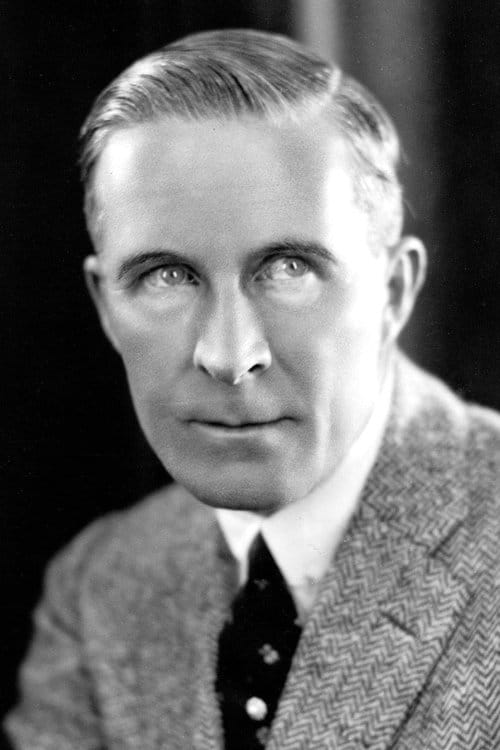
William Desmond Taylor remains a figure shrouded in both cinematic accomplishment and enduring enigma. A prominent director during the burgeoning years of Hollywood's silent film era, particularly between 1910 and 1922 (his actual directorial career extending into the early 1920s), Taylor's life and career were tragically cut short by a sensational murder that continues to fascinate and perplex true crime enthusiasts and film historians alike. Beyond the mystery, however, lies a significant body of work that deserves renewed attention, showcasing a director with a clear understanding of storytelling, visual composition, and the evolving language of cinema. This biography delves into the life and career of William Desmond Taylor, examining his directorial style, major films, and lasting impact on the world of silent film.
1. Introduction & Early Life
From Stage Actor to Silent Film Director
Born William Cunningham Deane-Tanner in Carlow, Ireland, on April 26, 1872, William Desmond Taylor's early life was far removed from the glitz and glamour of Hollywood. He initially pursued a career on the stage, adopting the stage name William Desmond Taylor. This early experience in theater proved invaluable, providing him with a foundational understanding of performance, narrative structure, and visual storytelling. Before committing to the entertainment world, he briefly engaged in antique dealing and even attempted ranching in Kansas, experiences that likely broadened his perspective and added depth to his later cinematic endeavors.
A Sudden Transformation and a New Identity
A pivotal moment occurred in 1908 when Taylor mysteriously abandoned his wife, Ethel May Harrison, and their daughter, Ethel Daisy Deane-Tanner (later Ethel May Harrison Peterson), in New York City. He reinvented himself, severing ties with his past and adopting a new identity that would pave the way for his Hollywood career. The reasons behind this abrupt departure remain unclear, fueled by speculation about financial troubles, romantic entanglements, and a desire for a fresh start. This act of abandonment cast a long shadow over his life and posthumously contributed to the complexities surrounding his murder investigation. The mystery of his past became intertwined with the mystery of his death, making it difficult to separate the man from the myth.
Entry into the Film Industry
Around 1913, Taylor entered the film industry, initially working as an actor, quickly transitioning to directing short films and then feature-length productions. The burgeoning film industry offered a dynamic environment for someone with theatrical experience and a desire for creative control. His background in stage acting provided him with a solid understanding of dramatic pacing and character development, which he effectively translated to the screen. His ambition and drive, coupled with a keen eye for visual storytelling, allowed him to quickly rise through the ranks of the industry. While his early work may have lacked the polish of his later productions, it demonstrated a clear aptitude for directing and a willingness to experiment with the new medium.
2. Directorial Style & Signature Techniques
Mastering the Visual Language of Silent Film
William Desmond Taylor distinguished himself as a director who understood the power of visual storytelling in the silent film era. Without dialogue, he relied heavily on expressive acting, carefully composed shots, and inventive camera techniques to convey emotion, advance the plot, and create a compelling cinematic experience. He demonstrated a strong understanding of mise-en-scène, meticulously arranging the elements within the frame – actors, props, and settings – to create visually arresting and thematically resonant images. Taylor also employed strategic use of intertitles, keeping them concise and impactful, supplementing rather than overwhelming the visual narrative.
Emphasis on Naturalistic Performance
While some silent film directors favored exaggerated gestures and melodramatic acting, Taylor generally preferred a more naturalistic style of performance. He coached his actors to portray genuine emotions and reactions, relying on subtle facial expressions and body language to convey their characters' inner lives. This approach contributed to the realism of his films and helped audiences connect with the characters on a deeper level. He was known for his ability to elicit nuanced performances from his cast, even those who were less experienced. His work with actresses like Mary Pickford and Marguerite Clark showcases his ability to shape and refine their performances.
Innovative Camera Techniques and Editing
Taylor experimented with camera angles, lighting, and editing techniques to enhance the dramatic impact of his films. He utilized close-ups to emphasize key moments of emotion and suspense, and employed long shots to establish settings and create a sense of scale. His use of lighting was particularly effective, creating mood and atmosphere through chiaroscuro effects and subtle gradations of light and shadow. Although editing techniques were relatively rudimentary in the silent era, Taylor demonstrated an understanding of pacing and rhythm, using editing to build suspense, create dramatic contrasts, and seamlessly transition between scenes.
Genre Versatility
Taylor's directorial style was not confined to a single genre. He directed comedies, dramas, mysteries, and westerns, showcasing his versatility and adaptability. While he may be best known for his sophisticated dramas and mysteries, he also demonstrated a talent for lighthearted comedy and action-packed westerns. This genre versatility suggests a director who was constantly seeking new challenges and opportunities to expand his creative horizons. His willingness to experiment with different genres helped him to stay relevant in a rapidly evolving industry.
3. Major Films & Career Highlights
Early Successes and Rising Prominence
Taylor's early directorial efforts included films like "The Real Adventure" (1915) and "Captain Alvarez" (1914). While these early films may not have achieved the same level of critical acclaim as his later work, they served as important stepping stones in his career, allowing him to hone his craft and develop his signature style. He quickly established himself as a reliable and capable director, attracting the attention of major studios and prominent actors.
"Anne of Green Gables" (1919): A Beloved Adaptation
One of Taylor's most enduringly popular films is his adaptation of L.M. Montgomery's classic novel, "Anne of Green Gables" (1919). This film, starring Mary Miles Minter as the iconic Anne Shirley, was a critical and commercial success, solidifying Taylor's reputation as a skilled director of literary adaptations. The film captured the charm and spirit of the novel, bringing Anne's whimsical adventures to life on the screen. While the film is now lost, its historical significance remains undisputed. It is considered by many to be one of the best early adaptations of a beloved children's book, and its popularity helped to further cement the novel's enduring appeal.
"Huckleberry Finn" (1920): Bringing American Literature to Life
Another notable literary adaptation was "Huckleberry Finn" (1920). This film, based on Mark Twain's classic novel, presented a challenge due to the sensitive subject matter and the need to accurately portray the American South during the antebellum period. Taylor successfully navigated these challenges, creating a visually compelling and emotionally resonant adaptation. The film was praised for its authentic depiction of the characters and its faithful adherence to the spirit of the novel. It is considered a significant example of early American film adaptation.
"The Witching Hour" (1921): Exploring Darker Themes
Taylor also directed films that explored darker and more complex themes, such as "The Witching Hour" (1921), a mystery thriller that delved into the realm of hypnotism and psychic phenomena. This film showcased Taylor's ability to create suspense and atmosphere, drawing audiences into a world of intrigue and danger. It demonstrated his versatility as a director, proving that he was capable of tackling a wide range of genres and subject matter.
Other Notable Works
Other notable films directed by Taylor include "The Soul of Youth" (1920), "Jenny Be Good" (1920), and "A Yankee Finish" (1917). Each of these films contributed to his growing reputation as a talented and innovative director. He worked with some of the biggest stars of the era, further solidifying his place in the Hollywood hierarchy.
4. Collaborations & Influence
Working with Silent Film Stars
William Desmond Taylor collaborated with many prominent actors and actresses of the silent film era, including Mary Pickford, Mary Miles Minter, Dustin Farnum, and Jack Pickford. His ability to work effectively with actors and elicit compelling performances was a key factor in his success. These collaborations not only elevated his own career but also contributed to the success and longevity of these actors' careers. He was known for his professionalism and his ability to create a positive and collaborative working environment.
Influence on Other Directors
While the precise extent of Taylor's direct influence on other directors is difficult to quantify, his innovative camera techniques, emphasis on naturalistic performance, and skillful adaptation of literary works undoubtedly had an impact on the development of silent film aesthetics. He was part of a generation of filmmakers who were shaping the language of cinema and experimenting with new ways to tell stories on screen. His contributions to the art of filmmaking, though perhaps less widely celebrated than some of his contemporaries, deserve recognition.
Mentorship and Support
There are accounts suggesting Taylor was a supportive figure in the industry, mentoring younger actors and crew members. While documented evidence of formal mentorship programs is scarce, anecdotal accounts suggest that he was generous with his time and advice, particularly to those who were just starting out in the business. This aspect of his personality further complicates the narrative surrounding his life and death, painting a picture of a complex individual who was both talented and compassionate.
5. Awards & Recognition
While formal awards ceremonies were not as prevalent during the silent film era as they are today, William Desmond Taylor's films were generally well-received by critics and audiences alike. His box office success and his ability to consistently deliver high-quality productions earned him a significant level of recognition within the industry. He was a respected figure among his peers and a sought-after director by major studios.
Industry Respect
Although no specific "awards" in the modern sense exist from that time, Taylor's consistent work and success within the rapidly growing film industry demonstrate a significant level of industry respect and demand. His ability to attract talent and consistently deliver profitable films speaks volumes about his reputation and standing within the Hollywood community.
Posthumous Recognition
In recent years, there has been a renewed interest in William Desmond Taylor's work, with film historians and scholars re-evaluating his contributions to the silent film era. His films are being rediscovered and restored, allowing new audiences to appreciate his talent and artistry. Although his life was tragically cut short, his legacy as a pioneering filmmaker is slowly being reclaimed.
6. Cultural Impact & Legacy
The Unsolved Mystery
William Desmond Taylor's cultural impact is inextricably linked to the unsolved mystery of his murder. The case, which remains one of Hollywood's most enduring cold cases, has spawned countless books, articles, and documentaries, fueling speculation and intrigue for decades. The circumstances surrounding his death continue to fascinate and perplex, overshadowing his accomplishments as a filmmaker. The mystery has become a part of Hollywood lore, a cautionary tale about the dark side of fame and the dangers of the entertainment industry.
A Pioneer of Silent Cinema
Despite the shadow cast by his murder, William Desmond Taylor deserves to be remembered as a significant figure in the development of silent cinema. His innovative camera techniques, emphasis on naturalistic performance, and skillful adaptation of literary works contributed to the evolution of the art form. He was a versatile and talented director who helped to shape the visual language of film.
Rediscovering His Films
As more of William Desmond Taylor's films are rediscovered and restored, his legacy as a filmmaker will continue to grow. His work offers a valuable glimpse into the early days of Hollywood and provides insights into the evolving art of cinematic storytelling. By focusing on his contributions to the world of film, we can move beyond the sensationalism of his murder and appreciate the true extent of his talent and artistry.