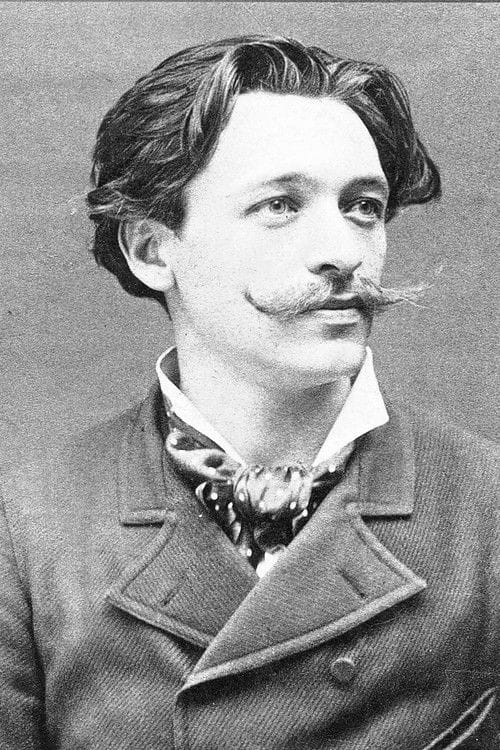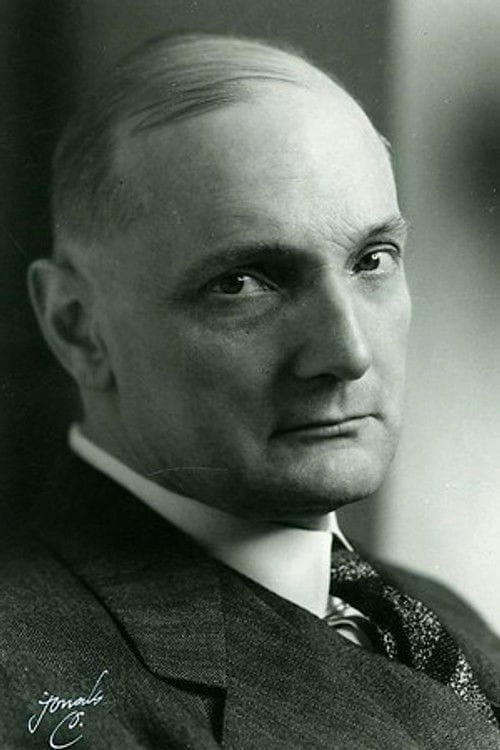
Urban Gad: Film Director & Cinematic Visionary
Urban Gad: A Pioneer of Early Cinema
Urban Gad, a name often whispered in the hallowed halls of early cinema history, was a Danish film director and screenwriter whose influence resonated far beyond the borders of his native land. Born in 1879 and active primarily during the crucial formative years of cinema (specifically, the 1900s and early 1910s), Gad played a pivotal role in shaping the language and aesthetics of the moving image. While his name might not be as widely recognized today as contemporaries like D.W. Griffith or Georges Méliès, a closer examination of his work reveals a sophisticated understanding of storytelling, character development, and visual composition that laid the groundwork for future generations of filmmakers.
Early Life and Background
Born Peter Urban Gad in Korsør, Denmark, to a family of intellectual leanings (his father was a naval officer and writer), Gad received a privileged education and was exposed to art, literature, and theater from a young age. This early exposure cultivated a keen artistic sensibility and an appreciation for narrative structure. He initially pursued a career in acting and theater direction, gaining valuable experience in staging, performance, and audience engagement. This theatrical background would profoundly influence his cinematic approach, particularly his emphasis on character motivation and dramatic pacing.
Before venturing into the world of filmmaking, Gad worked as a playwright and theater critic. This critical eye allowed him to dissect and understand the elements that made a story compelling, a skill that he would later translate seamlessly into the visual medium. His writings reveal a progressive mindset and a willingness to experiment with new artistic forms, making him a natural fit for the rapidly evolving landscape of early cinema. The limitations of the stage, in terms of scenery and location, may have prompted him to explore the possibilities offered by film - a medium that allowed for greater freedom of expression and visual storytelling.
The burgeoning film industry in the early 20th century offered a tantalizing opportunity for Gad to combine his theatrical experience, literary sensibilities, and critical acumen. Recognizing the potential of this new art form, he transitioned from the stage to the screen, embarking on a career that would leave an indelible mark on the history of cinema.
Directorial Style & Signature Techniques
Urban Gad’s directorial style was characterized by a blend of theatrical conventions and innovative cinematic techniques. He was a master of melodrama, crafting emotionally charged narratives that resonated with audiences of his time. However, unlike some of his contemporaries who simply filmed theatrical performances, Gad understood the unique possibilities of the camera and sought to exploit them to enhance the storytelling.
Emphasis on Performance and Character
Gad's background in theater significantly influenced his focus on performance. He was known for meticulously directing his actors, emphasizing nuanced gestures, facial expressions, and body language to convey emotions and motivations. He understood the importance of creating believable and relatable characters, allowing audiences to connect with their struggles and triumphs. His collaborations with Asta Nielsen, in particular, showcased his ability to elicit powerful and memorable performances. He allowed her to express her emotions, using close-ups and camera angles to emphasize key features.
Use of Visual Storytelling
While Gad embraced theatrical conventions, he also recognized the power of visual storytelling. He employed techniques such as close-ups, strategic camera angles, and expressive lighting to create mood and emphasize key plot points. He understood that film could convey information and emotions through visual cues, reducing the reliance on dialogue and theatrical exposition. Gad also experimented with montage and editing techniques to create a sense of rhythm and pacing, enhancing the dramatic impact of his films. He was one of the early directors who understood how the camera could manipulate the viewer's emotions and tell stories without a single spoken word.
Melodrama with a Social Conscience
Many of Gad's films explored themes of social inequality, injustice, and the challenges faced by women in a patriarchal society. While often presented within a melodramatic framework, these films offered a glimpse into the realities of the time and sparked conversations about important social issues. He used his films to challenge conventional morality and explore the complexities of human relationships. This socially conscious approach distinguished him from many of his contemporaries who focused primarily on entertainment.
Sophisticated Set Design and Costume
Gad paid meticulous attention to the visual details of his films, ensuring that the sets and costumes accurately reflected the period and social context of the story. He understood that these elements could contribute significantly to the atmosphere and enhance the audience's immersion in the narrative. The elaborate set designs and opulent costumes in his films added a layer of visual richness and sophistication, elevating them beyond simple theatrical adaptations.
Major Films & Career Highlights
Urban Gad's career, though relatively short, was remarkably prolific. He directed and wrote numerous films, many of which are considered seminal works of early cinema. His collaboration with Asta Nielsen proved to be particularly fruitful, resulting in a series of groundbreaking films that captivated audiences worldwide.
Afgrunden (The Abyss) (1910)
Perhaps Gad's most famous and influential film, Afgrunden, catapulted both him and Asta Nielsen to international stardom. This melodramatic thriller tells the story of Magda, a young piano teacher who becomes entangled in a dangerous love affair with a circus acrobat. The film is notable for its innovative use of close-ups, particularly during the iconic "gaucho dance" scene, which features Nielsen performing a sexually charged dance that was considered scandalous at the time. Afgrunden was a huge commercial success and helped establish Gad as a leading figure in the film industry. The film's daring exploration of female sexuality and its unconventional narrative structure made it a landmark achievement in early cinema.
Die Suffragette (The Suffragette) (1913)
This film showcases Gad's interest in social issues and his willingness to tackle controversial topics. Die Suffragette explores the burgeoning women's suffrage movement and the challenges faced by women fighting for their rights. While melodramatic in tone, the film offers a sympathetic portrayal of the suffragettes and their struggle for equality. The film's exploration of political activism and its focus on female empowerment were groundbreaking for the time.
Engelein (Little Angel) (1914)
Starring Asta Nielsen, Engelein is a romantic drama that explores themes of love, loss, and redemption. The film is notable for its nuanced performances and its exploration of complex emotional landscapes. Gad's direction is particularly effective in conveying the inner turmoil of the characters and creating a sense of emotional intimacy. The film's sophisticated storytelling and its focus on character development further solidified Gad's reputation as a master filmmaker.
Other Notable Works
Besides the above mentioned films, Gad directed numerous other films, including Im großen Dunkel (1920), Hamlet (1921) (where Asta Nielsen played Hamlet), and many shorts. These works, while perhaps not as widely known as Afgrunden, further demonstrate his versatility as a filmmaker and his commitment to exploring a wide range of genres and themes. They reveal a constant experimentation with cinematic techniques and a desire to push the boundaries of the medium.
Collaborations & Influence
Urban Gad's career was marked by significant collaborations, most notably his partnership with Asta Nielsen. Their collaboration proved to be transformative for both artists, catapulting them to international fame and establishing them as major forces in the film industry.
Asta Nielsen: A Muse and Partner
Asta Nielsen was not just an actress for Gad; she was a muse and a creative partner. Gad recognized Nielsen's exceptional talent and her ability to convey complex emotions through subtle gestures and facial expressions. He tailored his films to showcase her unique skills, allowing her to explore a wide range of characters and emotions. Their partnership resulted in some of the most iconic and influential films of the silent era. Their collaborative dynamic was a true synergy, where Gad's vision and Nielsen's talent combined to create cinematic magic.
Influence on Early Cinema
Gad's work had a significant influence on the development of early cinema. His innovative use of close-ups, his emphasis on performance, and his exploration of social issues helped shape the language and aesthetics of the medium. He inspired countless other filmmakers and actors and contributed to the establishment of cinema as a legitimate art form. Many of his techniques were later adopted and refined by other filmmakers, becoming standard practices in the industry. His contribution to the move away from theatrical staging toward a uniquely cinematic language is invaluable.
European Film Studios
Gad's success also contributed to the growth of European film studios. His films demonstrated the commercial viability of European cinema, attracting investment and talent to the continent. He was instrumental in establishing Denmark and Germany as major centers of film production. He showed that European films could compete with those made in other countries, such as France and the United States, creating a foundation for the future of European cinema.
Awards & Recognition
While formal awards ceremonies were not as prevalent during the early years of cinema as they are today, Urban Gad's films garnered significant recognition both commercially and critically. His films were box office successes, attracting large audiences and generating considerable revenue. Afgrunden, in particular, was a global phenomenon, solidifying Gad's reputation as a leading filmmaker.
Critical Acclaim
Beyond commercial success, Gad's films were also praised by critics for their artistic merit and their innovative use of cinematic techniques. Critics recognized his skill in directing actors, his ability to create compelling narratives, and his willingness to explore complex social issues. His films were often cited as examples of the potential of cinema as an art form. His sophisticated narrative structure and attention to visual detail were also often noted.
Influence on Film Aesthetics
Gad's legacy extends beyond specific awards or accolades. His lasting impact lies in his contribution to the development of film aesthetics. His techniques and his approach to storytelling have influenced generations of filmmakers. His work continues to be studied and celebrated by film historians and scholars. He's a prime example of a film director who developed a language for early cinema.
Cultural Impact & Legacy
Urban Gad's cultural impact extends far beyond the confines of the film industry. His films reflected and shaped the social and cultural landscape of his time, sparking conversations about important issues and challenging conventional norms.
Challenging Gender Roles
Gad's films, particularly those starring Asta Nielsen, often challenged traditional gender roles and explored the complexities of female identity. His female characters were often strong, independent, and willing to defy societal expectations. This progressive portrayal of women resonated with audiences and contributed to the ongoing conversation about gender equality. The characters challenged established views by portraying women who were not just passive figures.
Exploration of Social Issues
Gad's willingness to tackle social issues in his films made him a pioneer of socially conscious cinema. He used his films to shed light on the plight of the poor, the injustices faced by women, and the challenges of modern life. His films served as a mirror reflecting the realities of the time and prompting audiences to confront uncomfortable truths.
Enduring Legacy
Although his name may not be as widely known as some of his contemporaries, Urban Gad's legacy as a pioneer of early cinema is undeniable. His innovative techniques, his commitment to social issues, and his fruitful collaboration with Asta Nielsen have left an indelible mark on the history of the moving image. He remains a vital figure for anyone interested in understanding the evolution of film as an art form and its power to shape our understanding of the world. His films stand as testaments to the power of visual storytelling and the enduring appeal of emotionally resonant narratives.