Thomas H. Ince: Film Director & Cinematic Visionary
Thomas H. Ince: The Father of the Assembly-Line Film and Pioneer of Westerns
Introduction & Early Life
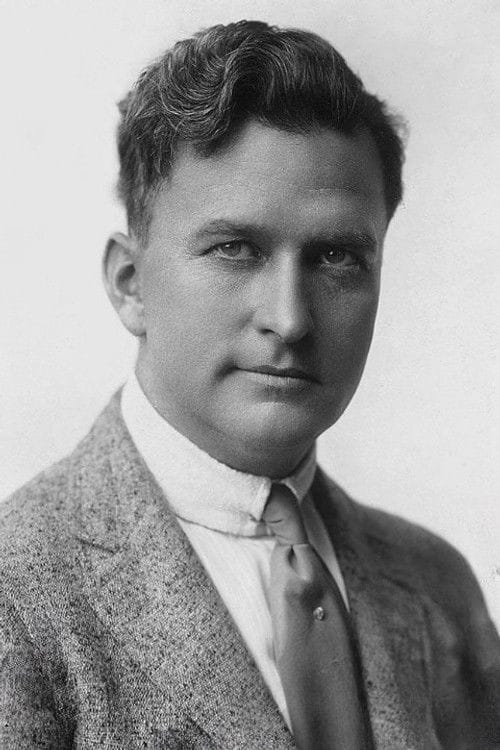
Thomas Harper Ince (November 6, 1880 – November 19, 1924) was a pivotal figure in the early development of American cinema, often hailed as the "Father of the Western" and the originator of the modern Hollywood studio system. While his life was tragically cut short, his innovations in film production, directorial style, and genre development left an indelible mark on the industry, shaping the landscape of filmmaking for decades to come. Born in Newport, Rhode Island, into a family steeped in theatrical tradition, Ince's early life was a whirlwind of stage performances and exposure to the world of entertainment. His father, John E. Ince, was a stage actor and manager, while his mother, Emma B. Ince, was also involved in the theater. This immersive environment undoubtedly fostered Thomas's passion for performance and storytelling.
From a young age, Ince displayed a natural talent for acting, appearing in various stage productions throughout his childhood and adolescence. He gained experience in both comedic and dramatic roles, honing his skills and developing a keen understanding of audience engagement. His early exposure to the discipline and artistry of the theater would later prove invaluable in his transition to the burgeoning world of motion pictures. Though his formal education was limited, Ince's practical experience in the theater and his innate entrepreneurial spirit served as his most valuable assets. He recognized the potential of the nascent film industry early on, seeing it as a medium with unprecedented reach and storytelling possibilities.
In the late 1900s, Ince made the move to New York City, where he continued to pursue his acting career, securing roles in Broadway productions and short films. This period marked a significant turning point in his career, as he became increasingly interested in the behind-the-scenes aspects of filmmaking. He observed the filmmaking process with a critical eye, analyzing the techniques employed by directors and producers, and developing his own ideas about how films could be made more efficiently and effectively. His ambitions soon shifted from acting to directing, driven by a desire to exert greater control over the creative process and to shape the future of this exciting new medium. This transition was not immediate, but fueled by his relentless work ethic and belief in his vision.
Directorial Style & Signature Techniques
Ince's most enduring contribution to filmmaking was his pioneering role in developing the "assembly-line" method of film production. Recognizing the inefficiencies and disorganization that plagued early film studios, Ince implemented a systematic approach that divided the filmmaking process into distinct stages, each overseen by specialized personnel. This streamlined system, inspired by the principles of industrial mass production, allowed for greater efficiency, reduced costs, and increased output. He essentially created the prototype for the modern Hollywood studio system, where different units within the studio would work simultaneously on various aspects of film production.
The Inceville Studio System
At his Inceville studio in California, established in 1912, Ince implemented a strict division of labor. He hired specialized directors, writers, cinematographers, and editors, each responsible for specific tasks within the production process. He himself served as the overall producer and supervisor, ensuring that all elements of the film aligned with his vision. This allowed him to oversee multiple projects simultaneously, significantly increasing the studio's output. This system of pre-production, production, and post-production became standard practice in Hollywood and remains influential today. He would often delegate directorial duties while retaining creative control, effectively acting as a showrunner or executive producer.
Pre-Production and Scripting
Ince placed a strong emphasis on pre-production, recognizing the importance of meticulous planning and preparation. He insisted on detailed scripts, storyboards, and shooting schedules, ensuring that every scene was carefully planned before filming began. This approach minimized wasted time and resources on set and allowed for greater control over the final product. His focus on the screenplay was revolutionary; Ince believed that a well-written story was the foundation of a successful film. He fostered a team of talented screenwriters and encouraged them to experiment with different genres and narrative structures.
Realism and Authenticity
Ince was also known for his commitment to realism and authenticity in his films, particularly his Westerns. He meticulously researched the historical details of the American West, ensuring that his films accurately depicted the costumes, weapons, and customs of the era. He often filmed on location, utilizing the vast landscapes of California to create a sense of authenticity and immersion. He frequently hired Native American actors as extras, bringing a level of realism to his Westerns that was unprecedented at the time. He understood the power of visual storytelling and strived to create films that were both entertaining and informative.
Major Films & Career Highlights
Ince's career was prolific, and he was involved in the production of hundreds of films, both as a director and as a producer. While many of his early works are now lost, several of his major films and career highlights stand out as testaments to his talent and innovation.
Early Directorial Efforts (1910-1912)
Ince's early directorial efforts, such as *War on the Plains* (1912) and *Custer's Last Fight* (1912), established him as a pioneer of the Western genre. These films were notable for their epic scope, realistic battle scenes, and sympathetic portrayal of Native American characters, which was a departure from the more simplistic and often prejudiced depictions prevalent in earlier Westerns. *Custer's Last Fight* was particularly ambitious, featuring hundreds of extras and meticulously recreating the historical events of the Battle of Little Bighorn. These early films showcased Ince's ability to handle large-scale productions and his commitment to historical accuracy.
The Rise of Inceville (1912-1918)
The establishment of Inceville in 1912 marked a turning point in his career. With his own studio and a dedicated team of filmmakers, Ince was able to fully realize his vision of a streamlined and efficient film production system. During this period, Ince produced and directed a string of successful Westerns, including *The Invaders* (1912) and *The Battle of Gettysburg* (1913). He also diversified into other genres, producing dramas, comedies, and adventure films. He also launched the careers of several major stars, including William S. Hart, who became synonymous with the Western hero archetype. Ince's meticulous planning and assembly-line production allowed him to release a constant stream of films, solidifying his position as a major force in the industry.
Notable Productions: *The Italian* & *Civilization*
Beyond Westerns, Ince produced significant works like *The Italian* (1915), directed by Reginald Barker, which depicted the struggles of Italian immigrants in America, showcasing social realism. This film highlighted Ince's willingness to tackle topical issues and present them in a compelling and emotionally resonant way. Another significant production was *Civilization* (1916), also directed by Barker, a powerful anti-war film released during World War I. The film's pacifist message resonated with audiences and cemented Ince's reputation as a filmmaker willing to use his platform to address important social and political issues. *Civilization* featured innovative special effects for the time and was a major box office success.
Later Career and Move to Culver City
Later in his career, Ince moved his studio to Culver City, California, continuing to produce a variety of films. Although he increasingly focused on producing rather than directing, his influence remained significant. He continued to champion new talent and experiment with different genres. His dedication to innovation and his ability to adapt to the changing landscape of the film industry ensured his continued success until his untimely death in 1924. He retained a strong hand in overseeing all aspects of his productions, ensuring that his vision was consistently reflected in the final product.
Collaborations & Influence
Ince's success was not solely his own; he collaborated with a talented group of individuals who played a crucial role in shaping his films and his studio. He fostered a collaborative environment where creativity and innovation were encouraged. His partnerships with actors, writers, and technicians were instrumental in his success.
Relationship with William S. Hart
One of his most significant collaborations was with William S. Hart, who became the quintessential Western hero under Ince's guidance. Hart's stoic demeanor, rugged appearance, and dedication to authenticity perfectly embodied the Ince Western. Together, they created a series of iconic films that defined the genre for a generation. Their partnership was built on mutual respect and a shared vision of the Western as a vehicle for exploring themes of morality, justice, and the struggle between civilization and the wilderness.
Key Collaborators: Reginald Barker & Others
Reginald Barker was another key collaborator, directing several of Ince's most important films, including *The Italian* and *Civilization*. Barker's directorial skills and his ability to bring Ince's vision to life were essential to the success of these projects. Ince also worked with a number of other talented directors, writers, and cinematographers, fostering a creative environment where ideas could be freely exchanged and developed. His ability to identify and nurture talent was a key factor in the success of Inceville and his subsequent studio ventures.
Influence on Filmmaking Practices
Ince's influence on filmmaking practices extended far beyond his own studio. His assembly-line method of production became the standard model for Hollywood studios, and his emphasis on pre-production and detailed planning revolutionized the way films were made. His commitment to realism and authenticity in his Westerns also influenced subsequent filmmakers, setting a new standard for the genre. He effectively created the blueprint for the modern film studio, demonstrating the efficiency and profitability of a structured and organized approach to filmmaking. His emphasis on the producer as a central figure in the creative process also had a lasting impact on the industry.
Awards & Recognition
While formal awards ceremonies like the Academy Awards did not exist during Ince's active years, his work was recognized through critical acclaim and box office success. His films consistently drew large audiences, and he was widely regarded as one of the most influential figures in the film industry.
Critical Acclaim and Box Office Success
Films like *Civilization* and *The Italian* received widespread critical acclaim for their social commentary and artistic merit. His Westerns were also highly praised for their realism and their portrayal of the American West. The commercial success of his films allowed Ince to continually reinvest in his studio and expand his operations. His ability to balance artistic vision with commercial viability was a key to his long-term success.
Posthumous Recognition
In the years following his death, Ince's contributions to cinema have been increasingly recognized. Film historians have lauded his innovations in film production and his role in shaping the Western genre. He is often credited with creating the modern Hollywood studio system. His legacy continues to be celebrated through retrospectives and screenings of his films. His pioneering work laid the foundation for the modern film industry and continues to inspire filmmakers today.
Cultural Impact & Legacy
Thomas H. Ince's cultural impact is undeniable. He fundamentally changed the way films were made and played a pivotal role in shaping the Hollywood we know today. His legacy extends beyond his specific films and encompasses his broader contributions to the art and business of filmmaking.
Shaping the Western Genre
Ince's contributions to the Western genre are particularly significant. He elevated the Western from a simple adventure story to a more complex and nuanced form of storytelling. His films often explored themes of morality, justice, and the clash between cultures, offering a more sophisticated and thought-provoking perspective on the American West. He also established many of the conventions and tropes that would become staples of the genre for decades to come.
The Modern Studio System
Perhaps his most enduring legacy is his role in creating the modern studio system. His assembly-line method of production, his emphasis on pre-production, and his focus on specialized roles within the filmmaking process all contributed to the development of the efficient and organized studio system that would come to dominate Hollywood. His innovations allowed for the mass production of films and the creation of a global entertainment industry.
A Lasting Influence
Thomas H. Ince died tragically at a relatively young age, but his contributions to cinema remain significant. His innovations in film production, his shaping of the Western genre, and his influence on the development of the Hollywood studio system have cemented his place as one of the most important figures in the history of American cinema. His films continue to be studied and admired, and his legacy serves as a testament to the power of innovation and the enduring appeal of the silver screen. Even today, filmmakers draw inspiration from his pioneering work and strive to emulate his dedication to quality and innovation. He remains a towering figure in the early history of Hollywood, a visionary who helped to transform a nascent industry into a global phenomenon.