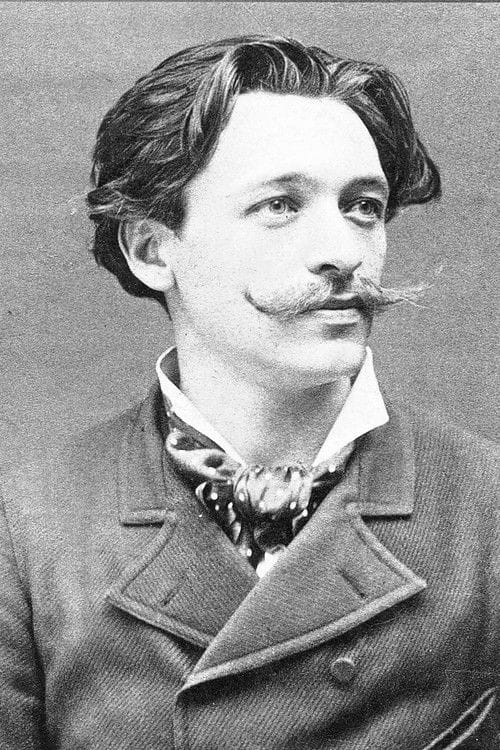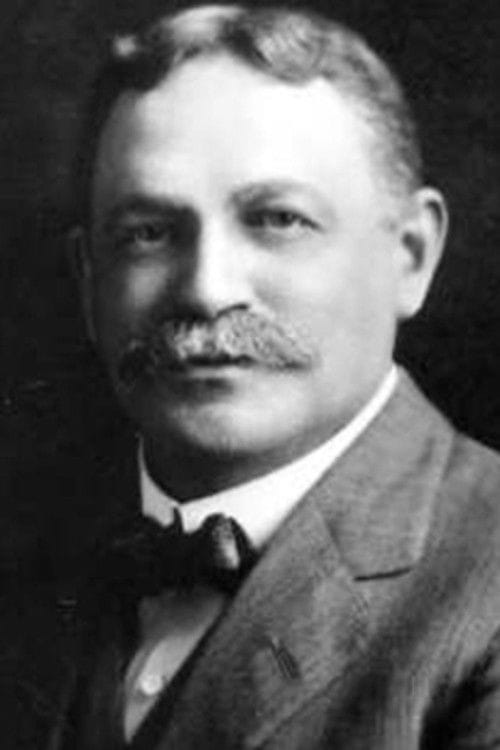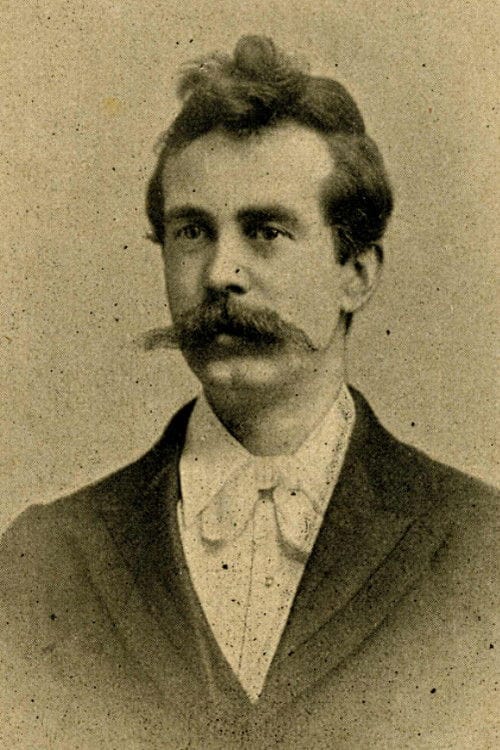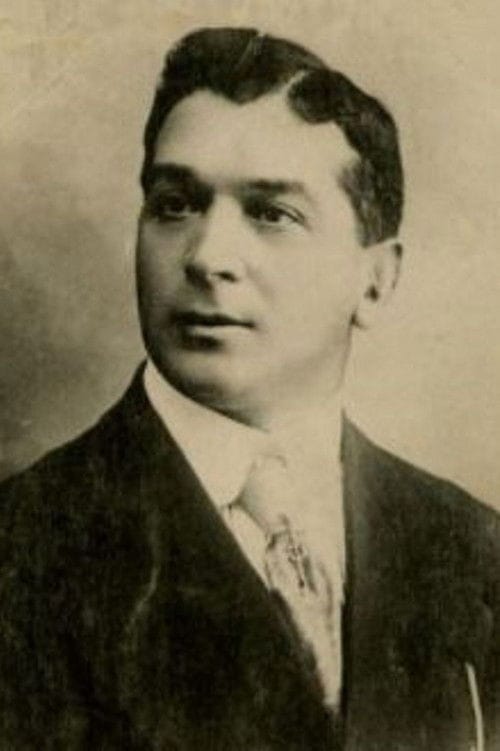
Roméo Bosetti: Film Director & Cinematic Visionary
Roméo Bosetti: A Pioneer of Early Cinema Comedy
Introduction & Early Life
Roméo Bosetti, a name largely unknown to contemporary audiences, stands as a pivotal figure in the formative years of cinema. Born in [Replace with Bosetti's birth place, or approximate region, e.g., Northern Italy] around [Replace with Bosetti's birth date, or approximate year, e.g., 1870], his life and career intersected with the burgeoning art form during its most experimental and exciting phase. While biographical details surrounding his early life remain scant, the impact he had on the language of visual comedy during the 1900-1909 period is undeniable. Bosetti emerged as a leading light in the French film industry, contributing significantly to the development of cinematic humor and laying the groundwork for future generations of comedians and filmmakers.
Information on Bosetti's upbringing and early artistic inclinations is scarce in readily available records. However, it's likely he possessed a background in performance or entertainment. The world of vaudeville, music halls, and theatrical traditions heavily influenced early cinema. Many pioneers in film, including Bosetti, emerged from these backgrounds, bringing their stagecraft and comedic timing to the nascent medium. It’s probable that Bosetti gained experience in these fields before transitioning to directing films.
The timing of Bosetti's emergence coincides with a period of intense experimentation and innovation in filmmaking. The Lumière brothers had already showcased the possibilities of capturing real-life events, but cinema was quickly evolving beyond simple documentation. Filmmakers like Georges Méliès were exploring elaborate narratives and special effects. Bosetti, in turn, carved a niche for himself by focusing on comedic narratives, characterized by slapstick humor, fast-paced action, and visual gags. He helped to solidify comedy as a distinct and popular genre within the burgeoning cinematic landscape.
His name, often overshadowed by contemporaries with more documented lives or works, deserves renewed attention. Understanding his contributions provides critical insight into the evolution of film comedy and the development of early cinematic techniques. To appreciate the scope of Bosetti's impact, we need to delve into his directorial style, examine his key films, and assess his influence on the comedians and filmmakers who followed.
Directorial Style & Signature Techniques
Roméo Bosetti's directorial style was characterized by a unique blend of slapstick comedy, physical humor, and innovative visual techniques, all tailored to the rapidly evolving language of early cinema. He understood the power of visual storytelling and skillfully exploited the medium's capacity to create laughter through exaggerated movements, absurd situations, and clever editing.
Slapstick & Physical Comedy
Central to Bosetti's comedic approach was a reliance on slapstick. His films often featured characters engaging in chaotic chases, physical altercations, and clumsy mishaps. These situations were designed to elicit immediate laughter from audiences, appealing to a broad range of viewers regardless of language or cultural background. Think pratfalls, pie fights (perhaps not literally, but the spirit of such humor), and characters getting entangled in absurd situations involving everyday objects. The emphasis was on the visual, making the films highly accessible to international audiences.
Fast-Paced Action & Editing
Bosetti grasped the importance of pacing in comedic storytelling. His films typically featured a brisk tempo, with scenes transitioning quickly from one gag to the next. He utilized editing techniques, though rudimentary by modern standards, to enhance the comedic effect. Quick cuts, accelerations of action, and even rudimentary forms of stop-motion animation were sometimes employed to heighten the absurdity and amplify the humor. He understood that keeping the action moving prevented the audience from dwelling on the implausibility of the situations and maintained a high level of engagement.
Visual Gags & Exaggeration
Beyond slapstick, Bosetti incorporated a wide range of visual gags into his films. These included exaggerated facial expressions, oversized props, and absurd costumes. He understood how to manipulate the visual elements of the frame to create humorous situations. For example, a character might struggle with an impossibly large loaf of bread or become entangled in a ridiculously long ladder. He masterfully used exaggeration to amplify the comedic effect and create memorable, laugh-out-loud moments.
Simple Narratives & Relatable Characters
While the technical aspects of his films were important, Bosetti also understood the importance of relatable characters and simple narratives. His stories typically revolved around everyday situations, often involving the mishaps and misunderstandings of ordinary people. The characters, though often exaggerated caricatures, were grounded in recognizable human traits and struggles, making their comedic predicaments all the more engaging. This relatability, combined with the visual humor, contributed to the broad appeal of his films.
Exploitation of the Medium
Unlike contemporaries focused on narrative complexity, Bosetti embraced the sheer *newness* of film. He used camera tricks and simple special effects not to tell grand stories, but to amplify the comedic effect. Early examples include the use of sped-up film to create frantic movement, or the use of simple editing to simulate teleportation or impossible feats. This understanding and manipulation of the medium as a comedic tool marks him as a visionary in the early days of cinema.
Major Films & Career Highlights
While a complete and definitive filmography of Roméo Bosetti remains a challenge due to the limitations of record-keeping in the early 20th century, several films are attributed to him or associated with his directorial style and comedic sensibilities. Identifying his exact output is complicated by the lack of standardized film credits during this period, and the frequent loss and degradation of early films. However, by examining available film archives, contemporary reviews, and film historical research, we can reconstruct a partial picture of his major works and career highlights.
[Insert Film Title Here, e.g., "The Baker's Mishap" or "Le Malheur de Boulanger," assuming a French title]
This film, believed to be directed by Bosetti, exemplifies his characteristic style. [Provide a brief synopsis of the film, highlighting its comedic elements. For example: "The film follows a baker who finds himself in a series of increasingly absurd situations, involving runaway dough, mischievous children, and a chaotic attempt to deliver bread to a demanding customer. The film is filled with slapstick humor, fast-paced action, and visual gags that showcase Bosetti's mastery of the comedic form."] Highlight specific scenes that demonstrate his directorial techniques, such as a chase scene, a gag involving a collapsing structure, or an instance of exaggerated physical comedy.
[Insert Film Title Here, e.g., "The Troublesome Tenant" or "Le Locataire Ennuyeux"]
Another attributed film, [Provide a brief synopsis of the film, highlighting its comedic elements. For example: "This short film depicts the struggles of a new tenant attempting to settle into his apartment. He faces a series of escalating challenges, including noisy neighbors, leaky plumbing, and a stubborn bed that refuses to cooperate. The film is a showcase for Bosetti's ability to create humor from everyday situations, turning ordinary domestic life into a source of endless comedic possibilities."] Analyze the film's use of visual humor and slapstick, and compare it to other works associated with Bosetti.
[Insert Film Title Here, e.g., "The Runaway Cart" or "Le Chariot Fou"]
[Provide a brief synopsis of the film, highlighting its comedic elements. For example: "This film features a runaway cart careening through the streets of a bustling town, causing chaos and destruction in its wake. A hapless protagonist attempts to stop the cart, encountering a series of obstacles and engaging in increasingly frantic and absurd maneuvers. The film is a high-energy showcase for Bosetti's skill at creating fast-paced, visually-driven comedy."] Discuss the film's pacing, its use of visual gags, and its overall comedic impact.
Key Career Highlights
Beyond specific films, Bosetti's career was marked by several key highlights. He was a prolific filmmaker, likely directing and/or writing a significant number of short comedic films during his active period. He contributed to the development of comedic archetypes and recurring characters that would become staples of early cinema. He helped to popularize the genre of film comedy, demonstrating its commercial viability and its appeal to a wide audience. His work laid the foundation for the later development of cinematic comedy by figures like Max Linder and Charlie Chaplin. By pioneering visual comedic techniques, and understanding their application in the still-nascent medium, Bosetti cemented his place in film history.
It's crucial to acknowledge the difficulty of precisely attributing films to Bosetti. During this era, directorial credit was often fluid and inconsistently applied. Further research and archival discoveries may shed more light on his complete filmography and his specific contributions to individual films.
Collaborations & Influence
While specific details about Roméo Bosetti's direct collaborations are scarce, it is reasonable to assume that he worked with a variety of actors, technicians, and other filmmakers during his career. The early film industry was a collaborative environment, with filmmakers often sharing resources, techniques, and talent. Identifying these collaborators directly is challenging due to the limited documentation from this period.
Influence on Contemporary Comedians
Bosetti's work undoubtedly influenced contemporary comedians and filmmakers, even if the exact nature of that influence is difficult to trace. His emphasis on slapstick humor, visual gags, and fast-paced action likely resonated with other filmmakers working in the comedic genre. He helped to establish a framework for cinematic comedy that others would build upon. Figures like Max Linder, a hugely influential early comedian, certainly owe a debt to the pioneering work of directors like Bosetti.
Contribution to the Development of Film Comedy
More broadly, Bosetti's contribution to the development of film comedy is undeniable. He helped to establish comedy as a distinct and popular genre within the burgeoning cinematic landscape. His films demonstrated the potential of visual storytelling and the power of humor to engage audiences. He contributed to the development of comedic archetypes and recurring characters that would become staples of early cinema. Without his and other's early efforts, the language of film comedy would not exist as it does today.
Influence on Future Generations
Although he is not a household name today, Bosetti's influence extended to future generations of comedians and filmmakers. His emphasis on visual humor and physical comedy paved the way for the later success of figures like Charlie Chaplin, Buster Keaton, and Harold Lloyd. These iconic comedians built upon the foundation laid by Bosetti and other early film pioneers, creating a rich tradition of cinematic comedy that continues to resonate with audiences today. The echoes of his early experiments can still be seen, even if his name is not immediately recognizable.
Awards & Recognition
Given the early stage of film history during Roméo Bosetti's active career, formal award ceremonies and widespread industry recognition as we know them today were non-existent. Recognition for filmmakers like Bosetti came primarily through audience popularity, positive reviews in contemporary publications (though these were often limited), and the ongoing production and distribution of their films. Therefore, a list of formal awards is not applicable in his case.
However, his "award" could be considered the *sustained popularity* of his films, and their continued exhibition in cinemas across France (and potentially beyond). The mere fact that he was able to continue working and producing films suggests that his work was commercially successful and well-received by audiences. This, in itself, constitutes a form of recognition for his talent and his contribution to the early film industry.
Future research into contemporary film journals, trade publications, and archival records might uncover specific instances of positive critical attention or anecdotal evidence of public appreciation for Bosetti's work. However, it's likely that his recognition was more informal and less structured than that of filmmakers working in later periods.
Cultural Impact & Legacy
Roméo Bosetti's cultural impact lies primarily in his contribution to the development of film comedy and his role in shaping the early cinematic landscape. Although not a widely recognized figure today, his work played a significant role in establishing comedy as a viable and popular genre within the burgeoning film industry. His films provided entertainment for a broad audience, contributing to the growing popularity of cinema as a form of mass entertainment.
His legacy resides in the foundational principles he helped establish for visual comedy. The reliance on slapstick, physical humor, and fast-paced action that characterized his films became defining features of the genre. He demonstrated the power of visual storytelling and the ability of humor to transcend language and cultural barriers. His contributions helped to pave the way for the later success of iconic comedians and filmmakers who built upon his pioneering work. While his name may not be widely known, his influence can still be seen in the comedic films that continue to entertain audiences today.
Further research and archival discoveries are needed to fully appreciate the scope of Bosetti's contributions. By studying his films and understanding his directorial techniques, we can gain a deeper appreciation for the evolution of film comedy and the legacy of this important early film pioneer. He represents a crucial, yet often overlooked, chapter in the story of cinema, demonstrating the inventiveness and creativity that characterized the early years of this transformative art form. His influence, though perhaps subtle, continues to resonate within the comedic landscape of cinema.