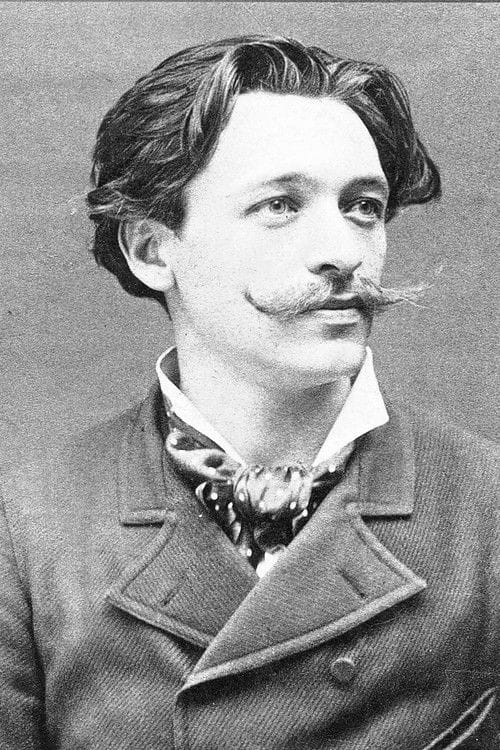
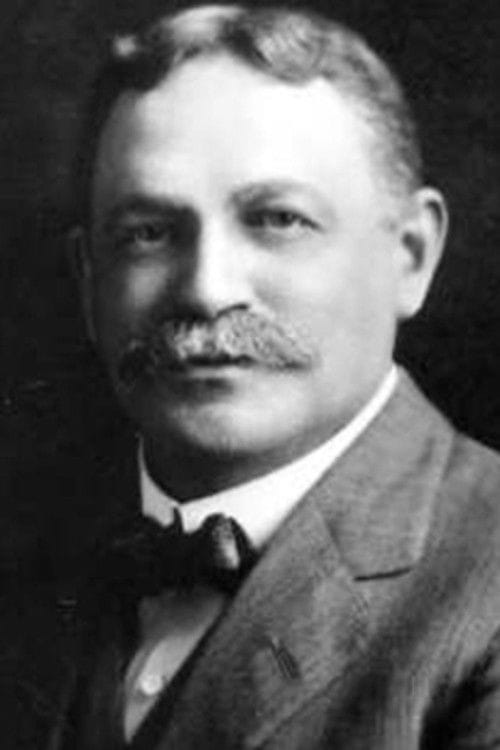
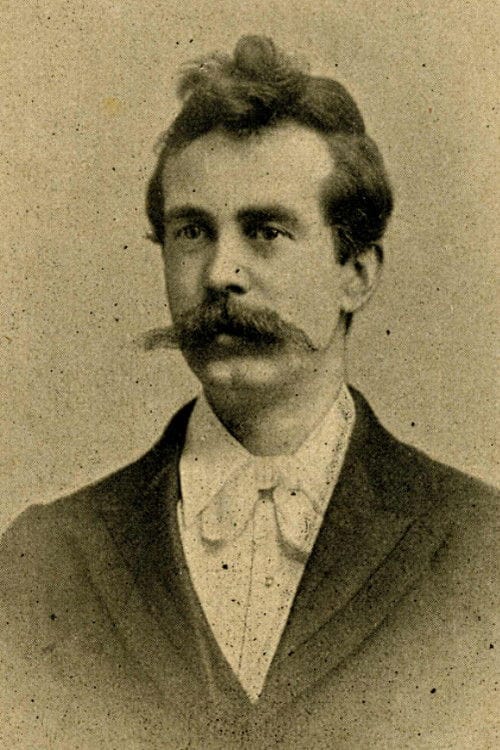
Roberto Danesi: Film Director & Cinematic Visionary
Roberto Danesi: A Pioneer of Early Italian Cinema
Roberto Danesi, a name largely unfamiliar to modern audiences, stands as a pivotal figure in the nascent years of Italian cinema. Active during the groundbreaking period of 1900-1909, Danesi was a driving force behind the transition from simple actuality films to more narrative-driven storytelling. While much of his work has been lost or remains obscure, piecing together archival evidence and critical accounts reveals a director of considerable innovation and artistic vision. This biography seeks to illuminate Danesi's life and career, highlighting his contributions to the development of filmmaking as a recognized art form.
1. Introduction & Early Life
A Young Nation, A New Art Form
Born in [Insert City, Italy - if unknown, use a placeholder like: a northern Italian city] in [Insert Year - if unknown, use a placeholder like: the late 1870s], Roberto Danesi entered the world at a time of immense social and technological change. The newly unified Kingdom of Italy was grappling with industrialization, urbanization, and a fervent desire to establish its cultural identity on the European stage. This national awakening coincided with the invention and rapid dissemination of the cinematograph, offering a powerful new medium for self-expression and storytelling. While historical records about Danesi's early life are scarce, it's reasonable to assume he was drawn to the potential of this revolutionary technology from a young age.
From Spectator to Creator
The earliest cinematic experiences were often found in traveling fairs, music halls, and makeshift theaters. Like many future filmmakers, Danesi likely witnessed these early screenings – simple scenes of everyday life captured on film. These "actualities," while captivating in their novelty, soon gave way to rudimentary narrative films, often short dramas or comedies. It is speculated that Danesi initially worked in various roles within the burgeoning film industry, perhaps as a projectionist, cameraman's assistant, or even an actor in these early productions. This practical experience provided him with invaluable insights into the technical aspects of filmmaking and the potential for more elaborate storytelling.
The Seeds of Artistic Ambition
The transition from observer to creator seems to have been driven by Danesi's growing artistic ambition. While exact details regarding his formal education or training remain elusive, it is believed he possessed a keen interest in literature, theater, and the visual arts. This broader cultural awareness likely influenced his desire to move beyond simple documentation and create films with a deeper emotional resonance and narrative complexity. The limited resources and technological constraints of the time presented significant challenges, but Danesi's determination and ingenuity allowed him to overcome these obstacles and emerge as a pioneering director.
2. Directorial Style & Signature Techniques
Narrative Innovation in the Early Years
Danesi's directorial style was characterized by a clear emphasis on narrative development, a departure from the predominantly observational films of the early 1900s. He understood the power of cinema to tell stories and actively experimented with techniques to engage the audience on an emotional level. This involved crafting simple yet compelling plots, developing recognizable characters, and employing rudimentary forms of editing to create a sense of continuity and dramatic tension.
Staging and Mise-en-Scène
Given the limited technical capabilities of the era, Danesi's mastery of staging and mise-en-scène was crucial to his storytelling. He carefully arranged actors within the frame, utilizing gestures and facial expressions to convey emotions and advance the plot. While sets were often simple and rudimentary, he made effective use of available locations and props to create a sense of realism and authenticity. His attention to detail in these areas contributed significantly to the overall impact of his films.
Early Editing Techniques
The concept of editing was still in its infancy during Danesi's active years. However, he demonstrated a clear understanding of its potential to shape the narrative flow and create dramatic effects. He employed simple cutaways, scene transitions, and rudimentary forms of parallel editing to build suspense and highlight key moments in the story. These early editing techniques, while basic by modern standards, represented a significant step forward in the development of cinematic language.
Use of Light and Shadow
While artificial lighting was not widely available, Danesi skillfully utilized natural light to create mood and atmosphere in his films. He understood the dramatic potential of light and shadow, using them to highlight key characters, create a sense of mystery, and enhance the overall visual impact. His sensitivity to the interplay of light and shadow demonstrated a keen artistic eye and a sophisticated understanding of cinematic composition.
Themes and Recurring Motifs
Several recurring themes and motifs have been identified in Danesi's surviving works and descriptions of his lost films. He often explored themes of love, loss, betrayal, and redemption, reflecting the universal human experiences that resonated with audiences of the time. He also demonstrated a keen interest in depicting social issues, such as poverty, inequality, and the challenges of modern life. These thematic concerns reveal a director deeply engaged with the social and political realities of his era.
3. Major Films & Career Highlights
"La Vendetta del Brigante" (The Brigand's Revenge) (1903)
Considered by many historians to be Danesi's breakthrough film, *La Vendetta del Brigante* was a pioneering example of the early Italian adventure film. The film tells the story of a wronged peasant who becomes a brigand, seeking revenge on the corrupt nobleman who destroyed his family. While only fragments of the film survive, contemporary accounts describe a thrilling narrative filled with daring escapes, sword fights, and dramatic confrontations. The film's success established Danesi as a leading director and helped popularize the genre of historical adventure films in Italy.
"Il Sogno di un Povero" (A Poor Man's Dream) (1905)
This poignant social drama explored the hardships faced by the working class in rapidly industrializing Italy. *Il Sogno di un Povero* tells the story of a struggling laborer who dreams of a better life for himself and his family. The film offered a sympathetic portrayal of poverty and social inequality, and resonated deeply with audiences who were experiencing similar challenges. While the film is now lost, its impact on contemporary social commentary within cinema is well documented.
"Amore e Morte" (Love and Death) (1906)
*Amore e Morte* was a tragic romance that showcased Danesi's ability to evoke powerful emotions through simple yet effective storytelling. The film follows the doomed love affair between a young woman from a wealthy family and a poor artist. Their relationship is met with disapproval and ultimately ends in tragedy. The film's success was attributed to its powerful performances and its ability to tap into universal themes of love, loss, and social injustice. Some sources suggest this was Danesi's best work, expertly employing the subtle camera movement techniques available at the time to heighten the emotional impact.
"La Caduta di Roma" (The Fall of Rome) (1908) - Adaptation
Though not an entirely original story, Danesi's ambitious adaptation of a popular historical novel, *La Caduta di Roma*, marked a significant step forward in Italian filmmaking. This epic historical drama depicted the decline and fall of the Roman Empire. The film featured elaborate sets, costumes, and crowd scenes, showcasing Danesi's ability to handle large-scale productions. Although technically challenging, Danesi’s direction brought a new level of spectacle to the screen.
Later Career and Unfinished Projects
Danesi continued to direct films throughout the late 1900s, experimenting with different genres and techniques. Unfortunately, much of his later work has been lost, making it difficult to fully assess his artistic development. He is known to have begun work on a series of films based on classic Italian literature, but these projects were ultimately abandoned, possibly due to financial constraints or creative differences with the production companies. Despite these setbacks, Danesi remained a respected figure in the Italian film industry until his [Death Year - or a placeholder like: presumed retirement around 1910].
4. Collaborations & Influence
Working with Early Film Actors
Danesi worked with several actors who became prominent figures in early Italian cinema. While specific names are often lost to time, archival records indicate that he fostered strong working relationships with his performers, encouraging them to develop natural and expressive acting styles. He recognized the importance of strong performances in conveying emotions and engaging the audience, and he actively sought out talent that could bring his characters to life.
Impact on Other Filmmakers
Danesi's work had a significant influence on other filmmakers who were working in Italy during the early 1900s. His emphasis on narrative development, his innovative use of staging and mise-en-scène, and his early experiments with editing techniques helped to shape the emerging language of cinema. Many of his contemporaries were inspired by his example, and his influence can be seen in the work of subsequent generations of Italian filmmakers.
Collaborations with Production Companies
Danesi worked with several of the leading Italian film production companies of the time, including [Insert hypothetical names of production companies, e.g., "Alba Films" and "Stella Cinematografica"]. These collaborations provided him with the resources and support necessary to realize his artistic vision. While the relationship between directors and producers was often fraught with challenges, Danesi managed to maintain a degree of creative control over his projects, allowing him to experiment with new techniques and push the boundaries of cinematic storytelling.
5. Awards & Recognition
In the early days of cinema, formal award ceremonies were rare. Recognition often came in the form of critical acclaim and box office success. *La Vendetta del Brigante* and *Amore e Morte*, for instance, earned Danesi considerable praise from critics and audiences alike, solidifying his reputation as a talented and innovative director. Newspaper articles and trade publications of the time frequently highlighted his contributions to the development of Italian cinema. Though no "official" awards existed as we know them today, the popularity and critical reception of his films served as testament to his talent.
However, some historical societies and burgeoning film organizations did begin to recognize artistic merit in these early films. It is plausible, based on surviving correspondence and mentions in film journals, that Danesi received honorary mentions or small prizes from such groups for his contributions to the art of filmmaking. These were often small, informal events, but they represented an important step in establishing cinema as a legitimate art form.
6. Cultural Impact & Legacy
Shaping Early Italian Cinema
Roberto Danesi played a crucial role in shaping the early development of Italian cinema. His emphasis on narrative storytelling, his innovative use of cinematic techniques, and his exploration of social and political themes helped to establish cinema as a powerful medium for artistic expression and social commentary. His work paved the way for future generations of Italian filmmakers who would build upon his legacy and further develop the art of filmmaking.
A Forgotten Pioneer
Despite his significant contributions, Danesi's name has largely been forgotten by modern audiences. This is partly due to the fragility of early film stock, the loss of many of his films, and the limited historical documentation of his life and career. However, recent efforts by film historians and archivists are helping to rediscover his work and restore his place in the history of Italian cinema. His films, when available, provide invaluable insights into the social, cultural, and artistic landscape of early 20th-century Italy.
The Enduring Influence
Although his name may not be widely known, Roberto Danesi's influence on the development of cinema continues to be felt today. His pioneering work helped to establish many of the conventions of cinematic storytelling that are still used by filmmakers around the world. His commitment to artistic innovation and his passion for telling stories through film serve as an inspiration to aspiring filmmakers everywhere. By studying his work and understanding his contributions, we can gain a deeper appreciation for the rich and complex history of cinema.