Reginald Barker: Film Director & Cinematic Visionary
Reginald Barker: A Forgotten Titan of Silent Cinema
Introduction & Early Life
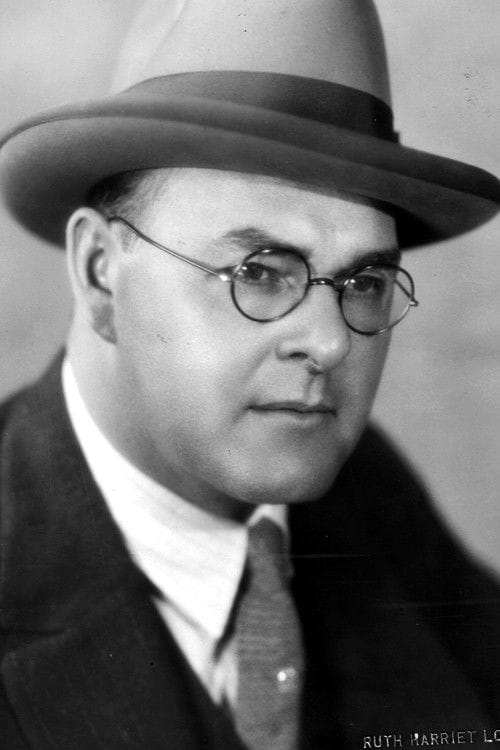
Reginald Barker, a name perhaps unfamiliar to the casual modern filmgoer, was a directorial powerhouse during the formative years of American cinema. His contribution to the evolution of filmmaking, particularly during the 1910s, is substantial and deserves renewed recognition. Born on April 2, 1886, in Winnipeg, Manitoba, Canada, Barker’s early life provided little indication of the significant role he would later play in shaping the nascent film industry. Details of his childhood and upbringing are scarce, shrouded by the mists of time and the ephemeral nature of early Hollywood publicity. Unlike many of his contemporaries who transitioned from the stage or vaudeville, Barker’s path to filmmaking seems to have been more unconventional, lacking a clear theatrical apprenticeship.
The specifics of his education and initial career aspirations remain largely undocumented. However, it's clear that Barker possessed a strong work ethic and a keen eye for storytelling, qualities that would become evident in his directorial work. The late 1900s and early 1910s were a period of rapid growth and innovation in the film industry, attracting ambitious individuals from various backgrounds. The burgeoning allure of Hollywood and the potential for creative expression likely drew Barker to the West Coast, where he began his ascent in the film world. The absence of readily available information on his early life adds to the intrigue surrounding this influential figure, making him a subject worthy of further scholarly investigation.
His arrival in Hollywood coincided with a period of immense change. The nickelodeons were transitioning into more sophisticated movie houses, and short films were giving way to longer, more elaborate narratives. It was within this dynamic environment that Reginald Barker found his calling, immersing himself in the technical and artistic aspects of filmmaking. While the exact details of his initial roles in the industry remain unclear, it is believed that he started in various behind-the-scenes capacities, gradually gaining experience and expertise before stepping into the director's chair. This practical, hands-on approach likely contributed to his comprehensive understanding of the filmmaking process, which is reflected in the assured and technically proficient nature of his subsequent work. The lack of formal training, in a way, may have been an advantage, forcing him to learn by doing and encouraging innovation.
Directorial Style & Signature Techniques
Reginald Barker distinguished himself through a directorial style that prioritized scale, spectacle, and a strong emphasis on dramatic storytelling. He was adept at handling large casts and complex narratives, creating visually impressive and emotionally resonant films. Barker wasn't necessarily an innovator of radical new cinematic techniques, but rather a master of established conventions, employing them with skill and precision to create impactful films. He possessed a particular talent for historical dramas and epic productions, showcasing his ability to manage elaborate sets, costumes, and crowd scenes effectively.
One of Barker's signature techniques was his use of visual symbolism to enhance the narrative. He frequently incorporated recurring motifs and visual metaphors to convey underlying themes and character motivations. This subtle approach added depth and complexity to his films, rewarding attentive viewers with a richer understanding of the story. Furthermore, Barker demonstrated a keen understanding of lighting and composition, utilizing these elements to create dramatic and atmospheric scenes. His films often featured striking contrasts between light and shadow, contributing to the overall mood and emotional impact.
Beyond the visual aspects, Barker also excelled at directing actors. He had a knack for eliciting powerful performances from his cast, drawing out the nuances of their characters and creating believable emotional connections. His approach to actor direction appears to have been collaborative, allowing performers to contribute their own interpretations while maintaining a clear vision for the overall performance. He understood the power of subtle gestures and facial expressions, using close-ups sparingly but effectively to capture moments of intense emotion. While not typically associated with a specific acting "school" or method, his ability to consistently deliver compelling performances from diverse casts points to a considerable skill in guiding and motivating actors.
Another hallmark of Barker's work was his commitment to historical accuracy, or at least, the perceived historical accuracy of his time. He meticulously researched the periods depicted in his films, paying close attention to details of costumes, sets, and social customs. This dedication to authenticity added a layer of realism to his historical dramas, immersing viewers in the world of the past. While modern audiences may find some aspects of these portrayals outdated or even problematic, it's important to consider them within the context of the historical knowledge and cultural sensitivities of the early 20th century.
Major Films & Career Highlights
Reginald Barker's filmography is extensive and diverse, encompassing a wide range of genres, from historical epics to contemporary dramas. However, he is best remembered for his large-scale productions that showcased his talent for visual storytelling and dramatic intensity. One of his most significant early works was "The Italian" (1915), a poignant drama that explored the challenges faced by Italian immigrants in America. This film demonstrated Barker's ability to tackle socially relevant themes with sensitivity and nuance, earning him critical acclaim and solidifying his reputation as a director of considerable talent.
Following the success of "The Italian," Barker directed a string of notable films, including "Carmen" (1915) starring Geraldine Farrar, an operatic adaptation that brought a touch of sophistication to the screen. He also directed "The Wrath of God" (1914) which established him as one of the earliest directors to recognize that movies should be as long as they needed to be, and not follow the standard length of the era. This was crucial to his epic storytelling methods.
Perhaps his most ambitious project was "Civilization" (1916), a powerful anti-war film released during World War I. "Civilization" presented a pacifist message, advocating for peace and understanding amidst the global conflict. The film was a critical and commercial success, cementing Barker's status as a major force in Hollywood. Its release during wartime was a bold move, reflecting Barker's willingness to use his platform to address pressing social and political issues. The film's powerful imagery and emotional resonance resonated with audiences, contributing to the growing anti-war sentiment in the United States.
In the late 1910s, Barker continued to direct notable films, including "The Hard Rock Kid" (1919) and "The Brand" (1919). He directed some of the biggest stars of the day, including Bessie Barriscale. While these later works may not have achieved the same level of acclaim as "Civilization," they demonstrated Barker's continued commitment to quality filmmaking and his ability to adapt to changing trends in the industry. He became known for taking risks, and his films often challenged societal norms or presented alternative perspectives.
His dedication to production values ensured his films were visually stunning for the time. He focused on the grand scale, and the intimacy of his characters. His attention to the small performances within the large spectacle is what set him apart from his contemporaries.
Collaborations & Influence
Reginald Barker worked with many prominent figures in the silent film era, forging collaborations that contributed to his success and shaped the evolution of the industry. He frequently partnered with leading actors and actresses, including Geraldine Farrar, William Desmond Taylor, and Bessie Barriscale. These collaborations allowed Barker to showcase his talent for directing actors and creating compelling on-screen performances.
His work with cinematographer Robert H. Newhard was particularly fruitful. Newhard's expertise in lighting and composition complemented Barker's visual storytelling style, resulting in films that were both visually striking and emotionally resonant. Their partnership extended over several years, producing some of Barker's most memorable works. The importance of the cinematographer in crafting the visual aesthetic of a film was becoming increasingly recognized during this period, and Barker's collaboration with Newhard highlights the growing professionalization of the film industry.
Barker's influence on other filmmakers is less directly documented, but it is evident in the way his films embraced scale and spectacle, paving the way for future generations of epic filmmakers. His commitment to social commentary also inspired other directors to use film as a medium for addressing important issues. Furthermore, Barker's success helped to solidify the growing importance of the director as a key creative figure in the filmmaking process. His ability to consistently deliver high-quality films established him as a reliable and talented director, contributing to the increasing professionalization and standardization of filmmaking practices. While his name may not be as widely recognized as some of his contemporaries, his contributions to the early development of cinematic art are undeniable.
Awards & Recognition
While formal awards ceremonies like the Academy Awards were not yet established during Reginald Barker's most prolific period, his contributions to the film industry were widely recognized by critics and audiences alike. "Civilization" (1916) received considerable acclaim for its anti-war message and its cinematic achievements. It was considered a landmark film, setting a new standard for epic filmmaking and demonstrating the power of cinema to influence public opinion.
Barker's films consistently garnered positive reviews in trade publications and newspapers, solidifying his reputation as a talented and innovative director. His ability to combine artistic vision with commercial success made him a sought-after figure in Hollywood. While he may not have received formal awards in the modern sense, his films were celebrated for their artistic merit and their impact on audiences. His recognition came in the form of positive reviews, box office success, and the respect of his peers. This form of recognition, though less formalized than modern awards, was nonetheless a significant measure of his achievements and influence within the film industry.
Cultural Impact & Legacy
Reginald Barker's cultural impact lies primarily in his contribution to the development of the cinematic language and the establishment of Hollywood as a major center for film production. His films helped to shape the tastes and expectations of audiences, paving the way for the more sophisticated storytelling techniques that would emerge in later decades. His willingness to tackle controversial topics, such as war and immigration, demonstrated the potential of film as a tool for social commentary.
Barker's legacy is also tied to the broader cultural shifts that occurred during the early 20th century. His films reflected the changing values and attitudes of American society, offering insights into the hopes, fears, and aspirations of the era. He played a crucial role in shaping the perception of Hollywood as a glamorous and exciting place, attracting talent and investment from around the world. While his name may have faded from the collective memory of casual filmgoers, his contributions to the evolution of cinema remain significant. His films offer valuable insights into the history of filmmaking and the cultural landscape of the early 20th century, making him a figure worthy of renewed study and appreciation.
Despite the decline in visibility, the work of Reginald Barker remains a valuable window into the past. He was a director of great skill and innovation, who helped shape the film industry into what it is today. It is time to reclaim this forgotten titan and bring him back into the conversation of early cinematic masters.