Raoul Barré: Film Director & Cinematic Visionary
Raoul Barré: The Pioneering Animator of the Silent Era
Raoul Barré, a name perhaps less familiar than Walt Disney or Winsor McCay, yet a giant in the early days of animation, deserves recognition for his crucial contributions to the art form. Active primarily during the vibrant and experimental period of the 1910s, Barré was a true innovator, developing techniques and establishing production processes that would lay the groundwork for the animated cartoons we enjoy today. This biography delves into the life and career of Raoul Barré, exploring his groundbreaking directorial style, key films, collaborations, and enduring legacy as a pioneer of animation.
Early Life and Artistic Beginnings
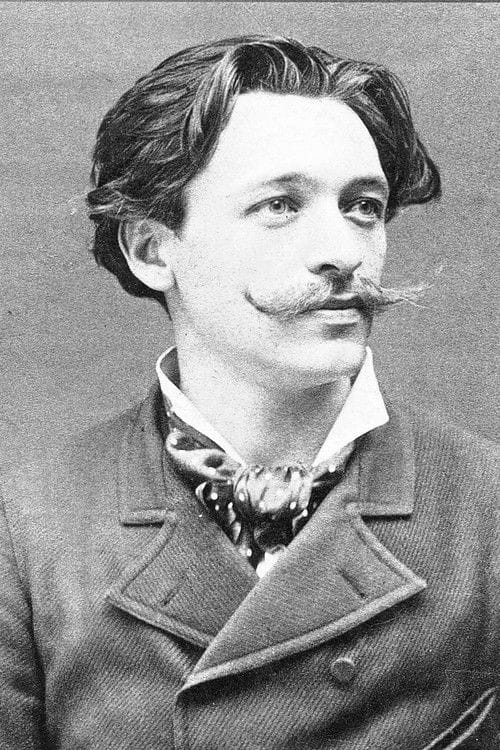
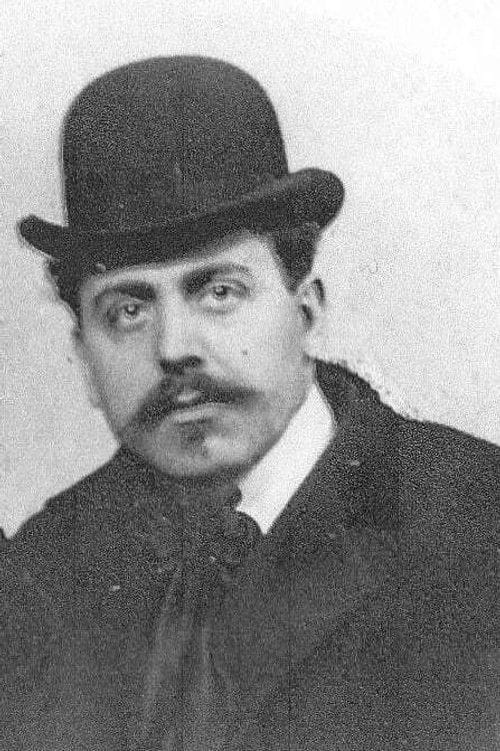
Born in Montreal, Quebec, Canada, on January 29, 1874, Raoul Barré’s path to animation was somewhat circuitous. From a young age, he displayed a talent for drawing and caricature. He formally studied art at the Académie des Beaux-Arts in Montreal, honing his skills and developing a keen eye for detail. He initially pursued a career as a political cartoonist, contributing regularly to publications like *La Patrie* and *Le Nationaliste*. His cartoons were characterized by their sharp wit, social commentary, and distinctive graphic style. This experience proved invaluable, providing him with a strong foundation in visual storytelling, character design, and the art of conveying complex ideas through simple, engaging imagery.
Before fully embracing animation, Barré dabbled in various artistic endeavors. He tried his hand at sculpture and even experimented with filmmaking, producing a few short live-action comedies. These early explorations, while not directly related to animation, instilled in him an understanding of cinematic language and the potential of moving images to capture and entertain an audience. It was this diverse artistic background, combined with his natural talent for drawing, that ultimately led him to the burgeoning field of animation.
The early 20th century was a period of intense experimentation in filmmaking, with inventors and artists alike seeking to unlock the secrets of bringing images to life. Barré, with his innovative spirit and artistic versatility, was perfectly positioned to contribute to this exciting new medium. He recognized the potential of animation to surpass the limitations of live-action film and to create worlds and characters that were entirely products of the imagination.
Directorial Style & Signature Techniques
Raoul Barré’s directorial style was characterized by a relentless pursuit of efficiency and innovation in animation techniques. He understood the inherent challenges of animating frame-by-frame and sought to streamline the process without sacrificing quality. He wasn't just an artist; he was an engineer of animation, constantly seeking better methods to bring his visions to life.
The Barré Hinge System
Perhaps Barré's most significant contribution to the field was the invention of the "Barré Hinge System," also known as the "slash system." This ingenious technique involved drawing the static background on a single sheet of paper and then animating the characters and moving elements on separate, smaller sheets of paper that were hinged to the background. When filming, only the hinged paper moved, leaving the background perfectly still. This system drastically reduced the amount of drawing required, saving time and resources. Prior to Barré’s invention, animators often had to redraw the entire scene, including the background, for each frame, making the process incredibly laborious and time-consuming.
The Barré Hinge System not only increased efficiency but also improved the overall quality of the animation. By keeping the background static, it eliminated the unwanted "jitters" that were common in early animated films. This resulted in a smoother, more professional-looking product. The system became widely adopted by other animation studios and remained a standard practice for many years, solidifying Barré's legacy as a technical innovator.
Emphasis on Gag-Based Humor
In addition to his technical innovations, Barré also developed a distinctive comedic style. His films were primarily gag-based, relying on visual humor, slapstick, and witty situations to entertain audiences. He understood the power of animation to exaggerate reality and create absurd scenarios that would be impossible to achieve in live-action film. His characters, often simple and cartoonish, were masters of physical comedy, engaging in outlandish antics and defying the laws of physics. Barré’s humor was generally lighthearted and accessible, appealing to a broad audience.
Experimentation with Visual Style
Although known for his efficiency, Barré wasn't afraid to experiment with visual styles. While his characters were often simplistic, he occasionally incorporated more detailed backgrounds and experimented with perspective and depth. He understood the importance of visual storytelling and used composition and camera angles to enhance the comedic impact of his films. His willingness to experiment and push the boundaries of the medium contributed to the evolution of animation as an art form.
Major Films & Career Highlights
Raoul Barré's career was relatively short but incredibly prolific. During his most active period, from 1913 to 1919, he produced hundreds of animated shorts, establishing himself as a leading figure in the industry. While many of these films are now lost or difficult to access, several notable examples offer insight into his creative genius.
The Mutt and Jeff Series
Perhaps Barré's most famous and commercially successful work was the *Mutt and Jeff* series. Based on the popular comic strip of the same name created by Bud Fisher, these animated shorts featured the misadventures of Mutt, a tall, lanky character, and Jeff, his short, rotund companion. Barré adapted the comic strip's characters and humor to the screen, creating a series of slapstick comedies that were immensely popular with audiences. The *Mutt and Jeff* cartoons were known for their fast-paced action, witty dialogue (through intertitles), and inventive gags. The series helped to establish the popularity of animated adaptations of comic strips and paved the way for future animated franchises.
Barré initially partnered with Charles Bowers to produce the *Mutt and Jeff* series, but their partnership eventually dissolved. Barré later continued the series on his own. The sheer volume of *Mutt and Jeff* cartoons produced during this period is a testament to Barré's efficiency and the popularity of the characters. Though attribution is often difficult due to the collaborative nature of early animation studios, many of the best *Mutt and Jeff* shorts are believed to have been directed or heavily influenced by Barré.
Early Experimental Films
Beyond the *Mutt and Jeff* series, Barré also created a number of original animated shorts that showcased his experimental spirit. These films often explored new animation techniques and pushed the boundaries of visual storytelling. While less widely known than his *Mutt and Jeff* work, these experimental films offer valuable insights into Barré's artistic vision and his commitment to innovation. Unfortunately, many of these early works are now lost, highlighting the importance of preserving and studying the history of early animation.
The Barré Studio and its Contributions
Barré established his own animation studio, Barré Studio, which played a significant role in shaping the early animation industry. The studio served as a training ground for many aspiring animators, and it helped to establish standardized production practices. Barré's emphasis on efficiency and his innovative techniques influenced the work of other studios and contributed to the growth of the animation industry as a whole. The studio's output, while largely focused on commercial productions like *Mutt and Jeff*, also fostered a spirit of experimentation and innovation that helped to advance the art form.
Collaborations & Influence
Raoul Barré's career was marked by several key collaborations that helped to shape his artistic development and expand his influence on the animation industry. He worked with other talented animators, writers, and artists, sharing ideas and techniques and contributing to a vibrant creative environment.
Charles Bowers: A Formative Partnership
As mentioned earlier, Barré partnered with Charles Bowers to produce the *Mutt and Jeff* series. Bowers, a talented animator and comedian, brought his own unique sensibilities to the project. Their collaboration was initially very successful, resulting in some of the most popular and influential animated shorts of the era. However, their partnership eventually dissolved due to creative differences and business disagreements.
Influence on Other Animators
Despite the eventual split, Barré's work had a profound influence on other animators. His Barré Hinge System, in particular, was widely adopted and adapted by studios across the industry. Animators who worked at the Barré Studio went on to have successful careers of their own, spreading his techniques and philosophy throughout the animation world. While often uncredited, the ripple effect of Barré's innovation can be seen in countless animated films produced in the years following his most active period.
Contribution to the Early Animation Industry
More broadly, Barré contributed significantly to the development of the early animation industry. His focus on efficiency and standardized production practices helped to transform animation from a niche art form into a viable commercial enterprise. He demonstrated the potential of animation to entertain a mass audience and paved the way for the larger animation studios that would emerge in the decades to come.
Awards & Recognition
While formal awards ceremonies for animation were not as prevalent during Barré's active years as they are today, his contributions were recognized within the industry and by the audiences who enjoyed his films. Although not specifically "awards," the following points are crucial to acknowledging the appreciation he received.
Popularity of the Mutt and Jeff Series
The immense popularity of the *Mutt and Jeff* series was, in itself, a form of recognition. The cartoons were widely distributed and consistently drew large audiences, demonstrating the public's appreciation for Barré's work. This commercial success helped to solidify his reputation as a leading animator and contributed to the growth of the animation industry.
Industry Recognition
Within the animation industry, Barré was highly respected for his technical innovations and his contributions to the development of standardized production practices. His peers recognized his ingenuity and his commitment to pushing the boundaries of the medium. Although not formally recognized with awards, his influence was evident in the work of other animators and studios.
Historical Significance
In more recent years, Barré's historical significance has been increasingly acknowledged by film historians and animation scholars. His contributions to the development of animation techniques and his role in shaping the early animation industry have been recognized as essential to understanding the evolution of the art form. Film archives and museums have begun to preserve and showcase his work, ensuring that his legacy will continue to be appreciated by future generations.
Cultural Impact & Legacy
Raoul Barré's cultural impact extends far beyond the technical innovations he introduced to the animation process. He helped to establish animation as a legitimate form of entertainment and contributed to the development of a visual language that continues to resonate with audiences today.
Establishing Animation as Entertainment
Barré's work, particularly the *Mutt and Jeff* series, demonstrated the potential of animation to entertain a mass audience. He proved that animated films could be commercially viable and that they could appeal to people of all ages and backgrounds. This helped to pave the way for the widespread adoption of animation as a form of entertainment.
Influence on Future Generations of Animators
Barré's technical innovations, particularly the Barré Hinge System, had a lasting influence on future generations of animators. His techniques were widely adopted and adapted by studios across the industry, helping to streamline the animation process and improve the quality of animated films. His focus on efficiency and innovation continues to inspire animators today.
Preservation and Rediscovery
The ongoing efforts to preserve and rediscover Barré's work are crucial to ensuring that his legacy will continue to be appreciated by future generations. Film archives and museums are actively seeking out and restoring his films, making them available for study and enjoyment. This renewed interest in his work is helping to solidify his place as a pioneer of animation and a key figure in the history of cinema.
In conclusion, Raoul Barré was more than just an animator; he was an inventor, a director, and a visionary who helped to shape the early animation industry. His technical innovations, his distinctive comedic style, and his unwavering commitment to experimentation have left an indelible mark on the art form. While his name may not be as widely recognized as some of his contemporaries, his contributions are undeniable, and his legacy as a pioneer of animation is secure.