Peter Elfelt: Film Director & Cinematic Visionary
Peter Elfelt: Pioneer of Danish Cinema and Royal Photographer
Introduction & Early Life
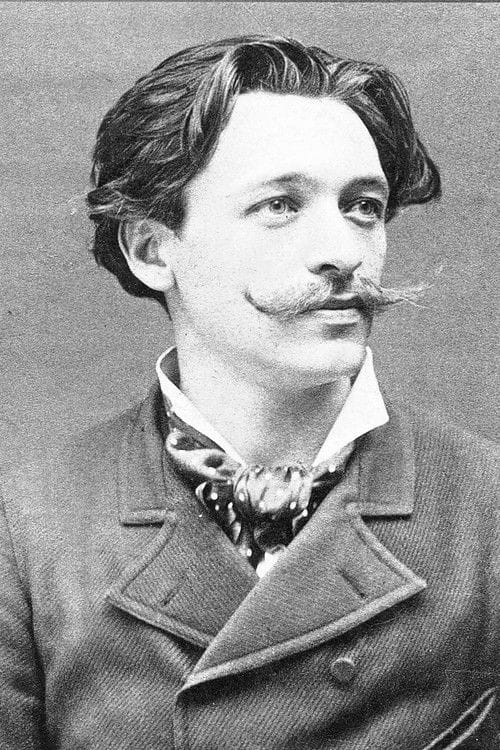
Peter Elfelt, born Peter Lars Petersen on January 1, 1866, in Elfelt, Denmark, holds a paramount position in the annals of Danish film history. Often hailed as the "father of Danish cinema," Elfelt's contributions during the nascent years of the medium, specifically between 1896 and 1909, were instrumental in establishing a cinematic identity for the nation. While initially renowned as a highly skilled royal photographer, his transition to filmmaking was a pioneering venture that captured the essence of early 20th-century Danish life and brought moving pictures to a captivated audience. Understanding Elfelt's early life and background is crucial to appreciating the context within which he embarked on his cinematic journey.
Elfelt's upbringing in the small village of Elfelt instilled in him a deep connection to the Danish countryside and its people. While details of his early education are scarce, it's evident that he possessed a sharp intellect and a keen eye for detail. His burgeoning interest in photography led him to apprentice with a local photographer, where he honed his technical skills and artistic sensibilities. This apprenticeship proved foundational, providing him with the technical expertise and compositional understanding that would later translate seamlessly into his filmmaking endeavors.
In 1893, Elfelt's career trajectory took a significant leap forward when he was appointed as a court photographer to the Danish royal family. This prestigious position not only solidified his reputation as a skilled artist but also granted him access to influential circles and resources. The royal patronage provided a stable financial foundation and allowed him to explore his creative passions, including the burgeoning field of moving pictures. It was this unique blend of artistic talent, technical expertise, and royal endorsement that ultimately propelled Elfelt into the world of filmmaking.
The late 19th century was a period of immense technological innovation, with advancements in photography paving the way for the development of motion picture technology. Inspired by the groundbreaking work of pioneers like the Lumière brothers, Elfelt recognized the immense potential of this new medium. His background as a photographer gave him a distinct advantage, as he already possessed the skills necessary to capture and manipulate images. This combination of opportunity and preparedness led him to acquire a camera and begin experimenting with moving pictures, marking the beginning of his remarkable cinematic journey.
Directorial Style & Signature Techniques
Peter Elfelt's directorial style was heavily influenced by his background as a photographer. His films are characterized by their static camerawork, carefully composed shots, and a focus on capturing the reality of everyday life. He primarily worked with simple, unadorned narratives, often documenting scenes of royal processions, street life, and everyday activities. While his early films were technically rudimentary, they possessed a unique charm and historical significance, offering a glimpse into a bygone era.
One of Elfelt's signature techniques was his use of long takes. In contrast to the rapid editing that would later become commonplace in cinema, Elfelt preferred to let the action unfold within a single, unbroken shot. This approach allowed him to capture the natural rhythm and flow of events, creating a sense of realism that resonated with audiences. His long takes also reflected the limitations of the early film technology, which made editing a cumbersome and time-consuming process.
Another defining characteristic of Elfelt's directorial style was his emphasis on authenticity. He strived to capture the world around him as accurately as possible, avoiding elaborate sets, costumes, or special effects. His films were often shot on location, using natural light and capturing the sounds of the environment. This commitment to realism gave his films a documentary-like quality, making them valuable historical records of early 20th-century Denmark.
Despite the technical limitations of the time, Elfelt was also an innovator. He experimented with different camera angles and framing techniques, exploring the possibilities of the new medium. While his films may appear simple by modern standards, they demonstrate a clear understanding of the power of visual storytelling. He understood that even a static shot could convey meaning and emotion, and he used this knowledge to create films that were both informative and engaging.
Furthermore, Elfelt's films showcased a distinctive observational quality. Rather than constructing elaborate narratives, he often chose to simply observe and document the world around him. This allowed him to capture fleeting moments of everyday life, preserving them for posterity. His films are filled with glimpses of people going about their daily routines, offering a unique window into the past. This observational approach, combined with his technical skills, solidified his position as a pioneer of Danish cinema.
Major Films & Career Highlights
Peter Elfelt's filmography, while relatively short, is packed with historically significant works that laid the foundation for Danish cinema. His first film, *Kørsel med Grønlandske Hunde* (Driving with Greenlandic Dogs), released in 1897, is considered the first Danish film ever made. This simple yet captivating short depicts a dog sled team pulling a load across a snowy landscape, showcasing the exoticism of Greenland at the time. The film's success marked the beginning of Elfelt's career as a filmmaker and helped popularize the medium in Denmark.
*Kong Christian IX's Ankomst til Toldboden* (King Christian IX's Arrival at Toldboden), also released in 1897, is another notable early work. This film documents the arrival of King Christian IX at the Copenhagen customs house. The film is significant for its depiction of royalty and its use of a relatively large crowd scene, demonstrating Elfelt's ability to capture events of public importance. Its historical value lies in its portrayal of a royal figure and the pomp and circumstance surrounding his arrival, providing a valuable glimpse into Danish society at the time.
In 1903, Elfelt directed *Henrettelsen* (The Execution), a controversial film that depicted a public execution. This film is notable for its dramatic subject matter and its attempt to explore the darker aspects of human nature. While the film was criticized by some for its graphic content, it also demonstrated Elfelt's willingness to push the boundaries of the medium and to tackle challenging subjects. The historical significance of *Henrettelsen* lies in its reflection of societal attitudes towards capital punishment and its exploration of the moral implications of violence.
Another significant film is *Dansen gaar i Rosengaarden* (The Dance in Rosengaarden), a short film from 1907 that depicts a traditional Danish folk dance. This film is important for its preservation of Danish cultural heritage and its showcasing of traditional customs. *Dansen gaar i Rosengaarden* provides a valuable record of Danish folk culture and its importance in shaping national identity. It's considered a testament to Elfelt's broader aim to capture the essence of Danish life.
Beyond these specific films, Elfelt's overall contribution to the development of Danish cinema cannot be overstated. He established the first film studio in Denmark, laying the groundwork for the industry's future growth. He also trained a new generation of filmmakers, passing on his knowledge and skills to those who would continue his work. His dedication to the medium and his pioneering spirit helped to establish a cinematic identity for Denmark, paving the way for the success of future generations of Danish filmmakers. He also documented daily life and major events, establishing an invaluable archive of early 20th-century Denmark.
Collaborations & Influence
While Peter Elfelt primarily worked independently, his career was not entirely devoid of collaborations. He occasionally worked with other photographers and technicians, drawing on their expertise to improve the quality of his films. However, his most significant collaborations were with the actors and performers who appeared in his films. While these actors were often non-professionals, their presence added a sense of authenticity and realism to his work.
Elfelt's influence on subsequent generations of Danish filmmakers is undeniable. He laid the foundation for the Danish film industry, establishing a tradition of realism and social commentary that continues to this day. His films served as a source of inspiration for later filmmakers, who built upon his work and further developed the art of Danish cinema. The impact of his pioneering spirit is felt in the nation's rich cinematic tradition.
Specifically, Elfelt's emphasis on capturing the everyday lives of ordinary people influenced the development of Danish documentary filmmaking. His films provided a template for future documentary filmmakers, who sought to document the social and political realities of Denmark. His commitment to realism and authenticity also influenced the development of Danish fiction films, which often explore themes of social realism and human drama.
It is also important to acknowledge Elfelt's role in shaping the audience's perception of cinema. By bringing moving pictures to Danish audiences, he helped to popularize the medium and to establish its place in Danish culture. His films were often shown in theaters, at public events, and even in people's homes, helping to make cinema a central part of Danish social life.
Awards & Recognition
During his active years, Peter Elfelt did not receive major awards in the modern sense, as film festivals and formal award ceremonies were not yet established. However, his recognition came primarily from his position as royal photographer and the popular acclaim his films garnered. His appointment as a court photographer was in itself a significant honor, signifying his standing within Danish society.
In later years, particularly after his death in 1931, Elfelt's contribution to Danish cinema was increasingly recognized. Film historians and critics began to appreciate the historical significance of his work, highlighting his pioneering role in establishing the Danish film industry. His films were restored and screened at film festivals, introducing his work to a new generation of audiences.
Today, Elfelt is widely regarded as a national treasure in Denmark. His films are preserved in the Danish Film Institute archives, and they are regularly screened at film festivals and museums. He is also the subject of numerous books and articles, which explore his life, work, and legacy. The enduring interest in his work reflects the profound impact he had on the development of Danish cinema.
Cultural Impact & Legacy
Peter Elfelt's cultural impact extends far beyond the realm of cinema. His films provide a valuable historical record of early 20th-century Denmark, capturing the customs, traditions, and social realities of the time. His work offers a glimpse into a bygone era, allowing contemporary audiences to connect with the past and to gain a deeper understanding of Danish history and culture.
Elfelt's legacy as the "father of Danish cinema" is secure. He established the foundation for the Danish film industry, laying the groundwork for the success of future generations of filmmakers. His pioneering spirit, his commitment to realism, and his dedication to documenting Danish life have all had a lasting impact on the development of Danish cinema. He inspired countless artists and paved the way for Denmark's rich and vibrant cinematic tradition.
Furthermore, Elfelt's work continues to resonate with contemporary audiences. His films are not just historical artifacts; they are also works of art that can be appreciated for their aesthetic qualities and their insights into the human condition. His films remind us of the power of cinema to capture and preserve moments in time, and to connect us with the past in meaningful ways. Peter Elfelt's contribution ensures he will forever be remembered as a key figure in the history of Danish culture.