Oscar Micheaux: Film Director & Cinematic Visionary
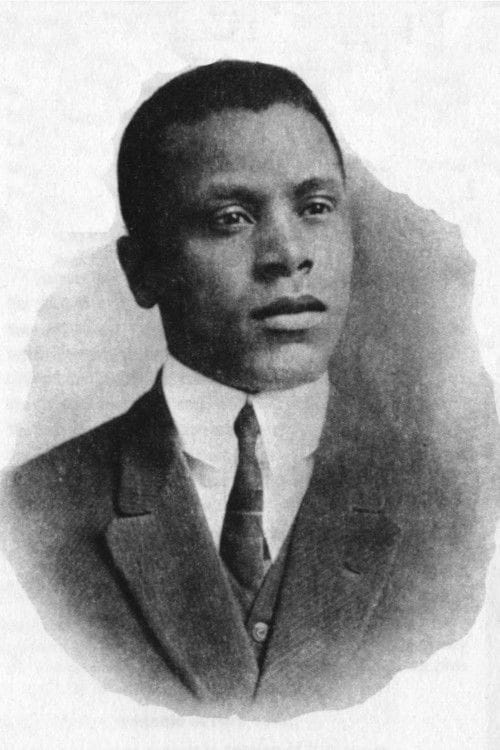
Oscar Micheaux: Pioneering African American Filmmaker and Cinematic Visionary
Oscar Micheaux stands as a monumental figure in the history of American cinema. More than just a filmmaker, he was a pioneering entrepreneur, novelist, and independent producer who challenged the racial stereotypes rampant in early 20th-century Hollywood. Operating outside the established studio system, Micheaux created a unique body of work that portrayed African American life with nuance and complexity, offering a counter-narrative to the derogatory images prevalent in mainstream cinema. His films, often made with limited resources, served as vital platforms for Black actors and addressed critical social issues, paving the way for future generations of Black filmmakers and actors.
1. Introduction & Early Life
A Life Forged in Self-Reliance
Born on January 2, 1884, in Metropolis, Illinois, Oscar Devereaux Micheaux was the eleventh of thirteen children born to Swan and Belle Micheaux. His father, a former slave, instilled in him a strong work ethic and a deep-seated belief in self-reliance – values that would define Micheaux's life and career. The family eventually moved to a predominantly white farming community in South Dakota, where Micheaux experienced both the challenges and opportunities of rural life. He learned to navigate a world marked by racial prejudice, but also developed a keen understanding of the human condition.
From Homesteader to Author
Micheaux's early adulthood was marked by a spirit of adventure and entrepreneurial drive. He worked as a bootblack, a Pullman porter, and eventually became a homesteader in South Dakota. This experience proved transformative, providing him with the raw material for his first novel, "The Conquest: The Story of a Negro Pioneer" (1913), a semi-autobiographical account of his struggles and triumphs as a Black farmer in the West. The novel, self-published and sold door-to-door, established Micheaux as a writer and laid the foundation for his foray into filmmaking. Dissatisfied with a film adaptation of his novel that was proposed but then sidelined by a white production company who he felt were misinterpreting his vision, Micheaux decided to take matters into his own hands.
The Call to Cinema
Seeing the potential of cinema to reach a wider audience and control his own narrative, Micheaux embarked on a filmmaking career. He understood the power of visual storytelling and the urgent need for positive and authentic portrayals of African Americans on screen. This ambition, coupled with his relentless determination, led him to establish his own production company, the Micheaux Film Corporation, in 1918. It was a daring move, considering the financial and logistical challenges of independent filmmaking at the time, particularly for a Black filmmaker. Yet, Micheaux persevered, driven by a desire to challenge racial stereotypes and tell stories that reflected the realities of Black life in America.
2. Directorial Style & Signature Techniques
Independent Spirit and Resourceful Filmmaking
Oscar Micheaux's directorial style was largely defined by his independence and the constraints he faced as an independent Black filmmaker. Working outside the Hollywood studio system, he operated on shoestring budgets and relied on resourceful techniques to bring his visions to life. He was a true auteur, often serving as writer, director, producer, and distributor of his films. This hands-on approach allowed him to maintain complete creative control over his projects, ensuring that his stories remained authentic and unfiltered.
Addressing Social Issues Head-On
Micheaux's films tackled controversial social issues head-on, including racial discrimination, lynching, economic exploitation, and the complexities of identity within the African American community. He didn't shy away from depicting the harsh realities of racial prejudice, but also explored the triumphs and aspirations of Black individuals. His narratives often featured strong Black characters who defied stereotypes and challenged the prevailing racist narratives of the time. He explored themes of passing, intra-racial prejudice, and the challenges of assimilation, offering a nuanced and multifaceted portrayal of Black experiences.
Naturalistic Performances and Authenticity
One of Micheaux's signature techniques was his emphasis on naturalistic performances. He often cast non-professional actors or individuals with limited acting experience, preferring to prioritize authenticity over polished performances. This approach gave his films a raw and unvarnished quality, reflecting the real lives and experiences of the characters he portrayed. While some critics found fault with the technical aspects of his films, the emotional resonance and authenticity of the performances resonated deeply with Black audiences. He focused on capturing the essence of Black life, from the vibrant music and dance to the everyday struggles and triumphs of ordinary people.
Utilizing Intertitles for Narrative Clarity
Given the technological limitations of the silent film era and his own limited resources, Micheaux frequently relied on intertitles to convey crucial plot information, character motivations, and dialogue. These intertitles, often lengthy and informative, served as a vital tool for clarifying the narrative and ensuring that audiences understood the complex social and political themes explored in his films. While they might seem clunky by modern standards, they were an essential part of Micheaux's storytelling arsenal.
3. Major Films & Career Highlights
*The Homesteader* (1919): A Groundbreaking Debut
*The Homesteader*, released in 1919, marked Oscar Micheaux's directorial debut and is considered a landmark film in African American cinema. Based on his novel *The Conquest*, the film tells the story of a Black homesteader in South Dakota who faces prejudice and adversity while striving to build a life for himself and his community. The film, though now lost to time, was a critical and commercial success, establishing Micheaux as a major force in independent filmmaking. It resonated deeply with Black audiences who were eager to see themselves represented on screen in a positive and empowering light. The success of *The Homesteader* provided Micheaux with the financial resources and momentum to continue producing and directing films.
*Within Our Gates* (1920): Responding to Racism
Perhaps Micheaux's most famous and controversial film, *Within Our Gates* (1920), was a direct response to D.W. Griffith's *Birth of a Nation* (1915), a film widely criticized for its racist portrayal of African Americans. *Within Our Gates* tells the story of Sylvia Landry, a young Black woman who travels North to raise money for a Black school in the South. The film unflinchingly depicts the horrors of racial violence, including a graphic scene of a lynching, and explores the complexities of race relations in America. *Within Our Gates* was groundbreaking for its time, offering a powerful counter-narrative to the racist stereotypes perpetuated by mainstream cinema. It sparked controversy and was censored in some cities, but it also solidified Micheaux's reputation as a fearless and uncompromising filmmaker.
*Symbol of the Unconquered* (1920): Challenging the Klan
Released in the same year as *Within Our Gates*, *Symbol of the Unconquered* (1920) continued Micheaux's exploration of racial injustice and the struggles of African Americans. The film tells the story of a Black woman who inherits a plantation in the South and faces opposition from racist white landowners and the Ku Klux Klan. *Symbol of the Unconquered* challenged the Klan's narrative of white supremacy and celebrated the resilience and determination of Black people in the face of adversity. Like many of Micheaux's early films, *Symbol of the Unconquered* is now considered lost.
Transition to Sound and Continued Production
Micheaux successfully transitioned to sound filmmaking in the late 1920s and continued to produce and direct films well into the 1940s. His later works, such as *God's Step Children* (1938) and *The Betrayal* (1948), explored complex themes of identity, class, and religion within the African American community. While his later films were often criticized for their low production values and uneven performances, they remained committed to portraying Black life with authenticity and nuance. Micheaux remained fiercely independent throughout his career, resisting the pressures of the Hollywood studio system and continuing to tell stories that he believed were important.
4. Collaborations & Influence
Working with Black Actors and Actresses
Oscar Micheaux provided invaluable opportunities for Black actors and actresses to showcase their talents at a time when they were largely excluded from mainstream Hollywood. He gave many performers their first break, including Evelyn Preer, who became one of the leading ladies of the Micheaux Film Corporation. By creating roles for Black actors and actresses, Micheaux helped to break down racial barriers in the film industry and paved the way for future generations of Black performers. He fostered a collaborative environment on his sets, encouraging actors to contribute to the creative process and bring their own experiences to their roles.
Independent Production and Distribution
Micheaux's influence extends beyond his work as a director. He was a pioneer of independent film production and distribution, developing his own system for financing, producing, and distributing his films. He traveled extensively throughout the country, screening his films in Black theaters, churches, and community centers, building a loyal audience and ensuring that his films reached the people they were intended to serve. His independent approach provided a model for other Black filmmakers and entrepreneurs who sought to create their own opportunities in the film industry.
Influencing Future Generations
Oscar Micheaux's legacy continues to inspire filmmakers and artists today. His groundbreaking work challenged racial stereotypes, provided opportunities for Black actors and actresses, and paved the way for a more inclusive and diverse film industry. Contemporary filmmakers such as Spike Lee, Ava DuVernay, and Tyler Perry have acknowledged Micheaux's influence on their work, recognizing him as a visionary who defied the odds and created a lasting legacy.
5. Awards & Recognition
Recognition During His Lifetime
While Oscar Micheaux did not receive widespread recognition from the mainstream film industry during his lifetime, his films were highly valued and celebrated within the African American community. He received numerous awards and accolades from Black organizations and publications for his contributions to Black culture and entertainment. His films were screened at prestigious Black theaters and community centers across the country, drawing large crowds and generating significant buzz.
Posthumous Honors and Awards
In recent years, Oscar Micheaux has received increasing recognition for his pioneering work. He has been the subject of numerous documentaries, biographies, and academic studies, and his films have been restored and screened at film festivals around the world. In 1986, the Directors Guild of America presented Micheaux with a posthumous D.W. Griffith Award (later renamed the Lifetime Achievement Award) in recognition of his groundbreaking contributions to filmmaking. His legacy is now widely celebrated as a crucial part of American film history. A star on the Hollywood Walk of Fame was dedicated to Micheaux in 1987. His work has been preserved by institutions like the Library of Congress, ensuring its accessibility for future generations.
6. Cultural Impact & Legacy
Challenging Racial Stereotypes in Cinema
Oscar Micheaux's most significant cultural impact lies in his relentless challenge to racial stereotypes in cinema. At a time when Hollywood was dominated by racist depictions of African Americans, Micheaux offered a counter-narrative that celebrated Black life, culture, and resilience. His films presented complex and nuanced portrayals of Black characters, defying the simplistic and often demeaning stereotypes that were prevalent in mainstream cinema. He addressed sensitive and controversial issues, such as racial discrimination, lynching, and economic exploitation, sparking dialogue and challenging the status quo.
Empowering Black Audiences and Creating Representation
Micheaux's films were a source of empowerment for Black audiences who rarely saw themselves represented on screen in a positive or authentic light. His films provided a sense of validation and affirmation, celebrating Black culture and identity. By creating opportunities for Black actors and actresses, Micheaux helped to break down racial barriers in the film industry and paved the way for future generations of Black performers. He understood the importance of representation and the power of cinema to shape perceptions and challenge prejudices.
A Pioneer of Independent Black Filmmaking
Oscar Micheaux's legacy extends beyond his individual films. He was a pioneer of independent Black filmmaking, demonstrating that it was possible to create and distribute films outside the Hollywood studio system. His entrepreneurial spirit, resourcefulness, and unwavering commitment to his vision served as an inspiration to other Black filmmakers who followed in his footsteps. He left behind a body of work that continues to resonate with audiences today, reminding us of the importance of diversity, representation, and the power of cinema to effect social change. He demonstrated the importance of Black-owned and operated media in controlling the narrative about the Black community.