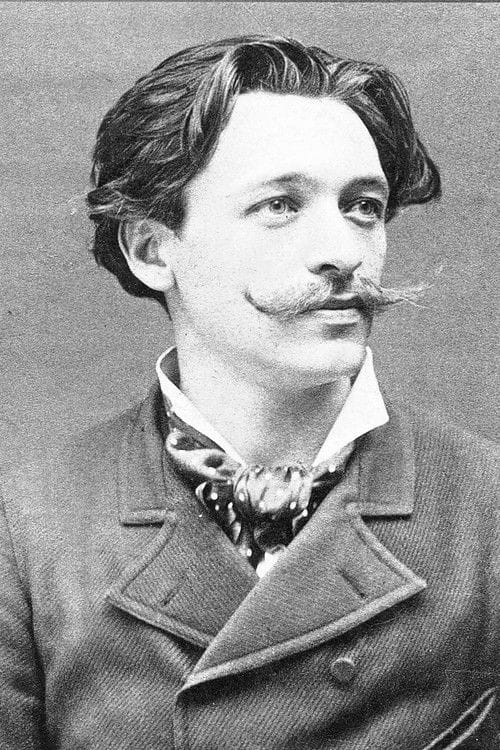
Max Linder (actor/director - early comedies): Film Director & Cinematic Visionary
Max Linder: The Elegant Pioneer of Silent Comedy
Before Charlie Chaplin's Little Tramp captivated the world, there was Max Linder, a dapper Frenchman who pioneered a sophisticated brand of silent comedy. A true auteur of the early film era, Linder was not just an actor; he was a writer, director, and producer who single-handedly crafted a persona that resonated deeply with audiences worldwide. Often cited as Chaplin's direct inspiration, Linder's influence on cinematic comedy is undeniable, though his name is less familiar to modern audiences. This biography seeks to illuminate the life and career of Max Linder, a vital figure in the development of film as an art form and a comedic medium.
Early Life and Theatrical Beginnings
Born Gabriel-Maximilien Leuvielle on December 16, 1883, in Saint-Loubès, near Bordeaux, France, Linder's path to the silver screen began on the stage. From a young age, he displayed a natural talent for performance and possessed an undeniable charisma. He pursued his passion for acting, honing his skills in various provincial theaters before joining the Théâtre des Variétés in Bordeaux. This early experience provided him with a solid foundation in comedic timing, physical humor, and character development – all crucial elements that would later define his film work.
The transition from stage to screen occurred relatively quickly for Linder. In 1905, he secured a role with Pathé Frères, the dominant force in early French cinema. Initially, he took on a variety of roles, both dramatic and comedic, showcasing his versatility as a performer. However, it was his natural inclination towards comedy, coupled with his innate understanding of visual storytelling, that ultimately shaped his destiny.
It wasn't long before Linder began to exert more control over his work, writing and directing his own films. This marked a pivotal moment in his career, allowing him to fully develop his comedic vision and create the iconic character that would make him a global star.
Directorial Style & Signature Techniques
Max Linder's directorial style was characterized by its elegance, wit, and sophisticated understanding of comedic timing. Unlike the broad, slapstick humor that often defined early cinema, Linder's comedy was more nuanced, relying on clever situations, character-driven humor, and a touch of social satire. He was a master of the visual gag, using physical comedy and carefully crafted scenarios to elicit laughter from his audience.
The Creation of "Max"
Linder's most enduring creation was his onscreen persona, "Max," a charming, well-dressed gentleman who consistently found himself in comical, often embarrassing, situations. Max was a departure from the stereotypical comedic figures of the time. He wasn't a buffoon or a simpleton; instead, he was a sophisticated man-about-town, impeccably dressed in a top hat, frock coat, and spats. This elegant attire, combined with his impeccable manners (which he often abandoned in moments of panic or frustration), created a delightful contrast that fueled much of the comedy.
Visual Storytelling & Physical Comedy
Linder understood the power of visual storytelling, particularly in the silent era. He used carefully composed shots, precise editing, and expressive performances to convey meaning and humor without relying on dialogue. His films were filled with expertly choreographed physical comedy, ranging from subtle gestures and facial expressions to elaborate pratfalls and chases. He had a remarkable ability to transform ordinary situations into comedic masterpieces, using everyday objects and settings as the basis for inventive gags.
Social Satire & Character-Driven Humor
While Linder's films were primarily comedies, they also contained subtle elements of social satire. He often poked fun at the foibles of the upper class, exposing their vanity, hypocrisy, and absurdity through the actions of his character, Max. However, the satire was always gentle and good-natured, never crossing the line into outright condemnation. Much of the humor stemmed from the character of Max himself, his struggles to maintain his composure and dignity in the face of increasingly absurd situations. His reactions were always relatable, allowing the audience to empathize with his plight, even as they laughed at his misfortune.
Innovation in Filmmaking Techniques
Beyond his comedic genius, Linder was also an innovator in filmmaking techniques. He experimented with camera angles, editing techniques, and special effects to enhance the comedic impact of his films. He was one of the first filmmakers to utilize close-ups effectively, using them to emphasize Max's facial expressions and reactions. He also employed fast-motion and stop-motion animation to create surreal and comedic effects, pushing the boundaries of what was possible in early cinema.
Major Films & Career Highlights
Max Linder's filmography is extensive, comprising hundreds of short films and several feature-length productions. While many of these films are now lost or difficult to access, several key works stand out as testaments to his comedic genius and directorial prowess.
Early Pathé Shorts (1905-1910)
During his tenure at Pathé Frères, Linder produced a prolific body of work, churning out numerous short comedies each year. While the exact number of films he made during this period is unknown, estimates range from several hundred to over five hundred. These early shorts established his "Max" character and showcased his talent for physical comedy and visual storytelling. Some notable examples include films featuring Max as a mischievous prankster, a hapless lover, or a bumbling detective. These films, though often simple in their plots, were remarkably effective in their humor and demonstrated Linder's mastery of the comedic form.
The Skater (1907)
This early short showcases Linder's talent for physical comedy. Max attempts to impress a woman with his skating skills, but his efforts are repeatedly thwarted by his own clumsiness and the antics of other skaters. The film is a classic example of slapstick comedy, but it also demonstrates Linder's ability to create humor through character-driven situations.
Max Learns to Box (1911)
A popular film that highlights Max's attempts to learn how to box, with predictably chaotic results. The film showcases Linder's physical dexterity and his ability to create comedic tension through anticipation. The gags are cleverly executed, and the film as a whole is a delightful example of Linder's early work.
Max Linder's Visit to America (1917)
This feature-length film marked Linder's attempt to break into the American film market. While the film was not a major commercial success, it demonstrated Linder's ambition and his desire to reach a wider audience. The film follows Max's misadventures in America, as he encounters various cultural differences and comedic situations. Although not considered his best work, it is a valuable historical document, offering insights into Linder's perspective on American culture and his attempts to adapt his comedic style to a new audience.
Seven Years Bad Luck (1921)
Considered by many to be Linder's masterpiece, Seven Years Bad Luck is a brilliantly conceived and executed comedy about a man who accidentally breaks a mirror and suffers the consequences. The film is filled with inventive gags, clever visual effects, and Linder's signature blend of physical comedy and social satire. The film is a testament to Linder's genius and remains a classic of silent comedy.
The Three Must-Get-Theres (1922)
A parody of The Three Musketeers, this film showcases Linder's ability to adapt classic stories to his comedic style. The film is filled with slapstick humor, witty dialogue (through intertitles), and Linder's signature charm. While not as critically acclaimed as Seven Years Bad Luck, it is a highly entertaining film that demonstrates Linder's versatility as a comedian and filmmaker.
Collaborations & Influence
Max Linder's influence on other comedians and filmmakers is undeniable, though often underappreciated. He collaborated with numerous actors and technicians throughout his career, helping to shape the early French film industry. However, his most significant influence lies in the inspiration he provided to future generations of comedic artists, most notably Charlie Chaplin.
Charlie Chaplin: The Acknowledged Heir
Charlie Chaplin openly acknowledged Linder as his mentor and inspiration. He stated on many occasions that he had studied Linder's films extensively, learning from his comedic timing, physical comedy, and character development. The similarities between Linder's "Max" character and Chaplin's Little Tramp are striking, particularly in their elegant attire, their comedic struggles with social conventions, and their ability to elicit both laughter and empathy from the audience. Chaplin's success undoubtedly built upon the foundation laid by Linder, solidifying Linder's place in film history as a crucial figure in the development of screen comedy.
Other Influenced Comedians
Beyond Chaplin, Linder's influence can be seen in the work of other comedians, including Buster Keaton and Harold Lloyd. His emphasis on physical comedy, character-driven humor, and visual storytelling resonated with these artists, who developed their own unique styles while building upon Linder's innovations. The legacy of Max Linder can be traced through the subsequent generations of comedic filmmakers, demonstrating the lasting impact of his pioneering work.
Collaborations within the French Film Industry
Linder also collaborated with numerous actors and technicians within the burgeoning French film industry. While specific details about these collaborations are often scarce due to the limited documentation of early cinema, it is clear that Linder played a significant role in shaping the industry and fostering a culture of creativity and innovation. His work helped to establish France as a major center for film production and contributed to the development of a distinct French cinematic style.
Awards & Recognition
While the concept of formal film awards was not yet established during the height of Linder's career, his work received widespread critical acclaim and popular recognition. He was celebrated for his comedic genius, his directorial skills, and his innovative contributions to the art of filmmaking.
Contemporary Critical Acclaim
Contemporary reviews of Linder's films often praised his originality, his wit, and his ability to create humor that was both sophisticated and accessible. Critics recognized his talent for physical comedy, his understanding of visual storytelling, and his ability to connect with audiences on an emotional level. He was hailed as a major talent and a pioneer of silent cinema.
Popular Success & International Fame
Linder's films were hugely popular with audiences around the world. He became an international star, with his films being screened in theaters across Europe, America, and beyond. His "Max" character resonated with viewers of all ages and backgrounds, making him one of the most recognizable and beloved figures in early cinema. His popularity helped to solidify the appeal of silent comedy and paved the way for future generations of comedic filmmakers.
Posthumous Recognition
In recent years, there has been a renewed interest in Linder's work, with film historians and critics recognizing his importance as a pioneer of silent comedy. His films have been restored and re-released, allowing modern audiences to appreciate his comedic genius. He has been the subject of documentaries and scholarly articles, further cementing his place in film history. While formal awards may have eluded him during his lifetime, his legacy as a groundbreaking comedian and filmmaker is now widely recognized and celebrated.
Cultural Impact & Legacy
Max Linder's cultural impact extends far beyond his immediate success as a comedian. He helped to shape the development of film as an art form, influencing countless filmmakers and comedians who followed in his footsteps. His work continues to be studied and appreciated by film scholars and enthusiasts, ensuring that his legacy will endure for generations to come.
Shaping the Language of Silent Comedy
Linder's contributions to the language of silent comedy are undeniable. He established many of the conventions and techniques that would later be adopted and refined by other comedians, including Charlie Chaplin, Buster Keaton, and Harold Lloyd. His emphasis on physical comedy, character-driven humor, and visual storytelling helped to define the genre and establish its enduring appeal.
A Pioneer of Auteur Cinema
Linder was one of the first filmmakers to exert complete control over his work, writing, directing, and starring in his own films. This made him a pioneer of auteur cinema, a movement that emphasizes the director as the primary creative force behind a film. His dedication to his artistic vision helped to elevate film to the status of an art form and paved the way for future generations of auteur filmmakers.
An Enduring Influence on Filmmakers
While Max Linder's name may not be as widely known as some of his contemporaries, his influence on filmmakers is undeniable. He is a crucial figure in the history of cinema, a pioneer who helped to shape the art of filmmaking and define the genre of silent comedy. His work continues to inspire and entertain audiences around the world, ensuring that his legacy will endure for generations to come. His elegant persona, clever gags, and sophisticated understanding of comedic timing continue to resonate with viewers, cementing his place as a true master of the silent screen.