Mauritz Stiller: Film Director & Cinematic Visionary
Mauritz Stiller: The Pioneer of Swedish Cinema & Hollywood Hope
Introduction & Early Life: From Imperial Russia to Swedish Film Royalty
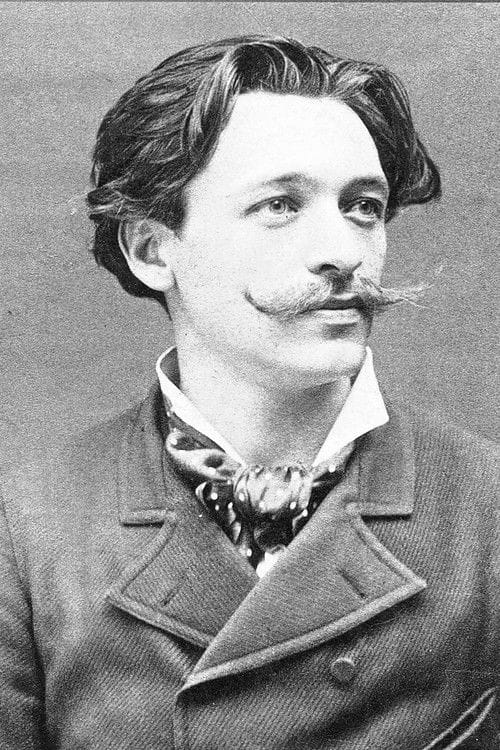
Mauritz Stiller, born Moshe Stiller on July 17, 1883, in Helsinki, then part of the Russian Empire, stands as a titan of early cinema, particularly renowned for his pivotal role in shaping the Golden Age of Swedish silent film. His journey, fraught with personal tragedy and artistic ambition, culminated in a brief but impactful stint in Hollywood, leaving an indelible mark on the development of cinematic language and narrative. Understanding Stiller's early life provides crucial context for appreciating the innovative and emotionally resonant films he would later create.
Stiller's early years were marked by profound loss. His mother committed suicide when he was just four years old, a trauma that undoubtedly shaped his sensitivity and understanding of human emotions, qualities readily apparent in his films. Details of his upbringing remain somewhat fragmented, shrouded in the mists of time and Stiller's own penchant for embellishing his personal narrative. It is known that he was raised in a Jewish household and displayed an early aptitude for the arts, showing a keen interest in theater and acting. He began his theatrical career in Helsinki, honing his skills as a performer and developing a deep understanding of stagecraft, which would later prove invaluable in his transition to filmmaking.
Driven by a restless spirit and a desire for creative expression, Stiller moved to Sweden around 1911. This relocation proved to be a turning point in his life. Sweden, at the time, was experiencing a cultural renaissance, and the nascent film industry was beginning to flourish, attracting talent from across Europe. Stiller's arrival coincided with this burgeoning cinematic landscape, offering him the opportunity to translate his theatrical experience into the new medium of film. He quickly found work as an actor and scriptwriter, absorbing the technical aspects of filmmaking and developing his own distinctive vision.
His early work in Swedish cinema was crucial in establishing his credentials. While not initially directing, these formative experiences provided him with a valuable foundation in all aspects of production, from cinematography to editing. He learned the nuances of visual storytelling, the power of camera angles, and the importance of pacing. This hands-on experience, coupled with his inherent artistic sensibility, would soon propel him to the director's chair, where he would begin to craft some of the most enduring and influential films of the silent era. The tragedy of his early life, combined with his drive to perform, ultimately shaped him into the innovative director he would become.
Directorial Style & Signature Techniques: A Master of Visual Storytelling
Mauritz Stiller's directorial style was characterized by its visual sophistication, nuanced performances, and an innovative approach to storytelling that pushed the boundaries of early cinema. He was a meticulous craftsman, paying close attention to every detail of production, from set design and costume to lighting and editing. His films were not simply moving pictures; they were carefully constructed works of art, designed to evoke a range of emotions and to transport the audience to another world.
Visual Storytelling and Atmosphere
Stiller was a master of visual storytelling. He understood the power of imagery to convey emotions and advance the narrative without relying heavily on intertitles. He used camera angles, lighting, and composition to create a specific mood and atmosphere, immersing the viewer in the world of the film. His use of natural light was particularly noteworthy, capturing the beauty of the Swedish landscape and enhancing the realism of his stories. He was also an early adopter of techniques like deep focus and long takes, allowing the audience to observe the characters and their surroundings in detail.
Nuanced Performances and Character Development
Stiller was known for his ability to elicit nuanced and emotionally resonant performances from his actors. He had a keen eye for talent, and he worked closely with his performers to develop their characters and bring them to life on screen. He encouraged improvisation and allowed his actors to explore the emotional depths of their roles. Stiller understood that silent film relied heavily on facial expressions and body language, and he meticulously directed his actors to convey the subtleties of human emotion. He often cast against type, choosing actors who could bring unexpected depth and complexity to their roles.
Innovative Narrative Techniques
Stiller experimented with innovative narrative techniques, such as flashbacks, dream sequences, and montage, to enhance the storytelling and create a more dynamic viewing experience. He was also adept at using symbolism and metaphor to add layers of meaning to his films. His willingness to experiment with new techniques set him apart from many of his contemporaries and helped to establish him as a visionary filmmaker. He understood that film was a unique medium with its own language, and he sought to explore its full potential.
Attention to Detail
Stiller's meticulous attention to detail extended to every aspect of production. He personally oversaw the set design, costume design, and makeup, ensuring that every element of the film contributed to the overall aesthetic and narrative. He understood the importance of creating a believable and immersive world for the audience. This dedication to detail, combined with his artistic vision, elevated his films to a level of artistry that was rarely seen in early cinema. His perfectionism, while sometimes challenging for his collaborators, ultimately resulted in films that were visually stunning and emotionally powerful.
Major Films & Career Highlights: Shaping the Golden Age of Swedish Cinema
Mauritz Stiller's filmography, though relatively concise, is packed with cinematic masterpieces that defined the Golden Age of Swedish silent cinema and influenced filmmakers for generations to come. His films were diverse in genre, ranging from romantic dramas and comedies to historical epics, but they were all united by his distinctive visual style, nuanced character development, and innovative storytelling techniques.
The Vengeance of Eros (Erotikon, 1920)
Often credited as a breakthrough film, Erotikon is a sophisticated and witty romantic comedy that broke new ground in its depiction of marital infidelity and sexual liberation. It tells the story of a professor whose wife is having an affair, and the ensuing romantic entanglements that unfold. Erotikon was controversial at the time of its release for its frank treatment of sexuality, but it was also a major critical and commercial success, establishing Stiller as a leading figure in Swedish cinema. The film's lighthearted tone and sophisticated humor were a departure from the more melodramatic films that were common at the time, and it helped to pave the way for a new wave of cinematic comedies.
Gunnar Hede's Saga (Gunnar Hedes saga, 1923)
This film, adapted from a novel by Selma Lagerlöf, showcases Stiller's ability to create visually stunning and emotionally resonant dramas. It tells the story of a young man who suffers a mental breakdown after a tragic accident and is nursed back to health by a young woman. Gunnar Hede's Saga is notable for its use of dream sequences and flashbacks, which are seamlessly integrated into the narrative. The film's stunning cinematography captures the beauty of the Swedish countryside and enhances the emotional impact of the story. It further solidified Stiller's reputation as a master of visual storytelling and nuanced character development.
The Saga of Gösta Berling (Gösta Berlings saga, 1924)
Perhaps Stiller's most famous film, The Saga of Gösta Berling is an epic romantic drama that catapulted Greta Garbo to international stardom. Based on another novel by Selma Lagerlöf, the film tells the story of a disgraced clergyman who embarks on a series of romantic adventures. The Saga of Gösta Berling is a lavish production, featuring stunning costumes, elaborate sets, and breathtaking location shooting. Stiller's direction is masterful, drawing out the emotional depth of the characters and creating a visually stunning spectacle. While the film is best known for introducing Garbo to the world, it is also a testament to Stiller's skill as a director and his ability to create memorable and enduring films.
Hollywood Years: Hotel Imperial (1927) & Frustration
Following the success of The Saga of Gösta Berling, Stiller was invited to Hollywood by Louis B. Mayer to direct Greta Garbo in American films. However, his Hollywood career was short-lived and fraught with frustration. He directed Garbo in The Temptress (1926), but he was replaced during production due to creative differences with the studio. He then directed Hotel Imperial (1927), a successful melodrama starring Pola Negri, but his inability to fully control the production process and his clashes with the studio system ultimately led to his departure from Hollywood. The rigid structure and lack of artistic freedom proved stifling for Stiller, who was accustomed to having complete control over his projects. While Hotel Imperial was a commercial success, it did not fully showcase Stiller's unique talents and was not representative of his best work.
Collaborations & Influence: Shaping Stars and Inspiring Filmmakers
Mauritz Stiller's career was marked by significant collaborations that not only enriched his own work but also propelled the careers of other prominent figures in the film industry. His influence extended beyond his direct collaborations, shaping the aesthetics and narrative techniques of subsequent generations of filmmakers. He fostered talent and developed techniques that would continue to influence cinema for decades to come.
The Discovery of Greta Garbo
Undoubtedly, Stiller's most significant collaboration was with Greta Garbo. He discovered the young actress and recognized her extraordinary talent, casting her in the pivotal role of Countess Dohna in The Saga of Gösta Berling. Stiller meticulously guided Garbo's performance, helping her to develop her signature style and screen presence. He was instrumental in shaping her image and preparing her for international stardom. Without Stiller's guidance and belief in her potential, it is unlikely that Garbo would have achieved the level of success that she did. Their professional relationship was deeply intertwined, and their collaboration remains one of the most iconic pairings in film history.
Collaborations with Selma Lagerlöf
Stiller's adaptation of Selma Lagerlöf's novels, Gunnar Hede's Saga and The Saga of Gösta Berling, represents another key collaboration. Lagerlöf, a Nobel Prize-winning author, was a literary giant in Sweden, and her works provided Stiller with rich and complex source material. Stiller's ability to translate Lagerlöf's literary visions into visually stunning and emotionally resonant films was a testament to his artistic sensibility and his deep understanding of storytelling. These collaborations elevated Stiller's films to a level of artistic significance that transcended mere entertainment, cementing his place as a major figure in Swedish cultural history. These films helped to popularize Lagerlöf's work and introduce her stories to a wider audience.
Influence on Subsequent Filmmakers
Stiller's influence on subsequent filmmakers is undeniable. His innovative use of visual storytelling, his nuanced character development, and his willingness to experiment with new techniques paved the way for future generations of directors. His films were admired by many, and his techniques were studied and emulated by aspiring filmmakers around the world. Stiller's emphasis on visual storytelling and his ability to create a specific mood and atmosphere in his films have had a lasting impact on the development of cinematic language. His influence can be seen in the works of directors as diverse as Ingmar Bergman, Akira Kurosawa, and Alfred Hitchcock.
Awards & Recognition: Acknowledging a Cinematic Visionary
While awards and formal recognition were not as prevalent during the early years of cinema as they are today, Mauritz Stiller received considerable acclaim for his work during his lifetime. His films were celebrated both domestically and internationally, solidifying his reputation as a leading figure in the film industry. Although posthumous awards were not common, his legacy continues to be celebrated through retrospectives, film festivals, and scholarly analyses of his work.
Contemporary Acclaim
During his active years, Stiller garnered significant critical praise for his films. Erotikon was particularly well-received, earning him international recognition for its sophisticated humor and bold themes. The Saga of Gösta Berling, despite its length and complexity, was also a commercial and critical success, solidifying Stiller's reputation as a master of epic filmmaking. His ability to create visually stunning and emotionally resonant films was widely acknowledged, and his work was often compared to that of other leading directors of the era, such as D.W. Griffith and Sergei Eisenstein.
Legacy Recognition
Though the formal awards landscape was different in Stiller's time, his contribution to cinema continues to be honored through film preservation efforts and historical recognition. Many of his films have been meticulously restored and are frequently screened at film festivals and cinematheques around the world. Film scholars and historians continue to study and analyze his work, highlighting his innovative techniques and his lasting influence on the development of cinematic language. He has also been the subject of numerous biographies and documentaries, further solidifying his place in film history. The continued interest in Stiller's work is a testament to his enduring artistic vision and his lasting impact on the film industry.
Cultural Impact & Legacy: An Enduring Influence on Cinema
Mauritz Stiller's cultural impact extends far beyond his individual films. He played a crucial role in establishing Swedish cinema as a force to be reckoned with on the international stage, helping to define the aesthetics and narrative techniques that would become hallmarks of Swedish filmmaking. His discovery and mentorship of Greta Garbo also had a profound impact on popular culture, contributing to the creation of one of the most iconic and enduring stars in Hollywood history. His legacy as a visionary filmmaker and a champion of artistic expression continues to inspire filmmakers and audiences alike.
Elevating Swedish Cinema
Stiller was instrumental in elevating Swedish cinema to a position of prominence in the global film industry. Prior to his arrival, Swedish films were largely unknown outside of Scandinavia. His innovative techniques and his ability to create visually stunning and emotionally resonant films attracted international attention and helped to establish Sweden as a center for cinematic innovation. His success paved the way for other Swedish filmmakers, such as Victor Sjöström and Ingmar Bergman, to achieve international recognition and to further contribute to the development of cinematic art. He showed the world that Swedish cinema was capable of producing films of exceptional quality and artistic merit.
The Garbo Legacy
Stiller's discovery and mentorship of Greta Garbo is a significant part of his legacy. He recognized her unique talent and helped her to develop her signature style and screen presence. Without Stiller's guidance, it is unlikely that Garbo would have achieved the level of success that she did. Garbo's stardom, in turn, further amplified Stiller's influence, as her success was often attributed to his skillful direction and his ability to recognize and nurture her talent. Their collaboration remains one of the most iconic pairings in film history, and Garbo's enduring fame continues to shine a light on Stiller's contributions to cinema.
A Lasting Inspiration
Mauritz Stiller's legacy as a visionary filmmaker continues to inspire filmmakers and audiences alike. His films are studied and admired for their innovative techniques, their nuanced character development, and their artistic vision. His emphasis on visual storytelling, his willingness to experiment with new techniques, and his dedication to artistic expression have had a lasting impact on the development of cinema. He remains a towering figure in film history, and his work continues to be celebrated and appreciated by generations of film lovers. His films serve as a reminder of the power of cinema to transport audiences to another world and to explore the depths of human emotion.