Marshall Neilan: Film Director & Cinematic Visionary
Marshall Neilan: A Forgotten Titan of Silent Cinema
Marshall "Mickey" Neilan was a name synonymous with innovation and box office success during the nascent years of Hollywood. A prominent director and actor in the silent film era, particularly during the 1910s, Neilan’s career trajectory was a rollercoaster of meteoric rise and eventual decline, largely fueled by his own personal struggles. While his name might not be as readily recognized today as those of contemporaries like D.W. Griffith or Cecil B. DeMille, Neilan’s contributions to the development of film language, his keen eye for talent, and his ability to capture the spirit of the Jazz Age are undeniable, cementing his place as a significant, albeit often overlooked, figure in early cinema history.
Early Life and Beginnings in Hollywood
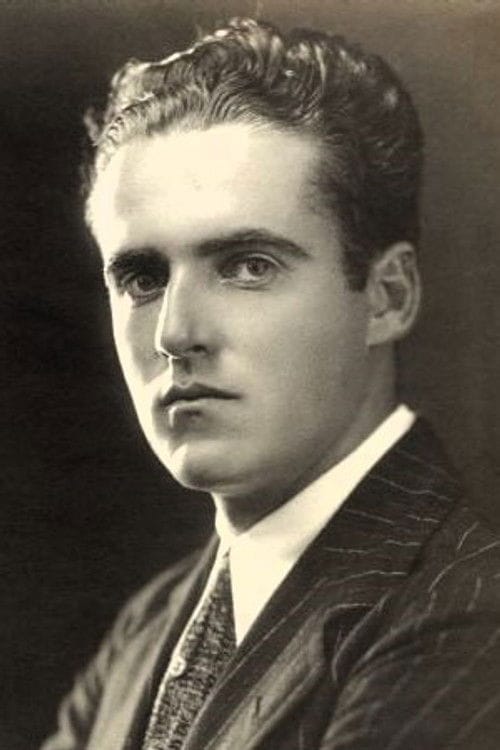
Born in San Bernardino, California, on April 11, 1891, Marshall Ambrose Neilan didn't initially set out to become a filmmaker. He possessed a restless spirit and a natural charisma, qualities that led him to various pursuits before stumbling into the burgeoning film industry. His early life was characterized by a sense of adventure, working odd jobs and even trying his hand at boxing. This inherent restlessness would later be reflected in the dynamic energy and often unpredictable nature of his films.
Neilan’s entry into the world of motion pictures was rather serendipitous. While working in a Southern California automobile shop, he caught the eye of a film crew shooting nearby. Impressed by his looks and engaging personality, he was offered a small acting role. This chance encounter proved pivotal. He quickly transitioned from a bit player to a featured actor, demonstrating a natural aptitude for performance and an understanding of the camera. He started his career at Biograph Studios in 1911 as an actor. Soon Neilan joined the Selig Polyscope Company then the Kalem Company. In 1915, he acted opposite Mary Pickford in "Rags". His acting skills and knowledge of the movie making process soon lead him to directing.
His early acting experiences were instrumental in shaping his directorial vision. He learned firsthand the nuances of on-screen performance and developed a deep appreciation for the power of visual storytelling. This understanding of the actor's craft, combined with his inherent flair for innovation, would become a hallmark of his directing style.
Directorial Style & Signature Techniques
Marshall Neilan's directorial style was characterized by its dynamism, experimentation, and a distinctly modern sensibility. He wasn't afraid to break away from the established conventions of early cinema, embracing new techniques and pushing the boundaries of visual storytelling. His films often possessed a youthful energy, reflecting the changing attitudes and societal shifts of the post-World War I era. He was ahead of his time, and was known to be a director that actors trusted and admired.
Emphasis on Naturalism and Performance
Unlike some of his contemporaries who favored highly stylized or theatrical performances, Neilan prioritized naturalism in his actors' portrayals. He encouraged improvisation and allowed his performers to bring their own personalities to their roles. This approach resulted in more relatable and believable characters, enhancing the audience's emotional connection to the story. Neilan himself was a very charismatic person, this translated into him being able to get strong acting performances from his cast.
Innovative Use of Camera Movement and Editing
Neilan was a pioneer in the use of camera movement to create a sense of dynamism and visual interest. He frequently employed tracking shots, pans, and tilts to enhance the pacing and emotional impact of his scenes. He understood the power of editing and was known for his creative use of jump cuts and montage sequences, pushing the boundaries of cinematic grammar. Neilan helped to solidify many new techniques that are still in use today.
Themes of Modernity and Social Commentary
Many of Neilan's films explored themes of modernity, reflecting the rapid social and cultural changes of the early 20th century. He often depicted the lives of young, independent women challenging traditional gender roles. While he wasn't overtly political, his films subtly critiqued social inequalities and celebrated the spirit of individualism. He captured the feeling of the time, and was in touch with what the audience was craving. He was one of the first to capture the jazz age on the big screen.
Use of Location Shooting
Neilan embraced location shooting, moving away from the confines of the studio and filming on location whenever possible. This added a layer of realism and authenticity to his films, immersing the audience in the world of the story. Neilan understood that using locations would help to sell the story, and create something believable for audiences to enjoy.
Major Films & Career Highlights
Neilan's filmography boasts a diverse range of genres and styles, showcasing his versatility as a director. He directed a number of commercially successful and critically acclaimed films throughout the 1910s and 1920s, solidifying his reputation as one of Hollywood's most sought-after filmmakers.
"Rebecca of Sunnybrook Farm" (1917)
This adaptation of Kate Douglas Wiggin's popular novel, starring Mary Pickford, was a major box office hit and cemented Neilan's reputation as a director who could appeal to a wide audience. Neilan was able to take the material and create a film that was both charming and entertaining. The success of this film helped to solidify Mary Pickford's career, and further cement Neilan's reputation as a director of note. He also co-starred in the picture, showing off his acting chops.
"Stella Maris" (1918)
Also starring Mary Pickford, this film showcased Neilan's ability to handle more complex and emotionally resonant material. Pickford plays a dual role, a disabled invalid and a vivacious young woman, highlighting her range as an actress. Neilan's sensitive direction and Pickford's powerful performance made "Stella Maris" a critical and commercial success, showing the world that the two were a force to be reckoned with.
"M'Liss" (1918)
Another collaboration with Mary Pickford, "M'Liss" is a heartwarming story of a young girl who finds love and acceptance in a small mining town. The film's focus on character development and emotional resonance, combined with Neilan's skillful direction, made it a favorite among audiences and critics alike. Neilan was able to extract the themes from the source material, and create something that audiences were drawn to.
"Daddy-Long-Legs" (1919)
Starring Mary Pickford, this film solidified Neilan's status as a top director in Hollywood. "Daddy-Long-Legs" is a coming-of-age story about a young orphan girl who is supported by an anonymous benefactor. The film's touching narrative, combined with Pickford's brilliant performance and Neilan's sensitive direction, made it a critical and commercial triumph. Neilan had worked with Pickford on numerous occasions, and was able to bring out her talent in new and exciting ways.
"Her First Romance" (1940)
Decades after his heyday, Neilan directed his final film. It starred Jackie Cooper and Julie Bishop. It failed to recapture the success of his silent era films.
Collaborations & Influence
Marshall Neilan was known for his collaborative spirit and his ability to nurture talent. He worked with some of the biggest stars of the silent era, forging lasting partnerships and influencing the careers of many aspiring filmmakers.
Mary Pickford: A Defining Collaboration
Neilan's most significant collaboration was undoubtedly with Mary Pickford, often referred to as "America's Sweetheart." Together, they created a string of successful films that defined the era, including "Rebecca of Sunnybrook Farm," "Stella Maris," "M'Liss," and "Daddy-Long-Legs." Neilan's ability to showcase Pickford's talent and create compelling narratives around her persona was a key factor in her enduring popularity.
Other Notable Collaborations
Besides Pickford, Neilan worked with other prominent actors of the era, including Blanche Sweet, Richard Barthelmess, and Constance Talmadge. He fostered a collaborative environment on set, encouraging his actors to contribute their own ideas and interpretations to their roles. Neilan was considered a good actor's director. Many of his actors and actresses flourished under his guidance.
Influence on Future Filmmakers
While his name may not be widely known today, Neilan's innovative techniques and emphasis on naturalism influenced many subsequent filmmakers. His use of camera movement, editing, and location shooting helped to shape the language of cinema and pave the way for future generations of directors. While not always acknowledged, many directors that followed in his footsteps adapted and adopted techniques he helped to establish.
Awards & Recognition
During his most successful years, Marshall Neilan received recognition for his achievements in filmmaking. While a formal awards system like the modern Academy Awards didn't exist during the peak of his career, he garnered considerable praise from critics and audiences alike.
Critical Acclaim and Box Office Success
The critical acclaim and box office success of films like "Rebecca of Sunnybrook Farm," "Stella Maris," and "Daddy-Long-Legs" were a testament to Neilan's talent and popularity. He was widely regarded as one of the most innovative and successful directors of his time.
"Hands Across the Sea" Award (1918)
Neilan received the "Hands Across the Sea" award, given by the Screen Writers Guild to the filmmaker that was deemed to have done the most to enhance Anglo-American relations. This award was given out due to the cultural phenomenon that Neilan's films had in the United Kingdom, and other English speaking countries.
Later Recognition (Posthumously)
In recent years, there has been a renewed interest in Neilan's work, with film historians and enthusiasts recognizing his contributions to the development of cinema. Film festivals and retrospectives have showcased his films, bringing his work to a new generation of audiences. Although it came after his death, this renewed interest is a testament to the lasting impact of Neilan's vision.
Cultural Impact & Legacy
Marshall Neilan's cultural impact extends beyond his individual films. He helped to shape the image of Hollywood as a glamorous and innovative center of filmmaking. His work reflected the changing attitudes and social norms of the early 20th century, capturing the spirit of the Jazz Age and portraying the lives of modern women.
Capturing the Spirit of the Jazz Age
Neilan's films often reflected the energy and exuberance of the Jazz Age, with their fast-paced narratives, modern settings, and portrayals of independent women. He captured the spirit of a generation that was breaking free from traditional constraints and embracing new forms of expression.
Pioneering Techniques in Filmmaking
Neilan's innovative use of camera movement, editing, and location shooting helped to advance the art of filmmaking and paved the way for future generations of directors. His contributions to the development of film language are undeniable, and his influence can be seen in the work of many subsequent filmmakers.
A Forgotten Pioneer
Despite his significant contributions to cinema, Marshall Neilan's name has largely faded from public memory. However, his films continue to be studied and appreciated by film historians and enthusiasts. His legacy as a pioneer of silent cinema, an innovator in filmmaking techniques, and a chronicler of the Jazz Age deserves to be remembered and celebrated. His fall from grace was due in part to his own troubles in his personal life. Regardless, he left a lasting mark on film, and many of his contributions are still felt today.