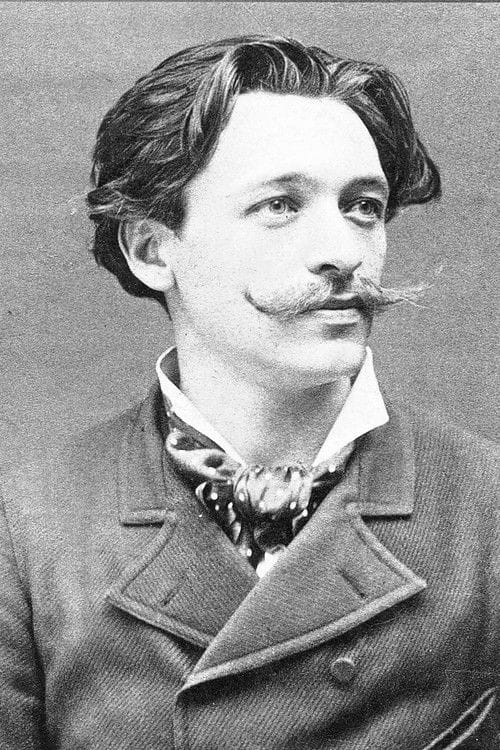
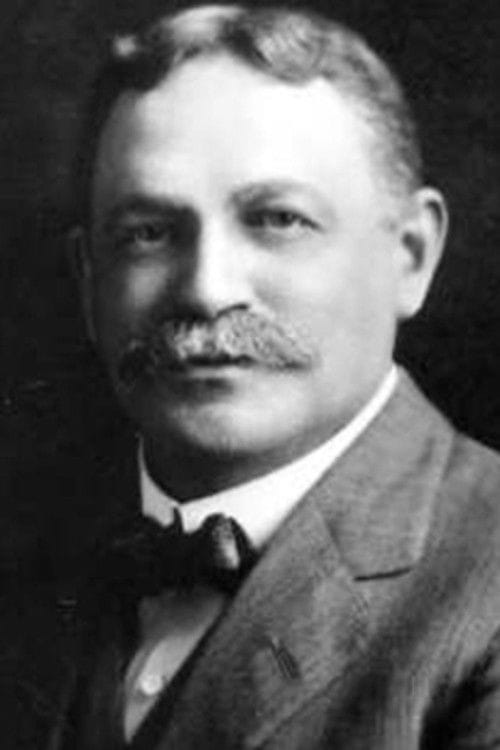
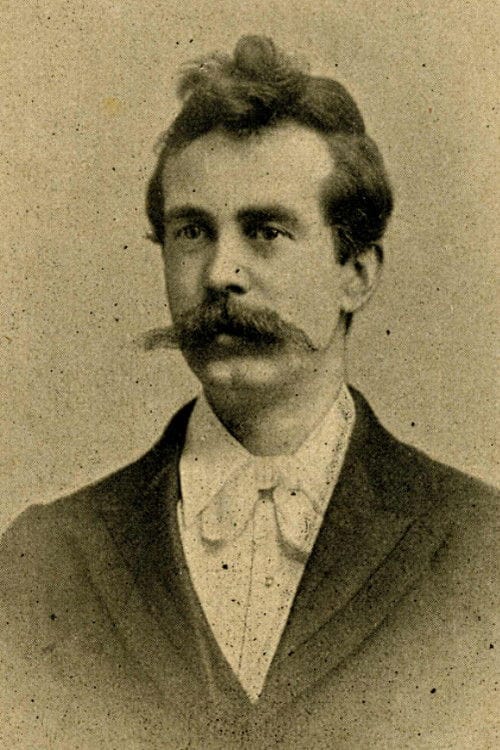
Mario Morais: Film Director & Cinematic Visionary
Mario Morais: A Pioneer of Early Cinema (1900-1909)
In the nascent years of the 20th century, as moving pictures transitioned from a novelty act to a burgeoning art form, a handful of visionary filmmakers laid the foundation for what would become the global phenomenon of cinema. Among these pioneers, the name Mario Morais shines with a particular brilliance, although often overshadowed by more widely celebrated figures. Working primarily between 1900 and 1909, Morais was not merely a director; he was an innovator, a storyteller, and a master craftsman who helped shape the language of early film. His contributions, though relatively small in number compared to later directors, were significant in pushing the boundaries of narrative, visual storytelling, and technical experimentation.
Introduction & Early Life
Born into a modest family in Lisbon, Portugal, around 1870 (precise records are scarce, a common challenge in documenting early film history), Mario Morais displayed an early fascination with visual arts. Before entering the world of filmmaking, he is believed to have worked as a painter's apprentice and later as a set designer for local theater productions. This background proved invaluable, equipping him with a keen eye for composition, lighting, and visual storytelling - elements that would become hallmarks of his directorial style. Little is definitively known about his formal education or personal life, adding to the mystique surrounding this early cinematic figure. Fragmentary accounts suggest a restless spirit, a thirst for innovation, and a deep connection to the socio-political currents of his time.
The burgeoning technological advancements in the late 19th century, particularly the Lumière brothers' invention of the Cinématographe, captivated Morais. The ability to capture and project moving images presented an entirely new canvas for artistic expression, one that he eagerly embraced. He is said to have been present at one of the first public screenings of Lumière films in Portugal, an experience that profoundly influenced his decision to pursue filmmaking. Abandoning his established path in theater, Morais dedicated himself to learning the intricacies of the new medium, initially working as a cameraman and assistant director for various traveling film companies that toured Europe.
This apprenticeship provided him with hands-on experience in all aspects of filmmaking, from operating the cumbersome cameras to developing film negatives and projecting the final product. It was during this period that he honed his technical skills and developed his artistic vision, experimenting with different camera angles, editing techniques, and narrative structures. These early experiences were crucial in shaping the distinctive directorial style that would later define his work. The exposure to diverse cultures and storytelling traditions during his time with traveling film companies also broadened his artistic horizons and influenced the thematic concerns explored in his films.
Directorial Style & Signature Techniques
Mario Morais's directorial style was characterized by a unique blend of theatrical staging and cinematic innovation. Drawing upon his background in theater, he meticulously crafted each scene, paying close attention to set design, costume, and character blocking. However, unlike many of his contemporaries who simply filmed theatrical performances, Morais understood the inherent potential of cinema to transcend the limitations of the stage. He actively experimented with camera movement, editing techniques, and visual effects to create a more immersive and dynamic viewing experience.
One of Morais's signature techniques was his innovative use of camera angles. While early filmmakers often relied on static shots, Morais frequently employed tracking shots, panning shots, and even rudimentary crane shots (achieved with makeshift equipment) to add a sense of movement and dynamism to his films. He understood that the camera could be used to guide the viewer's eye, to create tension, and to reveal character emotions in a way that was impossible on the stage. His use of close-ups, although limited by the technology of the time, was also noteworthy. He recognized the power of the close-up to convey intimacy and emotional intensity, using it sparingly but effectively to highlight key moments in his narratives.
Another distinguishing feature of Morais's directorial style was his sophisticated use of editing. He was among the first filmmakers to grasp the concept of montage, using the juxtaposition of different shots to create a sense of rhythm, pacing, and emotional impact. He employed cross-cutting to create suspense, parallel editing to compare and contrast different storylines, and jump cuts to disrupt the narrative flow and create a sense of disorientation (techniques that were remarkably ahead of their time). Morais also experimented with early forms of special effects, using double exposure, matte paintings, and in-camera effects to create illusions and enhance the visual spectacle of his films. While these effects may seem crude by today's standards, they were groundbreaking at the time and demonstrated Morais's commitment to pushing the boundaries of cinematic possibility.
Furthermore, Morais was known for his naturalistic approach to acting. He encouraged his actors to deliver understated and believable performances, eschewing the exaggerated gestures and melodramatic delivery that were common in early silent films. He believed that the power of cinema lay in its ability to capture and convey authentic human emotions, and he worked closely with his actors to achieve this goal. His directorial approach fostered a sense of realism and intimacy that set his films apart from many of his contemporaries. He valued collaboration with his actors, allowing them input into the development of their characters and encouraging improvisation within the framework of the script.
Major Films & Career Highlights
Although the exact number of films directed by Mario Morais remains uncertain due to the incomplete preservation of early film records, several key works have been identified as pivotal moments in his career. These films showcase his evolving directorial style, his innovative use of cinematic techniques, and his exploration of diverse themes and genres.
- "O Fantasma do Castelo" (The Ghost of the Castle, 1902): This early film is considered one of the first examples of Portuguese horror cinema. While the special effects are rudimentary by modern standards, the film's atmospheric visuals, suspenseful pacing, and evocative use of shadow and light created a chilling and unforgettable experience for audiences of the time. The film tells the story of a young couple who spend the night in an ancient castle rumored to be haunted, and their terrifying encounter with a spectral figure. "O Fantasma do Castelo" established Morais as a master of visual storytelling and demonstrated his ability to create a sense of dread and suspense through purely cinematic means.
- "A Severa" (1904): This dramatic film, based on a popular Portuguese novel, tells the tragic story of a famous fado singer who falls in love with a nobleman, leading to a tale of betrayal, heartbreak, and ultimately, death. "A Severa" is significant for its realistic portrayal of working-class life in Lisbon and its exploration of themes of love, class conflict, and social injustice. Morais's use of location shooting and his focus on capturing authentic details of everyday life added a layer of realism to the film that resonated with audiences. The film also features stunning musical performances, capturing the raw emotion and passion of fado music.
- "Viagem a Marte" (A Trip to Mars, 1906): This ambitious science fiction film, inspired by the writings of Jules Verne, is a remarkable achievement for its time. Using inventive special effects and imaginative set design, Morais created a convincing depiction of a journey to Mars, complete with alien landscapes and strange creatures. "Viagem a Marte" demonstrated Morais's boundless imagination and his willingness to experiment with new genres and cinematic techniques. The film's depiction of space travel, although fantastical, reflected the growing fascination with science and technology in the early 20th century. It is considered one of the earliest examples of science fiction cinema in Europe.
- "Os Crimes de Diogo Alves" (The Crimes of Diogo Alves, 1909): Considered his masterpiece, this historical crime drama recounts the true story of Diogo Alves, a notorious serial killer who terrorized Lisbon in the 19th century. Morais meticulously recreated the historical setting, using authentic costumes, props, and locations to transport audiences back to the time of Alves's crimes. The film is notable for its unflinching portrayal of violence and its exploration of the psychological motivations of a criminal. "Os Crimes de Diogo Alves" is a landmark achievement in Portuguese cinema and a testament to Morais's skill as a storyteller and his ability to create compelling and thought-provoking narratives. It also showcased his maturation as a director, demonstrating a mastery of pacing, suspense, and character development.
The production of these films, particularly "Viagem a Marte," faced significant technical and logistical challenges. Morais often had to invent his own equipment and develop his own techniques to achieve the desired visual effects. His resourcefulness and ingenuity were essential to the success of his films, demonstrating his commitment to pushing the boundaries of cinematic innovation despite limited resources.
Collaborations & Influence
Mario Morais, though often working with limited resources, fostered collaborations that contributed significantly to his artistic vision. He frequently partnered with local theater actors, providing them with opportunities to transition to the burgeoning film industry. His relationship with the renowned stage actress Maria Santos was particularly fruitful; she starred in several of his most acclaimed films, bringing a nuanced and compelling presence to his narratives. Morais also collaborated with various composers to create original scores for his films, enhancing the emotional impact of his stories and adding another layer of artistry to his productions.
Morais’s influence on subsequent generations of Portuguese filmmakers, while not always explicitly acknowledged due to the fragmented nature of early film history, is undeniable. His pioneering work in narrative storytelling, visual experimentation, and genre exploration laid the groundwork for the development of a distinct Portuguese cinematic identity. His films inspired other filmmakers to explore local stories, capture the beauty of the Portuguese landscape, and experiment with new cinematic techniques. Furthermore, his focus on social issues and his realistic portrayal of working-class life paved the way for the development of social realism in Portuguese cinema. His impact extended beyond Portugal as well. His innovative techniques, such as his use of montage and early special effects, were adopted by filmmakers across Europe and contributed to the development of a global cinematic language.
Several film scholars have noted similarities between Morais's visual style and that of early French filmmakers, suggesting that he may have been influenced by their work. However, Morais's films also possess a distinct Portuguese sensibility, reflecting the unique cultural and social context of his time. He successfully blended international influences with local themes and traditions, creating a body of work that is both universal and uniquely Portuguese.
Awards & Recognition
In an era before formal film festivals and awards ceremonies, recognition for filmmakers like Mario Morais was primarily through audience reception and critical acclaim in newspapers and theatrical trade publications. His films consistently drew large crowds, particularly in Lisbon and other major Portuguese cities. Contemporary reviews praised his innovative storytelling, his visual artistry, and his ability to create compelling and emotionally resonant narratives. "Os Crimes de Diogo Alves," in particular, was lauded as a masterpiece of Portuguese cinema and earned him widespread recognition as a leading filmmaker of his time.
While no formal awards existed in the way we understand them today, Morais received accolades from various cultural organizations and artistic societies for his contributions to the arts. He was often invited to give lectures and presentations on filmmaking, sharing his knowledge and expertise with aspiring filmmakers. His films were also screened at various international exhibitions and trade shows, showcasing Portuguese cinema to a wider audience. These informal forms of recognition, though less formal than modern awards, were nonetheless significant in establishing Morais's reputation as a pioneering and influential filmmaker.
Cultural Impact & Legacy
Mario Morais's cultural impact extends far beyond his brief but prolific career. He helped to establish cinema as a legitimate art form in Portugal, paving the way for future generations of filmmakers to explore their creative visions. His films captured the spirit of a rapidly changing era, reflecting the social, political, and cultural currents of early 20th-century Portugal. His exploration of diverse themes, from historical dramas to science fiction adventures, demonstrated the versatility of cinema as a medium for storytelling and artistic expression.
His legacy lies not only in the films he created but also in the techniques and innovations he pioneered. His contributions to camera movement, editing, and special effects helped to shape the language of early cinema and influenced the development of filmmaking techniques worldwide. While many of his films have been lost or damaged over time, those that survive serve as a testament to his artistic vision and his technical ingenuity. Efforts are ongoing to preserve and restore his surviving films, ensuring that future generations can appreciate his contributions to cinematic history.
Mario Morais's story is a reminder that the history of cinema is not solely defined by the well-known figures of Hollywood. It is also shaped by the contributions of countless unsung heroes, like Morais, who worked tirelessly to push the boundaries of the medium and to create a truly global art form. By studying and celebrating his work, we can gain a deeper understanding of the rich and diverse history of cinema and appreciate the innovative spirit that has always driven its evolution. His work continues to inspire and influence filmmakers today, serving as a reminder of the power of cinema to entertain, educate, and inspire.