Mack Sennett: Film Director & Cinematic Visionary
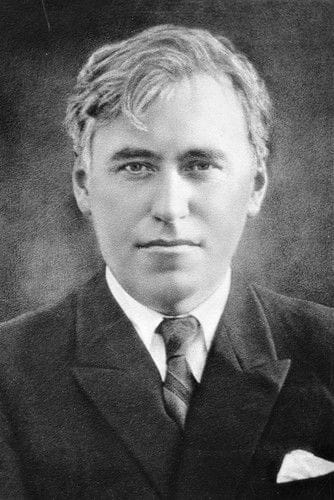
Mack Sennett: The King of Comedy and Founder of Slapstick
Introduction & Early Life
Mack Sennett, a name synonymous with early Hollywood and the birth of slapstick comedy, stands as a pivotal figure in film history. Born Michael Sinnott on January 17, 1880, in Richmond, Quebec, Canada, his journey from a small-town upbringing to becoming the "King of Comedy" is a testament to his relentless ambition and innate understanding of what made audiences laugh. His influence on the development of comedic filmmaking is undeniable, shaping the very landscape of the genre and laying the groundwork for generations of comedians to come.
Sennett's early life was far removed from the glitz and glamour of Hollywood. His family later moved to Holyoke, Massachusetts, where he worked various jobs, including as a boilermaker. However, Sennett harbored artistic aspirations, initially dreaming of becoming an opera singer. He even took singing lessons, a detail that seems almost comical given his later contributions to silent film. This pursuit eventually led him to New York City around 1902, seeking opportunities in the entertainment world. While opera didn't pan out, his arrival in New York marked a significant turning point, setting him on a path towards the nascent film industry.
In New York, Sennett worked odd jobs while trying to break into the theater. He found work as a stagehand and occasionally as an extra, gaining valuable exposure to the mechanics of performance and storytelling. This experience, combined with his inherent sense of humor and observation skills, proved invaluable. It was during this period that he met Griffith, who recognized Sennett's potential and offered him a role as an actor at Biograph Studios in 1908. This marked the true beginning of Sennett's film career, albeit initially behind the camera. He quickly learned the ropes of filmmaking, absorbing Griffith's techniques in directing, acting, and storytelling. While Sennett respected Griffith's dramatic style, he felt a stronger pull towards comedy, sensing its untapped potential within the relatively new medium of motion pictures. This divergence in creative vision would ultimately lead Sennett to forge his own path, one paved with pies, pratfalls, and the infectious energy of the Keystone Cops.
Directorial Style & Signature Techniques
Mack Sennett's directorial style was characterized by its chaotic energy, relentless pace, and unwavering commitment to physical comedy. He eschewed sophisticated narratives in favor of simple, often absurd, storylines designed to maximize the opportunities for visual gags and outlandish stunts. His films were not about character development or profound social commentary; they were about pure, unadulterated entertainment, a riotous escape from the everyday.
One of Sennett's signature techniques was the embrace of slapstick. He didn't invent the term, but he certainly popularized it and elevated it to an art form. Slapstick, in Sennett's hands, was a carefully choreographed symphony of chaos, involving pratfalls, chases, pie fights, and collisions. He understood the power of physical humor to transcend language barriers and connect with audiences on a primal level. He believed in the power of the "gag" above all else, crafting elaborate sequences designed to elicit maximum laughter.
Key elements of his style:
- Exaggerated Characters: Sennett's characters were often larger-than-life caricatures, embodying exaggerated traits and engaging in ridiculously over-the-top behavior. This heightened sense of unreality contributed to the comedic effect.
- Fast-Paced Action: Sennett's films were known for their breakneck speed. Characters were constantly running, chasing, and engaging in frantic activity. This relentless pace heightened the comedic tension and kept audiences engaged.
- Pie Fights: The pie fight became a Sennett trademark, a symbol of his comedic excess. These chaotic melees were not just random acts of violence; they were carefully orchestrated ballets of absurdity.
- Chase Sequences: The Keystone Cops made chase sequences a defining element of Sennett's films. These chases were often illogical and involved a variety of vehicles, including cars, bicycles, and even animals. The sheer absurdity of the chases, combined with the Cops' ineptitude, made them endlessly entertaining.
- Physical Humor: Sennett's films relied heavily on physical humor, including pratfalls, collisions, and other forms of slapstick. He understood the power of the human body to create comedic moments.
- The Keystone Cops: Arguably Sennett's most enduring creation, the Keystone Cops were a troupe of hopelessly incompetent police officers whose antics were legendary. Their bumbling incompetence and utter disregard for the rules of law and order made them a comedic goldmine.
Sennett also understood the importance of casting. He had a knack for spotting comedic talent and nurturing it. He gave many aspiring actors and actresses their first breaks, shaping them into iconic comedic performers. He valued performers who were willing to embrace physical comedy and commit fully to the absurdity of his vision. He fostered a collaborative environment at his studio, encouraging improvisation and experimentation.
Major Films & Career Highlights
Mack Sennett's career was marked by a string of successful short films, primarily produced under his own Keystone Studios banner. While few of these films are considered cinematic masterpieces in the traditional sense, they were enormously popular with audiences and played a crucial role in shaping the development of comedic filmmaking. He pioneered the short comedy format, using it as a testing ground for new gags, characters, and techniques.
Key Films and Moments:
- The Keystone Cops Films: These short comedies, featuring the bumbling Keystone Cops, were arguably Sennett's most iconic creations. Films like "Bangville Police" (1913) and "The Bangville Police" (1913) showcase the Cops' signature blend of incompetence and chaos, cementing their place in film history. The series' popularity spawned countless imitators and helped solidify Sennett's reputation as the "King of Comedy."
- Tillie's Punctured Romance (1914): This feature-length comedy, starring Marie Dressler, Charlie Chaplin, and Mabel Normand, was a landmark achievement for Sennett. It was one of the first feature-length comedies ever made and proved that audiences were willing to embrace longer comedic narratives. The film's success paved the way for other feature-length comedies and helped establish Chaplin as a major star.
- Mabel's Strange Predicament (1914): Starring Mabel Normand and Charles Chaplin, this film is significant for being the first film where Chaplin's "Little Tramp" character appeared on screen, although "Kid Auto Races at Venice" was released earlier. Sennett recognised the potential of Chaplin's persona and nurtured his talent.
- The Bathing Beauties: Sennett's "Bathing Beauties" were a group of attractive young women who appeared in his films, often in bathing suits. They were more than just eye candy; they were integral to the visual humor of his films. Their presence added a layer of lightheartedness and playful sexuality to Sennett's comedies. They helped to establish certain beauty standards in the early film industry.
- Founding Keystone Studios: Sennett's decision to found his own studio, Keystone Studios, in 1912, was a pivotal moment in his career. It gave him complete creative control over his films and allowed him to experiment with new ideas. Keystone Studios became a breeding ground for comedic talent, launching the careers of numerous stars.
- Transition to Sound: While Sennett initially resisted the transition to sound, he eventually adapted and produced several successful sound comedies. However, his style of comedy, which relied heavily on visual gags and physical humor, was less suited to the sound era.
Sennett's success was not without its challenges. He faced competition from other studios and had to constantly innovate to keep his films fresh and engaging. He was known for being a demanding and sometimes difficult boss, but he also had a knack for inspiring his performers to deliver their best work. He was a risk-taker, always willing to push the boundaries of what was considered acceptable in comedy. His films were often criticized for being lowbrow and vulgar, but they were also undeniably entertaining and had a profound impact on popular culture.
Beyond specific films, Sennett's greatest contribution was his ability to identify and cultivate comedic talent. He had an eye for spotting performers with a natural gift for physical comedy and a willingness to commit to his unique brand of humor. He created a supportive and collaborative environment at Keystone Studios, allowing his performers to experiment and develop their own comedic styles. He was a master of improvisation, often encouraging his actors to ad-lib and come up with their own gags.
Collaborations & Influence
Mack Sennett's influence on comedic cinema is undeniable. He directly nurtured the careers of some of the biggest names in early Hollywood, leaving an indelible mark on their performance styles and comedic sensibilities. His collaborative spirit fostered a creative environment that birthed iconic characters and techniques. Sennett was a key figure in establishing Hollywood as the center of the American film industry.
Key Collaborations:
- Charlie Chaplin: Perhaps Sennett's most famous protégé, Chaplin's early work at Keystone Studios was instrumental in developing his iconic "Little Tramp" character. Sennett recognized Chaplin's genius and gave him the freedom to experiment, allowing him to develop his unique style of physical comedy. Though their collaboration was relatively brief, it was a defining moment in both of their careers.
- Mabel Normand: Normand was not just an actress but also a director and writer, and a frequent collaborator with Sennett. She was one of the biggest stars of the silent era and was known for her energetic performances and comedic timing. She co-starred in and co-directed several films with Chaplin early in his career, showing off her many talents.
- Roscoe "Fatty" Arbuckle: Arbuckle was another major star who rose to fame under Sennett's guidance. He was known for his impressive physical dexterity and his ability to execute complex stunts. Though his career was later marred by scandal, Arbuckle's early work with Sennett was highly influential.
- The Keystone Cops: While not individual actors, the Keystone Cops as an ensemble represented a key collaboration. The collective comedic energy and the established formula of their films was quintessential Sennett.
Sennett's influence extended beyond the actors he mentored. His fast-paced, gag-driven style of comedy influenced countless filmmakers, from Buster Keaton to the Marx Brothers. His emphasis on physical humor and visual gags continues to resonate with audiences today. Many modern comedies, particularly those that rely on slapstick, owe a debt to Sennett's pioneering work.
Furthermore, Sennett's impact on the development of film technology is often overlooked. His studio was a hub of innovation, experimenting with new camera techniques, editing styles, and special effects. He was always looking for ways to enhance the comedic impact of his films, pushing the boundaries of what was possible with the technology of the time.
Awards & Recognition
While Mack Sennett's films were not always critically acclaimed during his heyday, his contributions to the film industry were eventually recognized with prestigious awards and honors. His impact on comedy and the development of cinema was undeniable, and these accolades solidified his place in film history.
Key Awards:
- Academy Honorary Award (1938): This award, presented to Sennett "for his lasting contribution to the comedy technique of the screen, the basic principles of which are as important today as when they were initially developed," was a testament to his profound influence on the genre. It recognized his pioneering work in slapstick comedy and his role in shaping the comedic landscape of cinema.
Beyond the Academy Award, Sennett's films have been recognized and preserved by film archives and museums around the world. His work is frequently screened and studied, ensuring that his legacy continues to inspire and entertain future generations of filmmakers and audiences. His films are now considered important historical artifacts, offering a glimpse into the early days of Hollywood and the evolution of comedic filmmaking.
Although official awards during his most active period were scant, the immense popularity of his films and the success of his studio were a form of recognition in themselves. The box office success of his films demonstrated their appeal to a wide audience and validated his approach to comedy. The fact that he was able to build a successful studio and launch the careers of so many talented individuals is a testament to his vision and leadership.
Cultural Impact & Legacy
Mack Sennett's cultural impact extends far beyond the specific films he made. He helped to define the early aesthetics of comedy and created a visual language that continues to be understood and appreciated today. His influence can be seen in everything from animated cartoons to contemporary slapstick comedies. He helped establish Hollywood as the entertainment capital of the world and shaped the careers of some of the most iconic figures in film history.
Sennett's legacy lies in his ability to tap into a universal sense of humor. His films were simple, often silly, but they were also incredibly effective at eliciting laughter. He understood the power of physical comedy to transcend cultural barriers and connect with audiences on a primal level. His emphasis on visual gags and outrageous stunts made his films accessible to viewers of all backgrounds.
Furthermore, Sennett's contribution to the development of film technology and production techniques cannot be overstated. His studio was a laboratory for innovation, experimenting with new camera angles, editing styles, and special effects. He helped to establish many of the standard practices of filmmaking that are still used today. He was a true pioneer, pushing the boundaries of what was possible with the technology of his time.
In conclusion, Mack Sennett was more than just a film director; he was a cultural icon. He helped to define the early years of Hollywood and shaped the development of comedic filmmaking. His legacy continues to inspire and entertain audiences around the world, ensuring that the "King of Comedy" will forever be remembered as one of the most influential figures in film history.