Luigi Maggi: Film Director & Cinematic Visionary
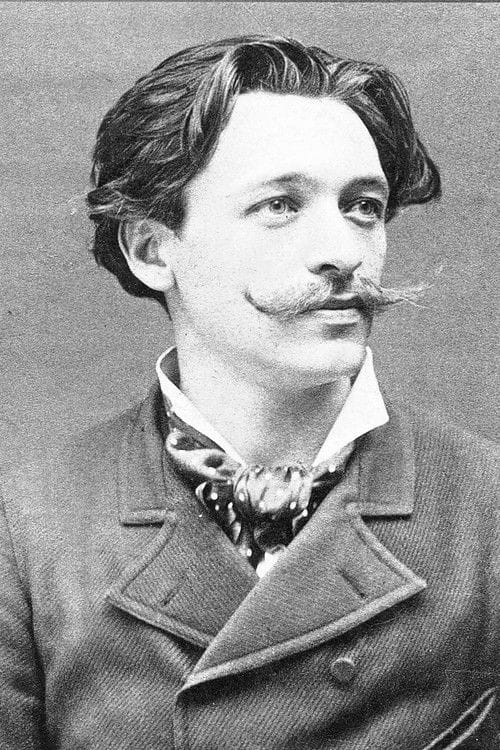
Luigi Maggi: A Pioneer of Italian Cinema (1859-1927)
Luigi Maggi stands as a pivotal figure in the nascent years of Italian cinema, a director whose innovative techniques and narrative choices helped shape the very foundation of the industry. Active primarily during the first decade of the 20th century, a period of immense experimentation and discovery in filmmaking, Maggi's contributions often go overlooked in modern discussions of cinematic history. This biography aims to shed light on his life, directorial style, major works, collaborations, and enduring legacy as a true pioneer of the silver screen.
Early Life and Background
Luigi Maggi was born on December 21, 1859, in Turin, Italy, a city that would become a significant center for early Italian filmmaking. Details about his early life are scarce, a common challenge when researching figures from this era. However, it's believed he possessed a theatrical background before venturing into film. Some sources suggest he worked as a stage actor and possibly even a playwright, experiences that undoubtedly influenced his approach to directing. The late 19th century in Italy was a period of rapid industrialization and social change, and Turin, as an industrial hub, was at the forefront of this transformation. This environment fostered a spirit of innovation and experimentation, providing a fertile ground for the emergence of new art forms like cinema.
The arrival of the Lumière brothers' cinematograph in Italy in 1896 sparked widespread fascination and a race to develop indigenous filmmaking capabilities. It's likely that Maggi witnessed these early screenings and recognized the immense potential of this new medium. While the precise path that led him to directing remains unclear, it’s evident that his theatrical experience provided a solid foundation for understanding storytelling and visual composition. The early film industry was largely unregulated and attracted individuals from diverse backgrounds, including photographers, stage performers, and entrepreneurs, all eager to explore the possibilities of moving pictures. Maggi's transition from the stage to the screen was thus a natural progression, reflecting the evolving landscape of the entertainment industry.
By the early 1900s, several film production companies had sprung up in Italy, primarily in Turin and Rome. These companies were keen to produce films that resonated with Italian audiences, drawing inspiration from historical events, literary classics, and popular theatrical works. It was within this dynamic context that Luigi Maggi began his directorial career, embarking on a journey that would leave an indelible mark on the history of Italian cinema.
Directorial Style & Signature Techniques
Luigi Maggi's directorial style can be characterized by its emphasis on narrative clarity, historical accuracy (within the limitations of the time), and a strong sense of spectacle. He wasn't merely documenting reality; he was crafting narratives, using the camera to tell stories and evoke emotions. This approach set him apart from many of his contemporaries who focused primarily on capturing everyday life or staging simple comedic skits.
Emphasis on Historical and Literary Adaptations
One of Maggi's defining traits was his preference for adapting historical events and literary works for the screen. This was a common practice in early cinema, as filmmakers sought to legitimize the new medium by associating it with established cultural narratives. Maggi's adaptations, however, were often more ambitious and visually elaborate than those of his peers. He paid close attention to historical details, striving to recreate costumes, settings, and events with a degree of authenticity that was remarkable for the time. This commitment to accuracy, even with limited resources, added a layer of prestige to his films and helped to attract a wider audience.
Innovative Use of Mise-en-scène
Maggi demonstrated a keen understanding of mise-en-scène, the arrangement of elements within the frame. He carefully orchestrated the placement of actors, props, and sets to create visually compelling and informative compositions. His films often featured large crowd scenes, meticulously staged to convey a sense of scale and grandeur. He used depth of field to draw the viewer's eye to specific elements within the frame, guiding their attention and enhancing the narrative. While early filmmaking techniques were relatively basic, Maggi maximized their potential through thoughtful planning and execution.
Pioneering Special Effects
While constrained by the technological limitations of the era, Maggi was also a pioneer in the use of special effects. He employed techniques such as trick photography, stop-motion animation, and in-camera effects to create illusions and enhance the dramatic impact of his films. These early special effects may seem primitive by modern standards, but they were groundbreaking at the time and demonstrated Maggi's willingness to experiment and push the boundaries of what was possible in filmmaking.
Theatrical Influences
Maggi's theatrical background is evident in his directorial style. He often employed theatrical staging techniques, such as dramatic lighting and exaggerated gestures, to heighten the emotional impact of his scenes. His actors frequently delivered stylized performances that were reminiscent of the stage. While this theatrical style may seem dated to modern viewers, it was a common practice in early cinema, reflecting the close relationship between film and theater at the time. Furthermore, Maggi's use of intertitles, which provided dialogue and narration, was often theatrical in tone, adding to the overall sense of drama and spectacle.
Major Films & Career Highlights
Luigi Maggi's filmography, though partially lost to time and historical preservation challenges, showcases a remarkable diversity of genres and themes. He directed dozens of films during his relatively short but impactful career, leaving behind a significant body of work that reveals his artistic vision and technical skill.
*The Last Days of Pompeii* (1908)
Perhaps Maggi's most famous and enduring work is *The Last Days of Pompeii*, a lavish adaptation of Edward Bulwer-Lytton's novel. This epic film, running for over an hour, was a groundbreaking achievement in early cinema. It depicted the eruption of Mount Vesuvius and the destruction of Pompeii with unprecedented scale and realism. Maggi employed elaborate sets, hundreds of extras, and innovative special effects to bring the historical event to life. *The Last Days of Pompeii* was a massive international success, cementing Maggi's reputation as a leading figure in Italian cinema. The film's impact extended beyond its commercial success; it demonstrated the potential of cinema to create immersive and visually stunning historical narratives.
*Nero* (1909)
Following the success of *The Last Days of Pompeii*, Maggi directed *Nero*, another ambitious historical epic. This film depicted the reign of the Roman Emperor Nero, focusing on his tyranny and the Great Fire of Rome. *Nero* was similar in scope and style to *The Last Days of Pompeii*, featuring elaborate sets, large crowd scenes, and dramatic special effects. While *Nero* was not as commercially successful as its predecessor, it further solidified Maggi's reputation as a master of historical spectacle. The film showcased his ability to create visually compelling and historically accurate (within the accepted historical understandings of the time) narratives on a grand scale.
*Nozze d'oro* (1911)
A notable film that moved into a different genre and displayed a shift in his directorial style, *Nozze d'oro*, or Golden Wedding, shows Maggi's move away from the historical epics and towards more contemporary, domestic stories. It portrays the celebration of a couple's 50th wedding anniversary and their family life. This film, even if less known than his historical work, highlights Maggi's versatility as a director.
Other Notable Works
Besides *The Last Days of Pompeii* and *Nero*, Maggi directed a number of other significant films, including adaptations of literary classics such as *The Count of Monte Cristo* (1909) and *King Lear* (1910). He also directed a series of patriotic films, such as *Garibaldi* (1907), which celebrated Italian national heroes and promoted a sense of national identity. These films, while less well-known today, played an important role in shaping public opinion and promoting national unity in Italy during a period of significant social and political change.
Maggi's career was marked by a rapid pace of production. He often directed multiple films in a single year, reflecting the demands of the rapidly growing film industry. While the quality of his films varied, his best works demonstrated his skill as a storyteller, his mastery of visual composition, and his ability to create visually stunning and emotionally engaging cinematic experiences.
Collaborations & Influence
Luigi Maggi's career was characterized by collaborations with various actors, writers, and technicians who contributed to the success of his films. The early film industry was a collaborative endeavor, and Maggi relied on the expertise of his colleagues to bring his vision to life. His films often featured established stage actors, who brought their experience and skills to the new medium.
Actors and Actresses
Maggi worked with several notable actors and actresses of the time, including Lydia De Roberti, who starred in *The Last Days of Pompeii*, and Ubaldo Stefani. These performers brought a sense of gravitas and theatricality to Maggi's films, enhancing their dramatic impact. The actors were not merely puppets; they were collaborators who helped to shape the characters and narratives. Their performances, though often stylized, were integral to the overall success of Maggi's films.
Production Companies
Maggi's films were primarily produced by Italian film companies such as Ambrosio Film and Itala Film, two of the leading production companies in Turin. These companies provided the financial and technical resources necessary to produce Maggi's ambitious films. The relationship between Maggi and these companies was mutually beneficial. Maggi's films brought prestige and profits to the companies, while the companies provided Maggi with the freedom and resources to pursue his artistic vision.
Influence on Subsequent Filmmakers
Maggi's influence on subsequent filmmakers is difficult to quantify precisely, but his work undoubtedly inspired and informed the development of Italian cinema. His success in adapting historical events and literary works for the screen paved the way for future generations of filmmakers. His innovative use of mise-en-scène and special effects set a new standard for visual storytelling. Furthermore, Maggi's films helped to establish Italian cinema as a force to be reckoned with on the international stage. His emphasis on spectacle and grand narratives contributed to the development of the "peplum" genre, which would become a staple of Italian cinema for decades to come.
Awards & Recognition
Formal award ceremonies were not a common feature of the early film industry. Recognition for Luigi Maggi and his contemporaries came primarily in the form of critical acclaim, audience attendance, and commercial success. While specific "awards" in the modern sense are lacking, his achievements were widely acknowledged within the film community and by the public.
Contemporary Critical Acclaim
Maggi's films, particularly *The Last Days of Pompeii*, received widespread critical acclaim upon their release. Critics praised his attention to detail, his innovative use of special effects, and his ability to create visually stunning and emotionally engaging narratives. His films were recognized for their artistic merit and their contribution to the development of Italian cinema.
Commercial Success
The commercial success of Maggi's films, especially *The Last Days of Pompeii*, was a significant form of recognition. The film's popularity demonstrated its appeal to a wide audience and its ability to generate substantial revenue. This commercial success helped to solidify Maggi's reputation as a leading filmmaker and paved the way for his subsequent projects.
Historical Recognition
In more recent times, film historians and scholars have begun to recognize the importance of Luigi Maggi's contributions to the development of Italian cinema. His films have been screened at film festivals and studied in academic settings. His work is now recognized as a crucial part of the history of cinema, demonstrating the innovative spirit and artistic talent of early Italian filmmakers.
Cultural Impact & Legacy
Luigi Maggi's cultural impact extends beyond his specific films. He played a crucial role in shaping the development of Italian cinema and in establishing it as a significant cultural force. His films reflected and influenced the social, political, and cultural values of his time.
Shaping Italian Cinema
Maggi's contributions to the early development of Italian cinema are undeniable. He helped to establish the industry's infrastructure, to develop its aesthetic conventions, and to cultivate its audience. His films demonstrated the potential of cinema to tell compelling stories, to create visually stunning spectacles, and to promote national identity. He set a high standard for Italian filmmaking and paved the way for future generations of directors.
Reflecting and Influencing Cultural Values
Maggi's films reflected the social, political, and cultural values of early 20th-century Italy. His historical epics often promoted a sense of national pride and celebrated Italian history and culture. His patriotic films contributed to the growing sense of national unity in a country that had only recently been unified. At the same time, his films also reflected the social inequalities and political tensions of the time, providing a glimpse into the complexities of Italian society.
Enduring Legacy
Luigi Maggi's legacy as a pioneer of Italian cinema endures to this day. His films, though often overlooked, are a testament to his artistic vision, his technical skill, and his commitment to storytelling. His work helped to establish Italian cinema as a significant cultural force and paved the way for future generations of filmmakers. His contribution to the peplum genre, characterized by historical epics, resonates to this day, even influencing popular video games and other forms of entertainment that take inspiration from the grandeur of classical antiquity. By revisiting and re-evaluating his work, we can gain a deeper understanding of the origins and evolution of cinema as an art form and a cultural phenomenon.