Lucien Nonguet: Film Director & Cinematic Visionary
Lucien Nonguet: A Pioneer of Early French Cinema
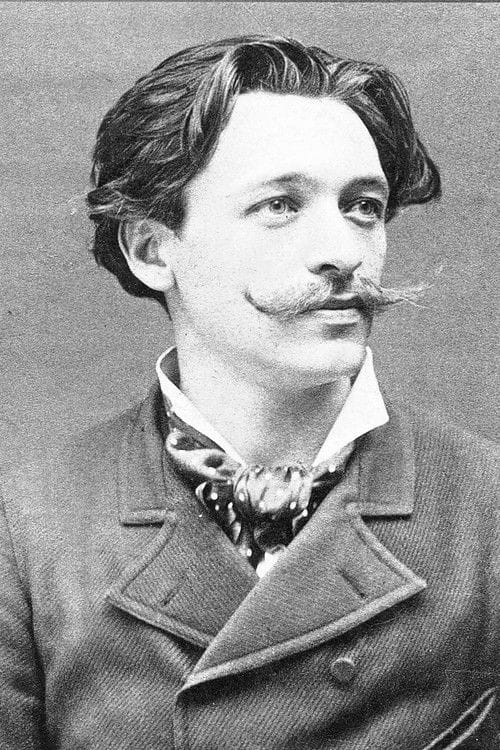
Lucien Nonguet (born May 10, 1869, Poitiers, France; died unknown date) stands as a pivotal, though often overlooked, figure in the dawn of cinema. Active primarily during the first decade of the 20th century, Nonguet's work with Pathé Frères, the dominant film company of the era, helped shape the very language and conventions of early filmmaking. His contributions, spanning a variety of genres from historical dramas and trick films to comedies and actualities, solidified him as a versatile and influential director in the formative years of the silent film industry.
Early Life and Entry into the Film Industry
Information regarding Lucien Nonguet's early life remains scarce. Unlike many of his contemporaries who came from theatrical backgrounds, details about his upbringing, education, and initial career aspirations are largely absent from historical records. This opacity contributes to the challenge of fully understanding the influences that shaped his cinematic vision. What is known with certainty is that he joined Pathé Frères, a company founded by the Pathé brothers, Charles and Émile, which quickly rose to prominence in the burgeoning film industry. Pathé's vertically integrated structure, encompassing film production, distribution, and exhibition, provided Nonguet with a stable platform to hone his skills and experiment with the possibilities of the moving image.
Nonguet's entry into Pathé likely occurred in the late 1890s or very early 1900s, a period of intense innovation and experimentation within the company. He initially worked in various roles, gaining experience in different aspects of filmmaking before ultimately transitioning to directing. The rapid growth of Pathé during this period created opportunities for talented individuals like Nonguet to rise quickly and make significant contributions to the development of cinematic techniques and storytelling.
The context of Nonguet's early career is crucial. The film industry was still in its infancy, with filmmakers constantly discovering new ways to use the camera, editing, and mise-en-scène to create engaging narratives and spectacles. This environment of experimentation allowed Nonguet to develop his own unique style and contribute to the evolving grammar of film. He was part of a generation of pioneers who were literally inventing the art of cinema as they went along.
Directorial Style & Signature Techniques
Lucien Nonguet's directorial style is characterized by its versatility and willingness to experiment with the emerging techniques of early cinema. He wasn't tied to a single genre or aesthetic, instead, he embraced a wide range of subjects and styles, contributing to the diverse output of Pathé Frères. While he may not have developed one instantly recognizable stylistic quirk, his overall approach demonstrates a keen understanding of audience expectations and a commitment to crafting entertaining and engaging films.
Emphasis on Spectacle and Visual Storytelling
Given the limitations of early filmmaking technology, Nonguet heavily relied on visual storytelling. His films are often characterized by elaborate sets, costumes, and special effects, all designed to captivate the audience's attention and compensate for the lack of dialogue. He understood the power of visual spectacle to convey narrative information and create a sense of wonder.
Trick Films and Early Special Effects
Like many filmmakers of his era, Nonguet was drawn to the possibilities of trick films and early special effects. He utilized techniques such as stop-motion animation, dissolves, and double exposure to create illusions and fantastical scenarios. These films, often short and humorous, showcased the novelty of the moving image and provided audiences with a glimpse into the potential of cinematic trickery. Examples include some of his collaborations with Ferdinand Zecca where they pushed the boundaries of what was possible with simple in-camera effects. He seemed to possess a natural talent for creating visual gags and surprising his audience.
Adaptation and Innovation in Genre
Nonguet directed films across various genres, including historical dramas, comedies, and actualities. While not always reinventing the wheel, he consistently adapted existing genres to the cinematic medium, often adding his own unique flair. For instance, his historical dramas often featured elaborate set pieces and large casts, creating a sense of grandeur and authenticity. His comedies, on the other hand, relied on physical humor and fast-paced action to elicit laughter from the audience. This ability to seamlessly transition between different genres demonstrated his versatility and adaptability as a director.
Use of Stage Techniques
It's important to note that early cinema was heavily influenced by theatrical conventions. Nonguet's films often reflect this influence, particularly in terms of staging and performance. Actors tended to use exaggerated gestures and facial expressions to convey emotions, and the camera was often positioned at a distance from the action, similar to the perspective of an audience member in a theater. However, Nonguet also began to experiment with closer camera angles and more dynamic compositions, gradually moving away from the purely theatrical style and embracing the unique possibilities of cinema. This slow departure from established norms makes him an important figure in the transition toward modern cinematic storytelling.
Major Films & Career Highlights
While a complete and definitive filmography of Lucien Nonguet remains challenging to compile due to incomplete records and attribution issues common in early cinema, several films stand out as significant contributions to his body of work and showcase his diverse talents. He was highly prolific, and many of his films are only partially known, but the following examples provide a solid overview of his key achievements:
*La Vie et la Passion de Jésus-Christ* (1903-1905) (Co-directed with Ferdinand Zecca)
This ambitious project, co-directed with Ferdinand Zecca, is arguably Nonguet's most significant work. *La Vie et la Passion de Jésus-Christ* was one of the first large-scale biblical epics in cinema history. It was not a single film but a series of shorts depicting different events in the life of Jesus Christ, from the Annunciation to the Resurrection. The film was notable for its elaborate sets, costumes, and special effects, which brought the biblical stories to life in a visually compelling way. Its success proved the commercial viability of longer, narrative-driven films and paved the way for future epics. Nonguet's contribution likely focused on the practical aspects of directing, managing the large cast and crew, and coordinating the complex visual effects. This project solidified his reputation as a capable and ambitious filmmaker.
Other Key Films (Partial List):
- Series of Trick Films (Various years): Nonguet directed numerous short trick films, often in collaboration with Ferdinand Zecca. Titles are often obscure and difficult to ascertain with certainty, but these films demonstrate his mastery of early special effects and his ability to create humorous and imaginative scenarios.
- Historical Dramas: He directed several historical dramas, often depicting key events or figures from French history. These films showcased his ability to create visually impressive sets and costumes, and to convey a sense of grandeur and authenticity. Accurate titles remain difficult to confirm without further research and preservation efforts.
It's crucial to acknowledge the challenges in definitively attributing films to Nonguet. Early film credits were often inconsistent or incomplete, and many films were the result of collaborative efforts. Further research and restoration efforts are needed to fully document his contributions to the early history of cinema.
Despite the incomplete record, it's clear that Nonguet played a crucial role in shaping the early development of cinema. His versatility, his willingness to experiment with new techniques, and his ability to create engaging and visually impressive films established him as a key figure in the Pathé Frères stable of directors, contributing significantly to the company's success and influence.
Collaborations & Influence
Lucien Nonguet's career was heavily intertwined with the collaborative environment of Pathé Frères. He frequently worked alongside other directors, technicians, and actors, contributing to the company's overall output and influencing the development of early cinematic techniques. His most significant collaboration was with Ferdinand Zecca.
Collaboration with Ferdinand Zecca
Ferdinand Zecca was another prominent figure at Pathé Frères, and he frequently collaborated with Nonguet on various projects, including *La Vie et la Passion de Jésus-Christ*. Their partnership proved to be highly productive, with Zecca often serving as a writer, actor, and co-director on Nonguet's films. The exact division of labor between the two men is not always clear, but it's evident that they shared a common vision and worked effectively together to create innovative and entertaining films. Their shared commitment to spectacle, trick films, and adapting existing genres to the cinematic medium makes them a formidable duo in the history of early cinema. This collaborative approach was common at Pathé, which facilitated the sharing of ideas and expertise, fostering a creative and dynamic environment.
Influence on Other Filmmakers
While Nonguet's direct influence on later filmmakers is difficult to trace due to the limited availability of his films and the lack of extensive critical analysis, his contributions to the development of early cinematic techniques undoubtedly had a ripple effect throughout the industry. His experimentation with special effects, his use of visual storytelling, and his adaptation of various genres all helped to shape the evolving language of film. He contributed to a collective understanding of what was possible with the new medium, paving the way for future generations of filmmakers to build upon his achievements. Moreover, the sheer volume of films he directed and contributed to meant that his work was widely seen, shaping audience expectations and contributing to the growing popularity of cinema as a form of entertainment.
Pathé Frères and its Impact
Nonguet's work must be considered within the context of Pathé Frères' dominance. The company's innovative business model and commitment to technological advancement propelled it to the forefront of the global film industry. Nonguet, as a key director within Pathé, benefited from this environment and contributed to the company's success. His films helped to establish Pathé's brand and solidify its position as a leader in the production, distribution, and exhibition of motion pictures.
Awards & Recognition
Given the early stage of the film industry during Lucien Nonguet's active period (1900-1909), formal award ceremonies as we know them today were virtually non-existent. There were no established film festivals or prestigious organizations handing out accolades. Recognition during this era primarily came in the form of commercial success, positive reviews in trade publications (which are often difficult to access today), and the general acclaim of the viewing public.
While specific awards and trophies eluded Nonguet, the success of films like *La Vie et la Passion de Jésus-Christ* undoubtedly brought him recognition within the Pathé Frères organization and the broader film community. The financial returns and the film's wide distribution would have been a clear indication of his talent and value as a director. Internal promotions and continued opportunities to direct projects likely served as a form of recognition within Pathé.
Furthermore, the influence of his work on the development of cinematic techniques and storytelling, as evidenced by its adoption by other filmmakers, serves as a testament to its inherent value. While not formally acknowledged with awards, his contributions to the early evolution of cinema were significant and have lasting importance.
Cultural Impact & Legacy
Lucien Nonguet's cultural impact lies primarily in his contribution to the popularization of cinema as a form of entertainment and his role in shaping the early language of film. His films, particularly those produced in collaboration with Ferdinand Zecca, reached a wide audience and helped to establish cinema as a viable and engaging medium. He was part of a generation that transformed cinema from a scientific novelty into a form of mass entertainment.
Contribution to Early Cinematic Language
Nonguet's experimentation with special effects, his use of visual storytelling, and his adaptation of various genres contributed to the development of early cinematic grammar. His films helped to establish conventions of narrative structure, visual composition, and editing that would later be refined and expanded upon by subsequent generations of filmmakers. While he may not have invented these techniques, he helped to popularize them and integrate them into the mainstream of cinematic production.
A Pioneer of Large-Scale Productions
His work on *La Vie et la Passion de Jésus-Christ* demonstrated the potential of cinema for large-scale productions and epic storytelling. The film's success paved the way for future biblical epics and historical dramas, which became a staple of the film industry for decades to come. He demonstrated that film could be used to tell complex and ambitious stories, challenging the notion that it was merely a medium for short, simple entertainments.
A Forgotten Pioneer
Despite his significant contributions, Lucien Nonguet remains a relatively obscure figure in the history of cinema. This is partly due to the incomplete records and attribution issues that plague the early film industry. Many of his films have been lost or damaged, and his name has been largely overshadowed by more famous directors of the era. However, his work deserves to be rediscovered and re-evaluated, as it offers valuable insights into the early development of cinema and the creative processes of a pioneering filmmaker. Ongoing efforts in film preservation and historical research are essential to ensure that Nonguet's contributions are not forgotten.