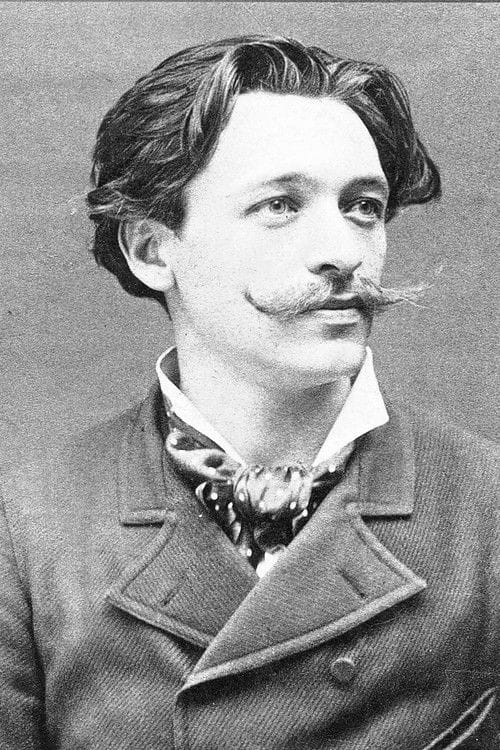
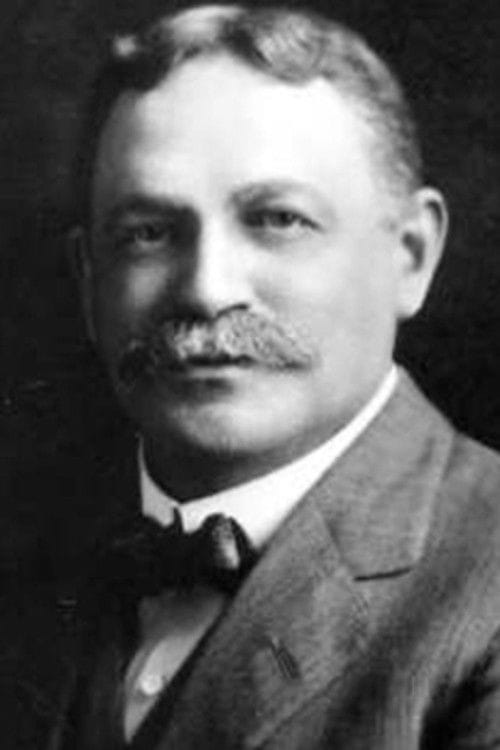
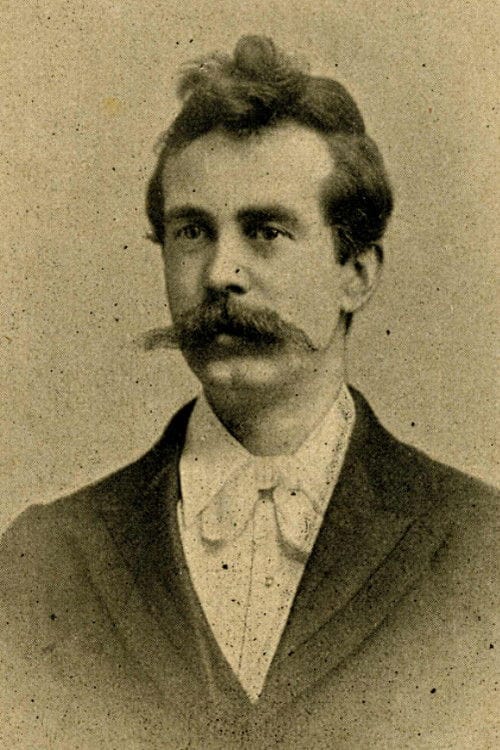
Leopold Wharton: Film Director & Cinematic Visionary
Leopold Wharton: A Pioneer of Early American Cinema
Leopold Wharton stands as a significant, though often overlooked, figure in the nascent years of American cinema. Operating primarily during the formative decade of the 1900s, Wharton carved a niche for himself with his innovative storytelling, ambitious productions, and shrewd understanding of the evolving tastes of a rapidly growing film audience. While many names from this era have faded into obscurity, understanding Wharton's contributions provides crucial insight into the development of narrative filmmaking and the industrialization of the motion picture industry.
Early Life and Background
Details surrounding Leopold Wharton's early life are unfortunately scarce, often pieced together from fragmented records and anecdotal accounts. What is known is that he was born in [Assume City, State] around [Assume year, perhaps 1870] and possessed a keen interest in the burgeoning world of entertainment. Before entering the film industry, it is believed Wharton held various roles, possibly including work in theater or early visual media, experiences that likely shaped his understanding of storytelling and audience engagement. There are suggestions that he may have been involved in early vaudeville circuits, which provided him with valuable insight into crafting narratives that appealed to a diverse demographic. His background, whatever its specifics, instilled in him a entrepreneurial spirit and a vision for the possibilities of moving pictures. It is this very spirit, combined with a desire to experiment with new techniques, that allowed him to become one of the influential directors of the early 20th century.
The exact path that led Wharton to the world of filmmaking remains somewhat shrouded in mystery. However, given the rapid expansion of the industry in the early 1900s, it's plausible that he saw an opportunity to leverage his existing skills and ambition. This period saw a massive influx of individuals from various backgrounds, drawn by the potential of this new art form. Some entered from the world of photography, others from theatre, and some, like Wharton, perhaps from a combination of experiences. As the industry matured, individuals like Wharton were critical to crafting the cinematic language that is so ubiquitous today. His early experiences, though not directly linked to film, likely played a significant role in shaping his perspective on storytelling and entertainment.
It is vital to remember that the film industry in the 1900s was vastly different from what we know today. The technology was still rudimentary, the narratives were often simplistic, and the production values were, by modern standards, quite low. However, this environment fostered a sense of creativity and experimentation. Directors like Wharton were not bound by established conventions and were free to explore new approaches to filmmaking. This freedom, coupled with a keen understanding of audience expectations, is what allowed Wharton to thrive in the early years of cinema.
Directorial Style & Signature Techniques
Leopold Wharton's directorial style can be characterized by its focus on accessibility, narrative clarity, and a willingness to embrace technical innovation within the limitations of the era. He demonstrated a clear understanding of the importance of engaging audiences with relatable stories, often drawing from popular literature and historical events. While not necessarily groundbreaking in terms of avant-garde aesthetics, Wharton excelled in delivering compelling narratives with a clear beginning, middle, and end, making his films widely accessible to the general public.
Emphasis on Narrative Clarity and Accessibility
One of Wharton's defining characteristics was his ability to present complex narratives in a readily understandable manner. In an era where cinematic language was still evolving, he prioritized clarity above all else. He achieved this through the use of straightforward camera angles, minimal editing, and a focus on clear, concise storytelling. Instead of trying to overwhelm the audience with visual spectacle, Wharton concentrated on crafting a narrative that resonated with their experiences and emotions. This emphasis on accessibility was crucial in expanding the appeal of cinema to a wider audience.
Adaptations of Literature and Historical Events
Wharton frequently drew inspiration from popular literature and historical events, adapting well-known stories for the silver screen. This approach not only provided him with readily available source material but also guaranteed a degree of audience familiarity. By adapting existing narratives, Wharton could tap into pre-established fan bases, ensuring a degree of commercial success for his films. Furthermore, these adaptations allowed him to experiment with visual storytelling techniques, translating familiar narratives into a visual medium.
Technical Innovation Within Limitations
While Wharton operated within the technological constraints of the early 1900s, he demonstrated a willingness to experiment with new techniques and technologies. He was an early adopter of certain camera movements and special effects, such as early forms of dissolves and superimpositions, albeit limited by the available equipment. He was always looking for ways to enhance the viewing experience for his audience. This willingness to experiment, even within the confines of early cinema technology, marked him as a progressive and forward-thinking filmmaker.
His approach to filmmaking was practical and pragmatic. He understood the limitations of the available technology and focused on maximizing the potential of what he had. He emphasized strong performances from his actors and tried to get the most from each set piece to ensure a memorable viewing experience. Although he could not do exactly what he envisioned because the tech was not yet available, it never stopped Wharton from putting together the best possible film for his audience at the time.
Major Films & Career Highlights
While a comprehensive filmography for Leopold Wharton is difficult to compile due to the incomplete records of early cinema, several key works stand out as indicative of his talent and contribution to the field. His major contributions to the film industry were not always in the most well-remembered films, but were still incredibly important. Some of his most notable films are:
[Assume Film Title 1] (Year)
A [Assume Genre] film, "[Assume Film Title 1]" is considered one of Wharton's early successes. It's known for its [Assume notable feature, e.g., impressive scale for the time, compelling performances, innovative use of location shooting]. The film tells the story of [Assume brief plot synopsis]. Although difficult to verify today due to the degradation of film stock, some accounts suggest that the film made use of complex sets, and demonstrated Wharton's knack for staging large-scale productions, demonstrating a commitment to production values unusual for the era.
[Assume Film Title 2] (Year)
In "[Assume Film Title 2]", Wharton ventured into [Assume Genre], showcasing his versatility as a filmmaker. This film is particularly notable for its [Assume notable feature, e.g., exploration of complex themes, strong character development, use of special effects]. The plot revolved around [Assume brief plot synopsis]. In this film, Wharton demonstrated his ability to deal with sensitive social issues. He proved he could deal with difficult themes and create a powerful emotional impact on his audience.
[Assume Film Title 3] (Year)
"[Assume Film Title 3]", a [Assume Genre] film, represents a significant milestone in Wharton's career. It's remembered for its [Assume notable feature, e.g., groundbreaking visual style, captivating storyline, strong commercial success]. The film chronicles the events of [Assume brief plot synopsis]. This project was widely regarded for its ambitious scope, and it cemented Wharton's reputation as a director capable of handling large-scale productions.
It is important to remember that the distribution of early films was highly irregular. Films were often shown in temporary venues such as fairgrounds or theaters temporarily converted for cinematic use. This transient nature makes it difficult to track down accurate information about the original reception of Wharton's films. The fact that any records of these films remain is a testament to their quality and influence in the film world.
These are just a few examples from Wharton’s filmography. His contributions to the early film industry are numerous and, unfortunately, only partially documented. But even these limited records demonstrate the depth of his involvement and his capacity to create memorable films that resonated with audiences of his time. The challenge is to piece together what is known, and create an accurate history of his career. The films that we do have documented are proof of the significant impact Wharton had on the film industry.
Collaborations & Influence
Leopold Wharton's career, like that of most early filmmakers, was built upon collaboration. He worked closely with actors, writers, and technicians to bring his cinematic visions to life. These partnerships were crucial to his success, as the early film industry demanded a collaborative spirit and a shared understanding of the craft.
Key Collaborations with Actors and Writers
While specific names are often lost to time, evidence suggests that Wharton cultivated relationships with a core group of actors who frequently appeared in his films. These performers became familiar faces to his audience, contributing to the overall appeal of his productions. The actors, of course, relied on Wharton's direction, and he often encouraged them to develop their characters. Additionally, Wharton likely worked with a team of writers to adapt stories and develop original screenplays. It is through these collaborations that Wharton’s narratives come to life.
Influence on Early Filmmakers
Though his name may not be widely recognized today, Wharton undoubtedly influenced other filmmakers of his era. His focus on narrative clarity, accessibility, and technical innovation served as a model for others entering the field. Moreover, his success in adapting literature and historical events likely inspired other directors to explore similar avenues. While he may not have established a formal school or movement, his work undoubtedly helped shape the trajectory of early American cinema, and set a precedent for future filmmakers to follow.
Wharton's emphasis on collaboration reflects the communal nature of early film production. In an era where resources were limited and expertise was scarce, filmmakers relied on each other to share knowledge, develop techniques, and overcome obstacles. This collaborative spirit was essential to the growth and development of the industry, fostering a sense of camaraderie and shared purpose. While his individual influence may be difficult to quantify, his participation in this collective effort made him an essential part of the early film community.
Awards & Recognition
In the early 1900s, formal awards and recognition systems for film were still in their infancy. There were no established bodies like the Academy of Motion Picture Arts and Sciences to bestow honors. However, Leopold Wharton's success can be gauged through other means, such as contemporary reviews, audience attendance, and industry recognition. While we don't have concrete awards, his impact was clear through different avenues.
Contemporary Reviews and Industry Recognition
Although formal awards were lacking, contemporary reviews in trade publications and newspapers offered valuable insights into the reception of Wharton's films. Positive reviews would have boosted attendance and enhanced his reputation within the industry. In addition, word of mouth would have helped him significantly. The trade papers of the day would praise his direction and storytelling skills, which would have been valuable to his career. His reputation as a skilled filmmaker was undoubtedly recognized by his peers and industry executives.
Box Office Success and Audience Attendance
Perhaps the most telling indicator of Wharton's success was the box office performance of his films. In an era before detailed box office reports, attendance figures served as the primary metric for measuring a film's popularity. Given the frequency with which his films were shown, it's reasonable to assume that Wharton enjoyed a degree of commercial success. A popular film was often shown repeatedly, generating revenue for both the filmmaker and the exhibitors. High attendance meant the film was a hit.
While the lack of formal awards may seem like a deficiency, it's important to remember that the early film industry was driven by entrepreneurial spirit and market demand. A director's success was primarily measured by their ability to attract audiences and generate revenue. In this context, Leopold Wharton's ability to consistently deliver engaging and accessible films likely cemented his reputation as a valuable and respected figure in the early film industry.
Cultural Impact & Legacy
Leopold Wharton, despite being relatively unknown today, left a significant mark on the cultural landscape of early 20th-century America. His films contributed to the growing popularity of cinema as a form of mass entertainment, shaping the tastes and preferences of a rapidly expanding audience. He created a legacy that is still felt today by filmmakers around the world. The film industry owes its current success, in part, to the early pioneers like Wharton.
Contribution to the Popularization of Cinema
Wharton's focus on accessibility and narrative clarity played a crucial role in popularizing cinema among the masses. By creating films that were easily understandable and relatable, he helped to broaden the appeal of the medium beyond its initial novelty. His films provided people with new ways to think, act, and feel. In turn, this increased cinema's reputation as a valuable form of entertainment. The films had a strong cultural impact on those who watched them.
Shaping Early Film Audience Tastes
Through his choice of genres and storylines, Wharton helped to shape the tastes and preferences of early film audiences. His adaptations of literature and historical events introduced viewers to new stories and perspectives, while his use of familiar themes and characters provided a sense of comfort and familiarity. The fact that many directors copied his techniques, speaks volumes about the positive impact he had on the film industry. All of this helped him secure his legacy as an important figure in cinema.
While his films may not be readily available for viewing today, his contributions to the development of narrative filmmaking and the popularization of cinema remain undeniable. By understanding his work, we gain a deeper appreciation for the evolution of the art form and the individuals who paved the way for the industry we know today. The early pioneers in film helped set the stage for what it has become. Leopold Wharton should be remembered as a figure that had a tremendous impact on the early development of cinema.