Léonce Perret: Film Director & Cinematic Visionary
Léonce Perret: A Pioneer of Early Cinema
Introduction & Early Life
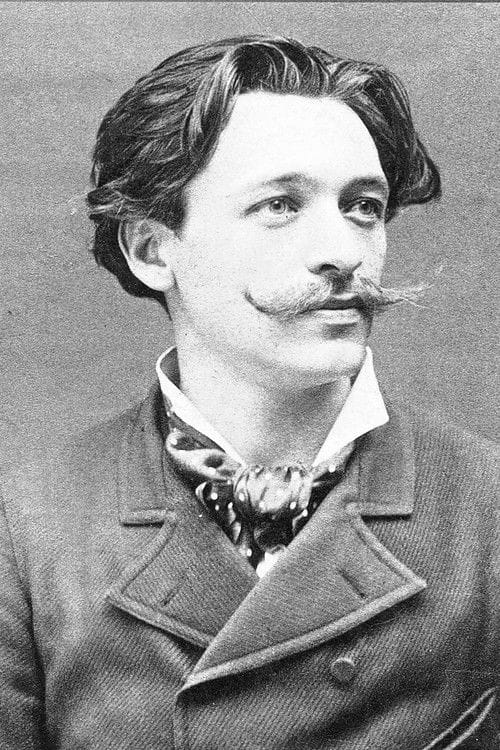
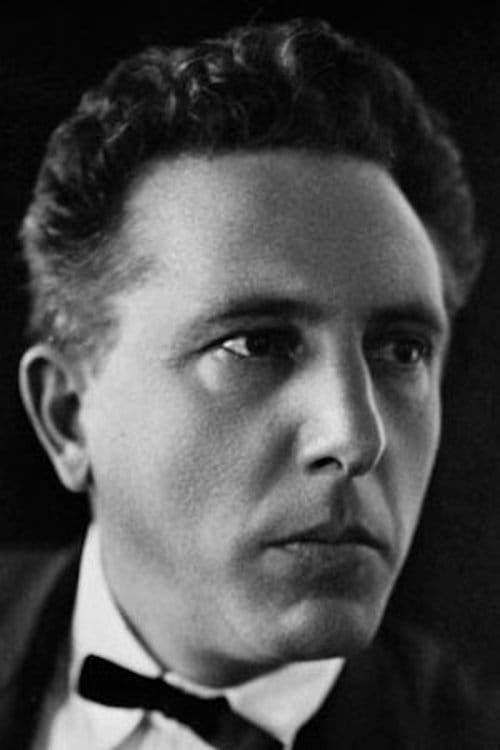
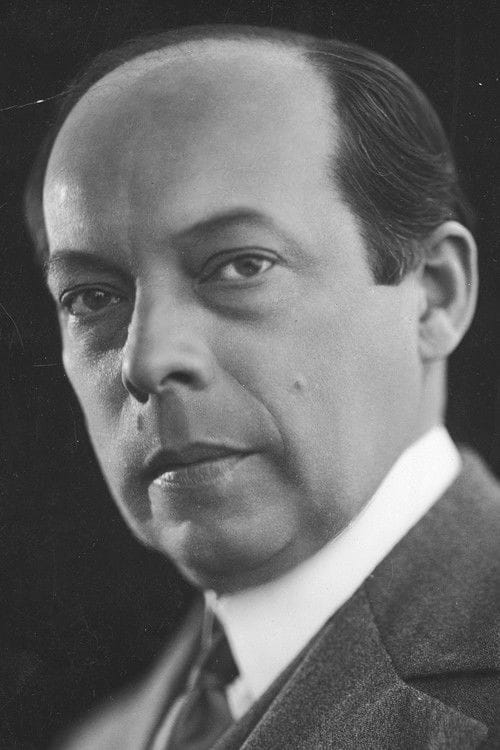
Léonce Perret (1880-1935) stands as a pivotal, though often overlooked, figure in the history of early cinema. A prolific French actor, director, screenwriter, and producer, Perret was a true cinematic innovator, shaping the grammar of film narrative during a period of rapid technological and artistic development. Active primarily between 1909 and the late 1920s, he bridged the gap between the theatrical staginess of early cinema and the more sophisticated, visually dynamic storytelling that would come to define the medium. Though overshadowed by some of his contemporaries, particularly those working in Hollywood, Perret’s contributions to film language, narrative structure, and acting techniques are undeniable and warrant a thorough reevaluation.
Born Léonce Gustave Perret in Niort, France, on February 14, 1880, his early life provides limited direct insight into the origins of his cinematic vision. Information regarding his childhood and formative years is scarce. However, it's known that he developed an early passion for the performing arts. Initially drawn to the stage, Perret embarked on an acting career, honing his skills in provincial theaters. This theatrical background proved invaluable as he transitioned to the nascent world of motion pictures. The precise details of his theatrical training and early roles remain somewhat obscure, but the experience undoubtedly instilled in him a deep understanding of performance, storytelling, and audience engagement – elements that would later become hallmarks of his directorial approach.
The burgeoning film industry in the early 1900s presented an alluring opportunity for performers and storytellers alike. The Pathé Frères studio, a dominant force in the global film market, beckoned talented individuals to join their ranks. Perret, recognizing the potential of this new medium, joined Pathé around 1909, initially working as an actor in short films. This initial exposure to the technical and creative processes of filmmaking ignited his ambition and fueled his desire to move beyond performance and take on directorial responsibilities. The rapid growth and experimentation within the French film industry at the time provided fertile ground for individuals like Perret to explore their artistic potential and contribute to the shaping of cinematic language.
Directorial Style & Signature Techniques
Léonce Perret’s directorial style was characterized by a pioneering spirit and a keen awareness of the evolving possibilities of the cinematic medium. He was not content with simply recording theatrical performances; instead, he actively explored the unique expressive potential of the camera and editing techniques. Perret's innovations contributed significantly to the development of film grammar as we know it today.
Visual Storytelling & Camera Movement
One of Perret's key contributions was his early adoption of camera movement to enhance storytelling. While many filmmakers of the era relied on static shots, Perret utilized panning and tilting to guide the viewer's eye and create a more dynamic visual experience. He also experimented with different camera angles and distances to convey specific emotions and perspectives. His understanding of composition and framing was exceptional, contributing to the visual beauty of his films. Instead of relying solely on intertitles, Perret allowed the camera to tell much of the story, showing emotional reactions and the subtext of events through visual cues. He understood that film was primarily a visual medium, and he used every available tool to maximize its impact.
Use of Close-Ups & Facial Expressions
Perret recognized the power of the close-up in conveying emotion and intimacy. He employed close-ups strategically to highlight actors' facial expressions and draw the audience into their inner worlds. This was a significant departure from the more theatrical acting styles prevalent in early cinema, where performers often relied on exaggerated gestures and broad movements. Perret encouraged his actors to deliver more nuanced and subtle performances, using their faces to communicate a range of emotions. His use of close-ups allowed the audience to connect with characters on a more personal level, fostering empathy and enhancing the emotional impact of the story.
Pace & Editing
While not as radical as some later filmmakers, Perret showed a developing understanding of pace and editing. He understood that editing could be used to control the rhythm of a scene and to create a sense of suspense or excitement. He used cuts to transition between different perspectives and to build tension, but his style wasn't characterized by the fast-paced editing often associated with later films. Instead, Perret was interested in crafting a visual flow that served the story, often using longer takes than were typical at the time to let the emotion of a scene play out.
Psychological Depth
Perret's films frequently delved into the psychological complexities of his characters. He explored themes of love, loss, betrayal, and redemption with a sensitivity and nuance that was rare in early cinema. He was interested in the motivations behind his characters' actions and the inner conflicts that drove them. This psychological depth helped to elevate his films beyond simple melodrama and to resonate with audiences on a more profound level.
Major Films & Career Highlights
Léonce Perret's filmography is extensive, comprising hundreds of shorts and features. While many of these films are now lost or difficult to access, several key works highlight his directorial talent and his contributions to the development of cinematic language. His career can be broadly divided into three main phases: his early work at Pathé Frères in France, his time in the United States during and after World War I, and his return to France in the 1920s.
Early French Period (Pathé Frères)
During his tenure at Pathé Frères, Perret directed and starred in a multitude of short films, showcasing his versatility and honing his craft. He worked within various genres, including comedies, dramas, and thrillers. One of his early successes was a series of films featuring the character "Léonce," in which he played a charming and resourceful protagonist. While these early films were relatively simple in narrative structure, they allowed Perret to experiment with visual storytelling and develop his comedic timing. He also began to explore more serious themes in films like *L'Enfant de Paris* (1913), which explored the hardships faced by children living in poverty.
American Period (World Film Corporation & Others)
World War I significantly impacted the European film industry, leading many filmmakers to seek opportunities in the United States. Perret arrived in America around 1917 and quickly established himself as a prominent director. His American films displayed a greater sophistication in terms of narrative complexity, character development, and visual style. *The Mysterious Champagne* (1917) showcased his talent for suspense and intrigue. *A Parisian Romance* (1916), with Billie Burke, was another major hit, showcasing Perret's ability to create captivating romantic dramas. *La Faute d'un Autre* (released in the US as *The Woman the Germans Shot*) was a powerful war drama that underscored the realities of wartime violence against civilians. During this period, he collaborated with prominent actors such as Mae Murray and Alice Joyce, further solidifying his reputation as a skilled director of actors.
Return to France (1920s)
In the 1920s, Perret returned to France, where he continued to direct films, although his work from this period is often considered less innovative than his earlier efforts. One notable film from this era is *Kœnigsmark* (1923), a lavish historical drama. He also explored contemporary social issues in films like *Madame Sans-Gêne* (1925). However, the French film industry was undergoing significant changes, and Perret's style, while still competent, began to feel somewhat outdated compared to the emerging avant-garde movements and the increasing influence of Hollywood. Despite this, he continued to work steadily until his death in 1935.
It is worth noting that many of Perret’s films are now considered lost. The preservation efforts for early cinema are ongoing, and future discoveries could shed further light on his extensive oeuvre.
Collaborations & Influence
Léonce Perret’s career was marked by significant collaborations with actors, writers, and technicians. These collaborations shaped his directorial vision and contributed to the overall quality of his films. His work, in turn, influenced many subsequent filmmakers, though his name is often omitted from standard film history narratives.
Key Collaborators
As mentioned, Perret worked with several prominent actors during his career, including Billie Burke, Mae Murray, and Alice Joyce. He was known for his ability to elicit strong performances from his actors, guiding them to deliver nuanced and emotionally resonant portrayals. He also collaborated with skilled cinematographers who helped him realize his visual ideas on screen. Though the specific names of these cinematographers are often lost to history, their contributions were essential to the overall aesthetic of Perret's films. His relationships with his crew members, particularly those involved in set design and costume design, were also crucial in creating the distinct atmosphere and visual style of his productions.
Influence on Other Filmmakers
While Perret's direct influence on later filmmakers is difficult to quantify due to the challenges of tracing early cinematic influences, his contributions to film language undeniably paved the way for future innovations. His use of camera movement, close-ups, and psychological depth in storytelling foreshadowed techniques that would become standard practice in filmmaking. While not always credited directly, elements of his style can be seen in the works of directors who followed him, particularly in those who sought to create more realistic and emotionally engaging narratives. His influence can be found in the transition from static tableau to dynamic cinematic storytelling.
The Problem of Attribution
One of the challenges in assessing Perret's influence is the lack of comprehensive film preservation and the relative obscurity of early cinema in mainstream film history. Many of his films are lost, and those that survive are often difficult to access. This makes it challenging to study his work in detail and to trace its impact on subsequent filmmakers. Furthermore, the collaborative nature of filmmaking makes it difficult to isolate the specific contributions of individual directors. Despite these challenges, it is clear that Léonce Perret was a significant figure in the development of early cinema and that his work deserves greater recognition.
Awards & Recognition
While Léonce Perret did not receive widespread acclaim in the form of major awards during his lifetime – a common fate for many filmmakers of his era – his contributions to the film industry were recognized within the professional circles of his time.
Contemporary Recognition
Reviews of his films in contemporary trade publications and newspapers often praised his innovative techniques and his ability to create compelling narratives. He was particularly lauded for his skill in directing actors and for his attention to visual detail. While he did not win any official awards ceremonies (which were less common in his era), his films were often commercially successful, indicating that he understood the tastes of his audience.
Posthumous Rediscovery
In recent years, there has been a growing interest in reevaluating the contributions of early filmmakers, including Léonce Perret. Film historians and scholars have begun to recognize his importance in the development of cinematic language and to acknowledge his pioneering spirit. While there have been no major posthumous awards or honors specifically dedicated to Perret, his work has been featured in film festivals and retrospectives, helping to bring his films to a wider audience. These screenings and discussions have contributed to a growing appreciation of his talent and his significance in film history. There is still work to be done in terms of restoring and preserving his films, but the increasing recognition of his contributions is a positive sign that his legacy will continue to grow.
Cultural Impact & Legacy
Léonce Perret’s cultural impact, though subtle compared to some of his contemporaries, lies in his significant contributions to the evolution of film language and storytelling. He helped to transform cinema from a mere novelty into a sophisticated art form capable of conveying complex emotions and narratives.
Shaping Cinematic Language
Perret's experiments with camera movement, close-ups, and editing techniques played a crucial role in shaping the grammar of film. He demonstrated the power of visual storytelling and helped to establish conventions that would become standard practice in the industry. His work paved the way for future filmmakers to explore the full potential of the cinematic medium.
Influencing Acting Styles
Perret's emphasis on nuanced performances and psychological depth influenced acting styles in early cinema. He encouraged his actors to move away from exaggerated gestures and theatrical mannerisms and to deliver more realistic and emotionally resonant portrayals. This shift towards more naturalistic acting helped to create a more immersive and engaging viewing experience for audiences.
A Pioneer Forgotten, but Not Lost
While Léonce Perret may not be a household name, his contributions to the development of cinema are undeniable. He was a pioneer who helped to shape the art form and to pave the way for future generations of filmmakers. His legacy lives on in the techniques and conventions that he helped to establish, and in the ongoing efforts to restore and preserve his films. As film history continues to be re-examined and re-evaluated, it is important to recognize the contributions of often-overlooked figures like Léonce Perret, who played a vital role in the evolution of this powerful and influential art form. He represents the spirit of innovation and experimentation that characterized the early years of cinema, and his work continues to inspire those who seek to push the boundaries of cinematic storytelling.