Joe May: Film Director & Cinematic Visionary
Joe May: A Pioneer of German Cinema's Golden Age
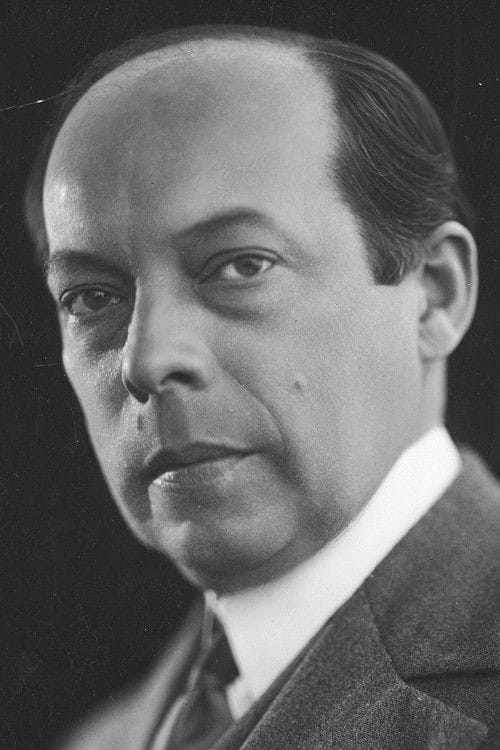
Joe May, a name perhaps less familiar to modern audiences than contemporaries like Fritz Lang or Ernst Lubitsch, stands as a towering figure in the early history of German cinema. Born Julius Otto Mandl in Vienna, Austria-Hungary, in 1880, May was a prolific director, producer, and screenwriter whose career spanned the silent era, the rise of sound, and the tumultuous years leading up to World War II. While his later Hollywood career was less impactful than his groundbreaking work in Germany, his influence on the development of genre filmmaking, particularly the adventure serial and the sophisticated melodrama, is undeniable. This biography delves into May's extraordinary life and career, examining his distinctive directorial style, his most significant films, and his lasting legacy on the world of cinema.
Early Life and Career Beginnings
Julius Mandl's path to filmmaking was not immediately apparent. He initially pursued studies in engineering, reflecting a pragmatic approach to his future. However, his interests soon shifted towards the burgeoning world of entertainment. He found early work in theater, gaining experience as an actor and eventually as a director. This theatrical background proved invaluable as he transitioned to the new medium of film. The early years of cinema were a Wild West of experimentation, and May was eager to explore its possibilities. He recognized the potential of film to reach vast audiences and to tell stories in ways that traditional theater could not.
Before fully embracing the cinematic world, Mandl dabbled in the circus world, demonstrating a restless spirit and a thirst for diverse experiences. This early exposure to spectacle and performance undoubtedly influenced his later cinematic choices, particularly his penchant for elaborate sets, dramatic staging, and visually arresting sequences. The transition from the stage to the screen was a natural one for May, as he brought with him a keen understanding of storytelling, character development, and the power of visual communication. He adopted the name Joe May, a more streamlined and marketable moniker, as he embarked on his filmmaking journey. The change of name was symbolic of his reinvention and his commitment to the new art form.
May's early film work was characterized by a sense of adventure and a willingness to experiment with different genres. He quickly established himself as a versatile and capable filmmaker, directing a range of films, from comedies and melodramas to crime thrillers and adventure serials. These early films provided him with the opportunity to hone his skills, develop his signature style, and build a reputation as a reliable and innovative director. He quickly gained a loyal following of actors and crew members who appreciated his professionalism, his creativity, and his unwavering commitment to quality.
Directorial Style & Signature Techniques
Joe May's directorial style, particularly evident during his German period, was characterized by a meticulous attention to detail, a mastery of visual storytelling, and a sophisticated understanding of genre conventions. He was a true auteur, overseeing every aspect of his productions, from the script to the set design to the final edit. His films are notable for their lavish sets, elaborate costumes, and stunning visual effects, all of which contributed to a sense of grandeur and spectacle. May was a master of creating immersive and believable worlds for his characters to inhabit.
Visual Storytelling and Mise-en-Scène
May understood the power of visual storytelling, using camera angles, lighting, and composition to convey emotion and advance the narrative. He was particularly adept at creating suspenseful and dramatic sequences through carefully crafted mise-en-scène. The arrangement of actors and objects within the frame was meticulously planned to create a sense of depth, perspective, and visual interest. He frequently employed long takes and fluid camera movements to draw the viewer into the action and to create a sense of realism. His films are a testament to the power of visual communication and the ability of cinema to transport audiences to other worlds.
Genre Innovation and Hybridity
While May worked across a variety of genres, he was particularly influential in the development of the adventure serial and the sophisticated melodrama. He often blended elements of different genres, creating hybrid works that were both entertaining and thought-provoking. For example, his adventure serials often incorporated elements of romance, comedy, and social commentary. This willingness to experiment with genre conventions allowed him to create films that were both familiar and innovative, appealing to a wide range of audiences. He didn't shy away from social commentary either; often weaving subtle critiques of societal norms and prejudices into his narratives, making his films resonate beyond mere entertainment.
Emphasis on Production Value
May was a firm believer in the importance of production value. He understood that a film's visual appeal could significantly enhance its impact on the audience. He consistently invested in high-quality sets, costumes, and special effects, creating a sense of realism and spectacle that set his films apart from the competition. His commitment to quality was evident in every aspect of his productions, from the casting of talented actors to the meticulous attention to detail in the set design. This dedication to production value helped to establish his reputation as a reliable and innovative filmmaker.
Major Films & Career Highlights
Joe May's filmography is extensive, but several films stand out as particularly significant, representing his artistic range and his contribution to the development of German cinema. These films showcase his ability to blend genres, create visually stunning worlds, and tell compelling stories that resonated with audiences of the time.
The Secret of Asra (1919)
This four-part adventure serial is considered one of May's masterpieces. The Secret of Asra exemplified the cliffhanger style, and featured Mia May (Joe May's wife) who was often the focal point of his films. The story is a gripping tale of intrigue, exotic locales, and the search for a lost treasure. The film's elaborate sets, exotic costumes, and thrilling action sequences captivated audiences and helped to solidify May's reputation as a master of the adventure genre.
Veritas Vincit (1919)
This film, also featuring Mia May, is a historical epic that tells the story of Jan Hus, a Czech religious reformer who was burned at the stake for heresy. Veritas Vincit is a visually stunning and emotionally powerful film that explores themes of religious intolerance, political corruption, and the struggle for freedom of thought. The film's elaborate sets, costumes, and crowd scenes are a testament to May's mastery of large-scale productions.
The Indian Tomb series (1921)
Although the remakes by Fritz Lang are better known today, May originally directed the first two films in The Indian Tomb series, The Tiger of Eschnapur and The Indian Tomb. These films, also starring Mia May, are exotic adventure stories set in India. They are filled with colorful characters, stunning visuals, and thrilling action sequences. May's masterful use of location shooting, combined with his meticulous attention to detail, helped to create a truly immersive and believable experience for the audience. The films' success cemented May's reputation as a master of the adventure genre and helped to popularize the exotic adventure film in Germany and beyond.
Later Career and Hollywood
While his early silent work represents the peak of his artistic achievements, May continued to work in cinema throughout his life. He directed several notable sound films in Germany before emigrating to the United States in the 1930s, fleeing the rise of Nazi power. His Hollywood career, however, was less successful than his German period. He directed several B-movies and genre pictures, but never achieved the same level of critical acclaim or commercial success that he had enjoyed in Germany. Despite this, he continued to work steadily, directing films such as Confession (1937) and The House of Fear (1939), showcasing his enduring talent and his dedication to the art of filmmaking. While the final act of his career didn't match his earlier triumphs, he remained a working director until his retirement.
Collaborations & Influence
Joe May's career was marked by fruitful collaborations with a number of talented actors, writers, and technicians. His close working relationship with his wife, actress Mia May, was particularly significant. Mia May starred in many of his most successful films, becoming a major star in her own right. Her beauty, talent, and on-screen charisma helped to elevate May's films and to attract large audiences. Their collaboration was a cornerstone of German cinema during the silent era.
Key Collaborators
Beyond his wife, May frequently worked with writers like Fritz Lang (before Lang's own directorial career took off) and Thea von Harbou (who also collaborated extensively with Lang). These writers helped to shape the narratives of his films, bringing their own unique perspectives and talents to the projects. He also fostered strong relationships with cinematographers and set designers, creating a stable and reliable team that allowed him to consistently produce high-quality work. His films benefited from the contributions of these talented individuals, who helped to bring his vision to life on the screen.
Influence on Genre Filmmaking
May's influence on the development of genre filmmaking, particularly the adventure serial and the sophisticated melodrama, is undeniable. His films helped to popularize these genres and to establish many of the conventions that would later be adopted by other filmmakers. His emphasis on visual storytelling, his meticulous attention to detail, and his willingness to experiment with different narrative structures paved the way for future generations of filmmakers to explore the possibilities of genre cinema. He created an important space for genre experimentation and contributed significantly to popular cinema.
Awards & Recognition
While formal award ceremonies as we know them today were not as prevalent during the early silent era, Joe May's work was widely recognized and celebrated by audiences and critics alike. His films were often praised for their visual spectacle, their compelling narratives, and their high production values. He achieved significant commercial success, attracting large audiences to his films and establishing himself as one of the leading directors in German cinema.
Critical Acclaim During His Time
Contemporary reviews of his films often highlighted his technical skill, his ability to create believable worlds, and his talent for directing actors. His films were seen as innovative and entertaining, and he was widely regarded as a master of his craft. This critical acclaim helped to solidify his reputation as a leading filmmaker and to attract the attention of studios and producers. While no formal "Best Director" awards existed, May consistently earned acclaim for his work.
Rediscovery and Retrospective Appreciation
In recent years, there has been a growing appreciation for Joe May's work among film historians and cinephiles. His films have been rediscovered and restored, and his contributions to the development of German cinema have been re-evaluated. Scholars have recognized his importance as a pioneer of genre filmmaking and his influence on subsequent generations of directors. Film festivals and retrospectives have helped to bring his work to a wider audience, ensuring that his legacy will continue to be celebrated for years to come.
Cultural Impact & Legacy
Joe May's cultural impact extends beyond his individual films. He played a significant role in shaping the landscape of German cinema during its Golden Age, contributing to the development of a thriving film industry that rivaled Hollywood in terms of creativity and innovation. His films helped to define the aesthetic of German cinema during this period, characterized by its visual sophistication, its narrative complexity, and its willingness to experiment with different genres.
Shaping German Cinema's Golden Age
May's influence can be seen in the work of many other German filmmakers of the time, including Fritz Lang, F.W. Murnau, and Ernst Lubitsch. These directors, along with May, helped to establish German cinema as a major force in the international film community. His willingness to take risks and experiment with different styles helped to pave the way for other directors to explore the possibilities of the medium and to push the boundaries of cinematic storytelling. He helped to create a climate of creativity and innovation that allowed German cinema to flourish.
Enduring Themes and Techniques
While his Hollywood career was less stellar, his pioneering work in German cinema left an indelible mark. He influenced the way that adventure and melodrama were approached, and his emphasis on visual storytelling and high production value continues to resonate with filmmakers today. Modern directors who embrace genre filmmaking and who strive to create immersive and believable worlds for their characters owe a debt to Joe May, a true pioneer of the cinematic art form. Even modern serial television owes some of its DNA to May's early work.