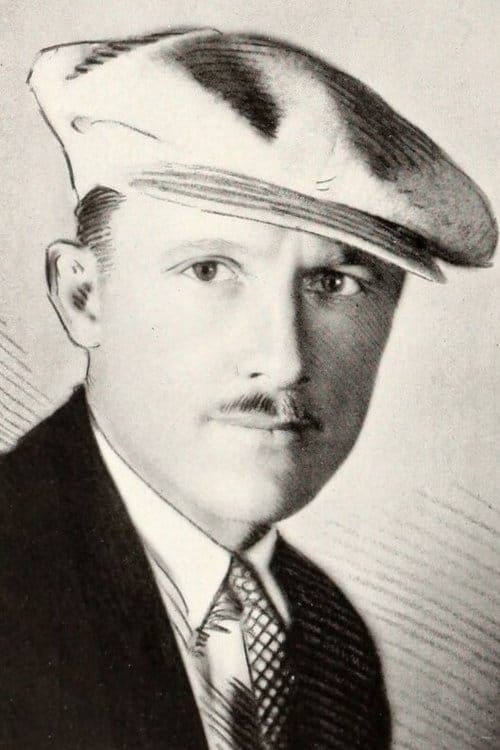
Irvin Willat: Film Director & Cinematic Visionary
Irvin Willat: A Forgotten Giant of Silent Cinema
Introduction & Early Life
Irvin Willat, a name largely absent from contemporary film discourse, stands as a pivotal figure in the formative years of American cinema. Born in Stamford, Connecticut on November 18, 1890, Willat's journey from a curious youth to a celebrated film director epitomizes the rapid growth and evolution of the film industry during the 1910s and 1920s. His career, though tragically cut short, left an indelible mark on silent film, particularly in the realms of adventure, drama, and visual storytelling.
Little is known about Willat's early childhood and upbringing. Records indicate a stable, middle-class upbringing, but details about his education and formative influences remain sparse. However, it's clear that he possessed a keen interest in the burgeoning world of photography and moving pictures. As a young man, drawn by the promise of opportunity and the lure of the West, Willat migrated to California. This decision proved to be a turning point, placing him at the epicenter of the burgeoning film industry in Hollywood.
The nascent film industry offered a myriad of opportunities for ambitious individuals, regardless of their formal training. Willat entered the cinematic landscape during its infancy, initially working in various capacities, including as a camera operator and assistant director. This hands-on experience proved invaluable, providing him with a comprehensive understanding of the technical and artistic aspects of filmmaking. He quickly demonstrated a natural aptitude for visual storytelling and a strong work ethic, qualities that would soon propel him into the director's chair.
The early days of filmmaking were marked by experimentation and innovation. Directors were constantly pushing the boundaries of the medium, developing new techniques and visual styles. Willat thrived in this environment, embracing the challenges and opportunities that came with creating art in a rapidly evolving industry. His early experiences laid the foundation for his distinctive directorial style, characterized by its emphasis on visual dynamism, realistic portrayals, and a keen sense of pacing.
Directorial Style & Signature Techniques
Irvin Willat's directorial style was characterized by a commitment to realism, visual dynamism, and effective pacing. He distinguished himself from many of his contemporaries by focusing on creating immersive experiences for the audience, utilizing innovative camera techniques and emphasizing authentic performances. His films are noted for their realistic settings, whether it be the rugged wilderness of the West or the bustling streets of a modern city.
Visual Storytelling
Willat understood the power of visual storytelling, and he masterfully employed cinematic techniques to convey emotion and advance the narrative. He was particularly adept at using camera angles and movement to create a sense of dynamism and tension. His films often feature sweeping landscapes and dynamic action sequences, captured with a keen eye for composition and detail. He was also an early adopter of deep focus, allowing him to create a sense of depth and realism in his scenes.
Realistic Portrayals
Unlike some directors of the era who favored theatrical or melodramatic acting styles, Willat prioritized naturalistic performances. He worked closely with his actors to elicit authentic emotions and believable portrayals. This emphasis on realism extended to his casting choices, often selecting actors who possessed physical characteristics that aligned with their roles. His commitment to authenticity enhanced the audience's engagement with the story and made his films more relatable.
Pacing and Editing
Willat possessed a keen sense of pacing, skillfully controlling the rhythm of his films to create suspense, excitement, or emotional resonance. He understood the importance of editing in shaping the audience's experience, and he collaborated closely with his editors to create a seamless and engaging flow. His films are known for their brisk pacing, avoiding unnecessary exposition and keeping the audience engaged from beginning to end.
Use of Location Shooting
A hallmark of Willat's style was his frequent use of location shooting. Rather than relying solely on studio sets, he preferred to film in real-world environments, adding a layer of authenticity to his films. This commitment to location shooting often presented logistical challenges, but Willat believed that the added realism was worth the effort. He was particularly fond of filming in the rugged landscapes of the American West, which provided a dramatic backdrop for his adventure stories.
Major Films & Career Highlights
Irvin Willat's filmography, though relatively short compared to some of his contemporaries, is filled with notable works that showcase his directorial talent and innovative techniques. His most significant contributions lie within the genres of adventure, drama, and Westerns, where he demonstrated his ability to create compelling narratives and visually stunning sequences.
The False Faces (1919)
Often considered one of Willat's most ambitious and visually impressive films, The False Faces is a spy thriller set during World War I. This Paramount Pictures production starred Lon Chaney and Henry B. Walthall, and it showcased Willat's ability to create suspenseful action sequences and complex characters. The film was notable for its elaborate sets, dynamic camera work, and the effective use of special effects, which were groundbreaking for the time. The False Faces was a critical and commercial success, further solidifying Willat's reputation as a leading director.
Rimrock Jones (1920)
This Western adventure, starring Ashton Dearholt, exemplifies Willat's skill in capturing the rugged beauty of the American West. Rimrock Jones is a story of redemption, following a reformed outlaw who must confront his past. Willat used location shooting to great effect, showcasing the vast landscapes and creating a sense of authenticity. The film was praised for its realistic portrayal of life on the frontier and its compelling characters.
Down to Earth (1917)
A lighthearted comedy starring Douglas Fairbanks, Down to Earth highlights Willat's versatility as a director. Fairbanks plays a wealthy young man who learns the value of hard work after being forced to live among the working class. Willat brought a playful energy to the film, creating a charming and entertaining story that resonated with audiences. The film's success demonstrated Willat's ability to handle a variety of genres and work effectively with different types of actors.
The Grim Game (1919)
This film is notable primarily for featuring Harry Houdini in one of his few starring roles. While Houdini's escape artistry was the main draw, Willat's direction helped to create a suspenseful and engaging narrative. The film combined elements of mystery, action, and romance, showcasing Willat's ability to blend different genres effectively. The Grim Game was a commercial success, thanks to Houdini's popularity, and it further enhanced Willat's reputation as a director who could deliver crowd-pleasing entertainment.
The Sea Rider (1921)
A swashbuckling adventure set on the high seas, The Sea Rider demonstrates Willat's mastery of visual storytelling. The film features thrilling action sequences, exotic locations, and a compelling love story. Willat used innovative camera techniques to capture the drama of life at sea, creating a visually stunning and exciting film that appealed to a wide audience.
Collaborations & Influence
Irvin Willat's career was marked by collaborations with some of the most prominent figures in early Hollywood. His partnerships with actors like Douglas Fairbanks, Lon Chaney, and Harry Houdini, as well as influential producers and cinematographers, played a crucial role in shaping his directorial style and ensuring the success of his films.
Working with Actors
Willat was known for his ability to elicit strong performances from his actors. He had a particularly successful working relationship with Douglas Fairbanks, directing him in several popular films. He also worked effectively with character actors like Lon Chaney, drawing out nuanced and memorable performances. His collaborations with Houdini, while primarily driven by the magician's star power, also showcased Willat's ability to create engaging narratives around larger-than-life personalities.
Influence on Cinematography
While Willat himself was the director, he clearly understood the importance of cinematography. He worked with some of the best cinematographers of the era, including Walter Stradling and Guy Wilky, to create visually stunning films. His emphasis on location shooting and dynamic camera work influenced the visual style of many films that followed. His focus on realism and naturalism also helped to shape the evolution of cinematic storytelling.
Impact on Other Directors
Though his name is less well-known today, Willat's work undoubtedly influenced other directors of the silent era. His emphasis on visual storytelling, realistic portrayals, and dynamic pacing helped to establish new standards for filmmaking. His innovative use of camera techniques and his commitment to location shooting inspired many of his contemporaries to push the boundaries of the medium.
Awards & Recognition
While formal award ceremonies as we know them today were not yet established during the peak of Willat's career, his success was measured through critical acclaim and commercial success. His films were consistently praised for their innovative techniques, engaging narratives, and high production values. He received positive reviews in leading film trade publications, such as *Motion Picture News* and *Variety*, which helped to solidify his reputation as a leading director.
The box office success of his films also served as a form of recognition. His collaborations with stars like Douglas Fairbanks and Harry Houdini were particularly lucrative, demonstrating his ability to create films that resonated with a wide audience. The commercial success of his films allowed him to secure funding for future projects and continue to innovate within the medium.
Though lacking formal awards, Willat's enduring legacy is a testament to his talent and contribution. Film historians now recognize him as a key figure in the development of silent cinema and a director whose work deserves greater attention and appreciation.
Cultural Impact & Legacy
Irvin Willat's contribution to the early film industry extended beyond individual films; he helped shape the visual language of cinema and influenced the evolution of storytelling techniques. His commitment to realism, his innovative use of camera work, and his emphasis on pacing all contributed to the development of a more sophisticated and engaging cinematic experience.
Shaping Visual Storytelling
Willat's pioneering work in visual storytelling had a lasting impact on the film industry. His films demonstrated the power of cinema to convey emotion and advance the narrative through purely visual means. His innovative use of camera angles, movement, and editing techniques helped to establish new standards for visual communication in film.
Preserving and Rediscovering His Work
Despite his significant contributions, Irvin Willat's work has been largely overlooked in contemporary film studies. Many of his films have been lost or damaged over time, making it difficult for modern audiences to fully appreciate his talent. However, efforts are underway to preserve and restore his surviving films, ensuring that his legacy is not forgotten.
A Lasting Influence
Irvin Willat's legacy lies in his pioneering spirit, his commitment to innovation, and his ability to create compelling and visually stunning films. He was a true artist who helped to shape the early days of cinema and whose work continues to inspire filmmakers today. By recognizing and celebrating his contributions, we can gain a deeper understanding of the history of film and the evolution of cinematic storytelling.