Holger-Madsen: Film Director & Cinematic Visionary
Holger-Madsen: A Pioneer of Danish Silent Cinema
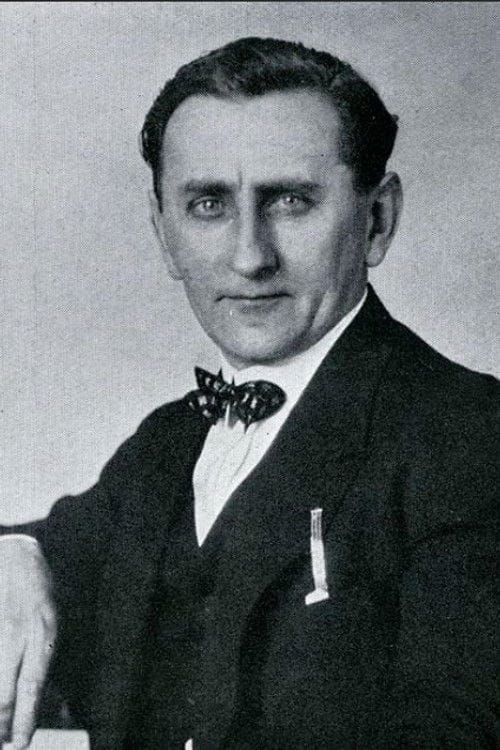
Holger-Madsen stands as a pivotal figure in the burgeoning Danish cinema of the 1910s. A director, screenwriter, and actor, he navigated the complex and rapidly evolving landscape of early filmmaking with a unique vision, contributing significantly to the Golden Age of Danish Silent Film. While overshadowed by some of his contemporaries in modern historical narratives, Madsen's prolific output and innovative techniques cemented his place as a true pioneer, shaping the aesthetics and narrative conventions of early cinema.
Introduction & Early Life
Born in Copenhagen, Denmark, on April 11, 1878, Holger-Madsen's early life offered little indication of the profound impact he would have on the cinematic arts. Details regarding his family background and childhood are scarce, often relegated to brief mentions in biographical sketches. However, it is known that he initially pursued a career unrelated to the arts, hinting at a path far removed from the glamorous world of filmmaking. He worked initially as a lawyer, however, his keen eye for storytelling eventually drew him towards the theater. The specific circumstances that led to his transition to the entertainment industry remain somewhat shrouded in mystery, but it is clear that a deep-seated passion for narrative and performance ultimately propelled him toward his destiny.
Madsen's foray into the entertainment world began with stage acting. He honed his skills on the Danish stage, gaining valuable experience in character development and storytelling before transitioning into the nascent film industry. This theatrical background profoundly influenced his directorial style, instilling in him a deep appreciation for performance and visual staging. The transition from stage to screen was a common path for many early filmmakers, as the technical aspects of cinema were still being developed, and the reliance on established theatrical techniques was paramount.
By the early 1910s, Danish cinema was experiencing an unprecedented boom, fueled by the success of Nordisk Film, a company that quickly rose to international prominence. This fertile ground provided a unique opportunity for aspiring filmmakers like Madsen. In 1913, he joined Nordisk Film, marking a turning point in his career and the beginning of his prolific output as a director. He quickly established himself as a reliable and innovative filmmaker, capable of handling a wide range of genres and themes. His ability to work within the constraints of the silent film medium, while simultaneously pushing its boundaries, solidified his position as a key figure in the Golden Age of Danish cinema.
Directorial Style & Signature Techniques
Holger-Madsen's directorial style was characterized by a distinctive blend of theatrical sensibilities, visual experimentation, and a deep understanding of audience engagement. His theatrical background heavily influenced his staging, often employing carefully arranged compositions and dramatic blocking to emphasize emotional intensity and narrative clarity. He understood the power of visual storytelling, utilizing lighting and camera angles to create atmosphere and guide the audience's eye.
Master of Melodrama and Spectacle
Madsen was adept at crafting compelling melodramas, exploring themes of love, loss, betrayal, and redemption with a heightened emotional intensity. He understood how to evoke powerful emotions in his audience through nuanced performances, dramatic lighting, and carefully constructed narratives. His melodramas often featured strong female characters facing difficult choices, reflecting the changing social landscape of the time. Simultaneously, Madsen displayed an aptitude for large-scale historical epics. His war films, in particular, stand out for their ambitious scope and visual grandeur, attempting to realistically depict battle scenes and the human cost of conflict.
Innovation with Visual Storytelling
Despite the technological limitations of the era, Madsen experimented with various cinematic techniques to enhance the storytelling experience. He employed innovative camera angles and movements to create dynamic compositions and build suspense. He was also a master of using lighting to create atmosphere and highlight key elements of the scene. These techniques, while rudimentary by modern standards, were groundbreaking at the time and contributed to the development of cinematic language.
Psychological Depth and Symbolic Representation
Beyond the melodrama and spectacle, Madsen also demonstrated an interest in exploring the psychological depths of his characters. His films often delved into the inner turmoil and motivations of his protagonists, providing a more nuanced understanding of their actions. He also employed symbolic representation to convey complex themes and ideas, using visual motifs and allegorical imagery to enrich the narrative.
Key aspects of his style include:
- **Theatrical staging:** Careful arrangement of actors and props to create visually compelling compositions.
- **Dramatic lighting:** Use of light and shadow to create atmosphere and emphasize emotional moments.
- **Expressive performances:** Reliance on actors to convey emotions through physicality and facial expressions.
- **Innovative camera angles:** Experimentation with different perspectives to enhance visual storytelling.
- **Symbolic representation:** Use of visual motifs and allegorical imagery to convey complex themes.
Major Films & Career Highlights
Holger-Madsen's filmography is extensive, encompassing a wide range of genres and themes. While many of his films are now lost or difficult to access, those that survive offer a valuable glimpse into his artistic vision and the evolution of early cinema. He directed over 60 films in a career spanning just over a decade.
*Himmelskibet* (The Sky Ship) (1918)
Perhaps Madsen's most enduring and internationally recognized work, *Himmelskibet* is a landmark science fiction film that stands as a testament to his visionary filmmaking. The film tells the story of a young man who travels to Mars in a spaceship, where he encounters a peaceful and utopian society. *Himmelskibet* is notable for its optimistic vision of the future, its pacifist message, and its innovative special effects, which were groundbreaking for the time. The film's influence can be seen in later science fiction works, and it remains a significant example of early cinema's ability to explore complex social and philosophical themes.
*Nedbrudte nerver* (Shattered Nerves) (1923)
After a period away from directing, *Nedbrudte nerver* showed that Madsen was still capable of delivering compelling cinematic experiences. This film examined themes of mental health and societal pressures, displaying a psychological depth not always seen in his previous works.
Other Notable Films
While *Himmelskibet* remains his most famous work, Madsen directed numerous other films that deserve recognition. These include:
- *Pax æterna* (1917): Another anti-war film, promoting the idea of universal peace.
- *Evangeliemandens Liv* (The Evangelist's Life) (1915): A religious drama showcasing Madsen's versatility.
- *Die Lieblingsfrau des Maharadscha* (1916): A German production, demonstrating his international appeal.
These films showcase Madsen's ability to work across genres, from melodramas and historical epics to science fiction and social dramas. His willingness to experiment with different narrative structures and visual techniques contributed to the development of early cinema's artistic vocabulary.
Collaborations & Influence
Holger-Madsen's career was marked by significant collaborations with other key figures in the Danish film industry. He frequently worked with prominent actors and actresses, including Gunnar Tolnæs, Olaf Fønss, and Lili Bech, who brought his characters to life with their expressive performances. These collaborations were essential in shaping the emotional impact of his films and engaging audiences on a deeper level.
His work at Nordisk Film also placed him in close contact with other talented directors, cinematographers, and writers. This collaborative environment fostered a spirit of experimentation and innovation, contributing to the overall quality of Danish cinema during its Golden Age. While the specific details of these collaborations are often difficult to reconstruct, it is clear that Madsen benefited from the collective creativity of the Nordisk Film studio.
Influence on Later Filmmakers
Holger-Madsen's influence on later filmmakers is more difficult to trace directly, but his contributions to the development of cinematic language and storytelling techniques undoubtedly had a lasting impact. His pioneering work in science fiction, particularly *Himmelskibet*, inspired later generations of filmmakers to explore the possibilities of the genre. His use of visual storytelling and his exploration of complex social and philosophical themes also paved the way for more sophisticated and thought-provoking cinema.
Furthermore, his anti-war sentiments, poignantly expressed in his films, helped shape the conversation around warfare and its human cost. His humanist perspective resonated with audiences and influenced filmmakers who sought to use cinema as a platform for social commentary.
Awards & Recognition
While awards ceremonies were not as prevalent during the silent film era as they are today, Holger-Madsen's work was recognized and celebrated during his lifetime. His films were commercially successful and received positive critical attention in Denmark and abroad. He was considered a respected and influential figure in the Danish film industry, and his contributions were acknowledged by his peers.
Specific awards or official accolades are difficult to document definitively, but the widespread popularity of his films and the positive critical reception they received serve as evidence of his talent and impact. He was a sought-after director, and his films were distributed internationally, bringing Danish cinema to a global audience.
The continued interest in his work among film historians and scholars is a testament to his enduring legacy. His films are studied and analyzed for their artistic merit, their historical significance, and their contributions to the development of cinematic language. The rediscovery and restoration of his films have further cemented his place as a key figure in the history of Danish cinema.
Cultural Impact & Legacy
Holger-Madsen's cultural impact extends beyond his specific films. He played a crucial role in establishing Danish cinema as a force to be reckoned with on the international stage. His success helped to attract talent to the industry and paved the way for future generations of Danish filmmakers. His contributions to the development of cinematic language and storytelling techniques also had a lasting impact on the evolution of the art form.
His pacifist themes and social commentary resonated with audiences in a world grappling with the aftermath of World War I. His films offered a vision of hope and peace, promoting universal values and challenging the prevailing attitudes of the time. His commitment to using cinema as a platform for social change solidified his place as a socially conscious filmmaker.
While his name may not be as widely recognized as some of his contemporaries, Holger-Madsen's legacy as a pioneer of Danish silent cinema is undeniable. His innovative techniques, his diverse filmography, and his commitment to social commentary have ensured that his work continues to be studied and appreciated by film historians and enthusiasts alike. He remains a vital figure in the history of Danish cinema, and his contributions to the art form continue to inspire and inform filmmakers today. The restoration efforts to preserve his existing works are vital to ensuring his legacy endures for generations to come.