Henry Otto: Film Director & Cinematic Visionary
Henry Otto: A Pioneer of Early American Cinema
Introduction & Early Life
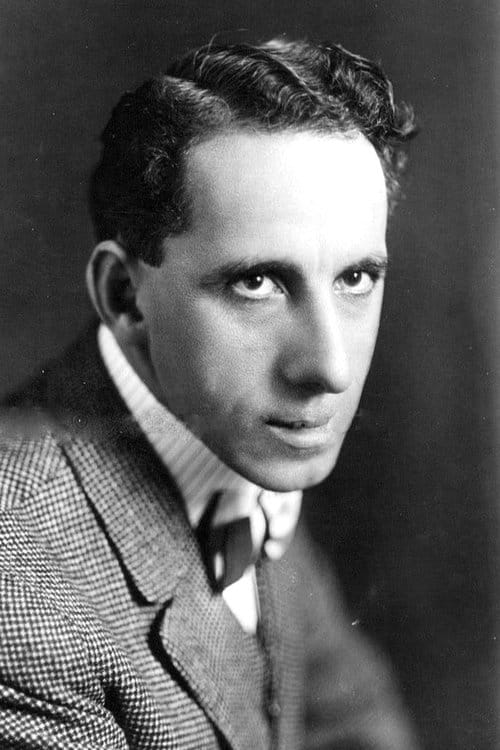
Henry Otto (born Henry Otto Reinboldt, August 8, 1877, in St. Louis, Missouri; died August 3, 1952, in Los Angeles, California) was a pivotal figure in the formative years of American cinema. While his name may not be as widely recognized today as those of D.W. Griffith or Cecil B. DeMille, Otto’s contributions to the development of film narrative, acting styles, and production techniques during the 1910s were substantial. He was a prolific director, responsible for helming dozens of films, primarily Westerns, dramas, and comedies, during the transition from short films to feature-length productions. He bridges the gap between the earliest, often rudimentary, cinematic storytelling and the more sophisticated narratives that would characterize the Golden Age of Hollywood.
Otto’s early life provides a glimpse into the world that shaped his artistic sensibilities. Growing up in St. Louis, a burgeoning industrial and cultural hub, he was exposed to a variety of artistic influences. Details about his specific childhood education remain scant, but it's clear that he developed a strong interest in performance and storytelling. Before venturing into filmmaking, Otto gained experience as a stage actor. This background proved invaluable, equipping him with a deep understanding of dramatic structure, character development, and the art of engaging an audience. His theatrical roots would profoundly influence his approach to directing actors in the nascent medium of film. The stage provided a crucial training ground, allowing him to hone his skills in eliciting compelling performances and crafting visually dynamic scenes within a confined space, techniques that would later translate to the silver screen.
The burgeoning film industry, with its promise of innovation and creative expression, drew Otto westward. He arrived in Hollywood during its formative years, a time of experimentation and rapid growth. The allure of this new medium was irresistible to artists from various backgrounds, including theatre, vaudeville, and literature. Otto, with his stage experience and inherent storytelling ability, was perfectly positioned to contribute to the burgeoning art form. His timing was impeccable, allowing him to learn the ropes from the ground up and to contribute directly to the establishment of Hollywood as the center of American filmmaking. The sheer volume of work he produced in a relatively short period underscores his dedication and his ability to adapt to the evolving demands of the industry.
Directorial Style & Signature Techniques
Henry Otto's directorial style, while not overtly flamboyant or avant-garde, was characterized by a solid understanding of narrative structure and a commitment to clear, concise storytelling. He was a pragmatist, focusing on delivering engaging stories to a growing audience. He didn’t necessarily invent groundbreaking techniques, but he skillfully synthesized existing methods and contributed to their standardization within the industry.
Narrative Clarity and Pacing
Otto prioritized clarity and pacing in his films. He understood the importance of guiding the audience through the story without unnecessary distractions or confusion. He employed techniques such as intertitles (title cards with dialogue or narration) effectively, ensuring that the narrative remained accessible, especially for audiences unaccustomed to purely visual storytelling. His films, while often melodramatic by modern standards, generally maintained a brisk pace, keeping viewers engaged and invested in the characters' fates.
Emphasis on Performance
Otto’s theatrical background heavily influenced his direction of actors. He understood the importance of eliciting naturalistic performances, even within the confines of silent film acting conventions. While early silent films often relied on exaggerated gestures and broad expressions, Otto encouraged his actors to convey emotion through subtle facial expressions and body language. He fostered a collaborative environment on set, allowing actors to contribute to their characters' development while maintaining a consistent vision for the overall film. He worked with many of the popular stars of the era, including Margarita Fischer, who found great success under his direction.
Effective Use of Location Shooting
Although studio sets were becoming increasingly sophisticated, Otto frequently utilized location shooting to add realism and authenticity to his films, particularly his Westerns. He had a keen eye for capturing the beauty of the American landscape, using natural settings to enhance the dramatic impact of his stories. This use of location shooting not only provided visual appeal but also contributed to the overall sense of realism and credibility, distinguishing his work from more overtly theatrical productions.
Mastery of Basic Film Techniques
Otto was a competent technician who grasped the basic principles of filmmaking. He understood the effective use of camera placement, shot composition, and editing to create visual interest and maintain narrative flow. He may not have been as experimental as some of his contemporaries, but he consistently delivered well-crafted films that adhered to the emerging conventions of the medium. His mastery of these techniques allowed him to efficiently and effectively communicate his stories to a wide audience.
Major Films & Career Highlights
Henry Otto’s filmography is extensive, encompassing a diverse range of genres. While a complete catalog is difficult to assemble due to the incomplete preservation of early silent films, several of his works stand out as particularly significant, showcasing his versatility and skill as a director.
*The Diamond from the Sky* (1915-1916)
This sprawling 30-episode serial, co-directed with William Desmond Taylor, proved to be one of the most ambitious and successful projects of Otto's early career. *The Diamond from the Sky* was a massive undertaking, featuring a complex plot involving stolen diamonds, hidden identities, and romantic entanglements. The serial's popularity underscored Otto's ability to manage large-scale productions and to keep audiences engaged over an extended period. It solidified his reputation as a reliable and commercially viable director. Featuring Lottie Pickford, it was a significant boost to her career and helped cement serials as a popular form of entertainment.
*The Spell of the Yukon* (1916)
Based on the poem by Robert W. Service, *The Spell of the Yukon* exemplifies Otto’s talent for adapting literary works to the screen. This dramatic tale of love, greed, and redemption set against the backdrop of the Klondike Gold Rush allowed Otto to showcase his skill in creating atmosphere and evoking a sense of place. The film's evocative imagery and compelling performances contributed to its critical and commercial success.
*The False Faces* (1919)
This action-packed thriller, starring Lon Chaney, offered Otto an opportunity to explore darker themes and to push the boundaries of suspense. *The False Faces* is considered an early example of the crime thriller genre, featuring intricate plot twists, dangerous villains, and thrilling chase sequences. It is notable for Chaney's performance, demonstrating his versatility as an actor, and for Otto's adept handling of the film's complex narrative.
Other Notable Films
Other noteworthy films directed by Henry Otto include *The Quitter* (1916), *The Fifth Wheel* (1918), and *Upstairs* (1919). These films, while perhaps not as widely known as *The Diamond from the Sky* or *The False Faces*, demonstrate Otto's range as a director and his ability to work effectively across different genres. He directed numerous Westerns, contributing to the genre's development and popular appeal. He also tackled social dramas, exploring themes of poverty, inequality, and the challenges of modern life. His ability to navigate these diverse subjects with sensitivity and skill underscores his versatility as a filmmaker.
Otto's career trajectory slowed considerably after the 1920s. He continued to work in the film industry, primarily as an actor and in smaller roles, but he never regained the prominence he enjoyed during the silent era. This decline is perhaps attributable to changing tastes, the rise of new directorial talents, and the transition to sound films, a technological shift that required new skills and approaches. However, his contributions to the silent era remain significant, and his films offer valuable insights into the early development of American cinema.
Collaborations & Influence
Henry Otto's career was marked by collaborations with a variety of actors, writers, and technicians. These collaborations were essential to the success of his films and contributed to the development of the Hollywood studio system. He fostered long-term working relationships with certain individuals, building a network of trusted collaborators who shared his vision and understood his working methods.
One of Otto's most significant collaborations was with Margarita Fischer, a popular actress during the silent era. Fischer starred in several of Otto's films, becoming one of his most frequent and reliable leading ladies. Their collaborations helped to elevate Fischer's career and contributed to the success of many of Otto's projects. He also worked with Lon Chaney in *The False Faces*, and this collaboration brought him to the attention of a new generation of filmgoers. He collaborated with William Desmond Taylor on *The Diamond from the Sky* which was a long and difficult production.
While it's difficult to definitively assess Otto's direct influence on subsequent filmmakers, it's clear that his work contributed to the development of established cinematic conventions. His emphasis on clear storytelling, naturalistic acting, and effective use of location shooting helped to shape the standards of the industry. He served as a mentor to younger filmmakers, passing on his knowledge and experience to the next generation. He fostered a collaborative and supportive environment on set, encouraging creativity and innovation. He may not have been a revolutionary filmmaker, but he was a skilled and dedicated craftsman who helped to build the foundations of American cinema.
Awards & Recognition
During his active years, Henry Otto received limited formal awards, a common occurrence in the early days of filmmaking, where recognition was primarily measured by box office success and industry reputation rather than prestigious awards ceremonies. The concept of formal film awards, such as the Academy Awards, was still years away from being established. However, Otto’s films garnered critical acclaim and commercial success, indicating that he was highly regarded within the industry. His films were often praised for their storytelling, performances, and technical quality. His success contributed to his professional longevity and allowed him to continue working steadily for many years.
In recent years, there has been a renewed interest in the work of early silent film directors like Henry Otto. Film historians and archivists have worked to preserve and restore his films, ensuring that his contributions to cinema are not forgotten. Retrospectives and screenings of his films have been held at film festivals and museums, introducing his work to new audiences. While he may not have received formal awards during his lifetime, his legacy is now being recognized and appreciated by a new generation of film enthusiasts.
Cultural Impact & Legacy
Henry Otto’s cultural impact lies primarily in his contribution to the development of early American cinema. He played a crucial role in shaping the language of film, establishing conventions that would become standard practice for decades to come. His films reflect the social and cultural values of his time, providing valuable insights into the lives and attitudes of Americans during the early 20th century. They offer a glimpse into a bygone era, capturing the spirit of innovation and experimentation that characterized the early years of Hollywood. His Westerns helped to solidify the genre's popularity and to establish its conventions, while his dramas explored important social issues and reflected the changing attitudes of the time.
Otto's legacy is that of a reliable and versatile filmmaker who contributed significantly to the growth and development of the American film industry. He was a master craftsman who understood the power of storytelling and the importance of engaging an audience. While he may not be as widely celebrated as some of his contemporaries, his work remains relevant and valuable, offering a unique perspective on the early history of cinema. His films continue to be studied by film historians and appreciated by film enthusiasts, ensuring that his contributions to the art form are not forgotten. His dedication, professionalism, and artistic talent helped to build the foundations of what would become one of the world's most influential and powerful cultural industries.