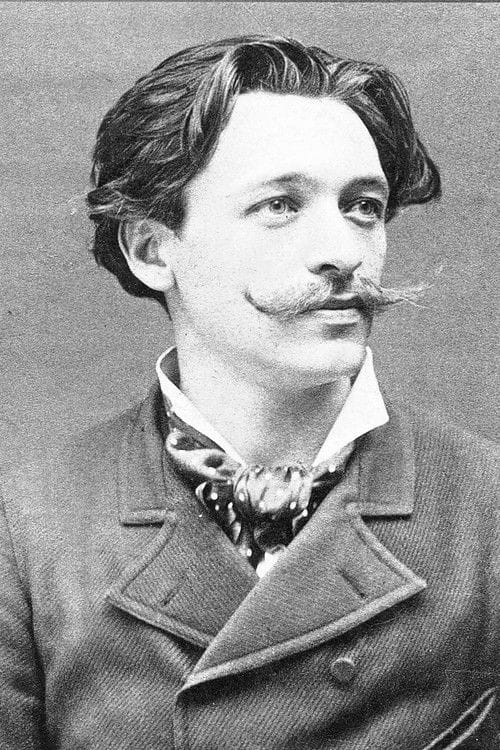
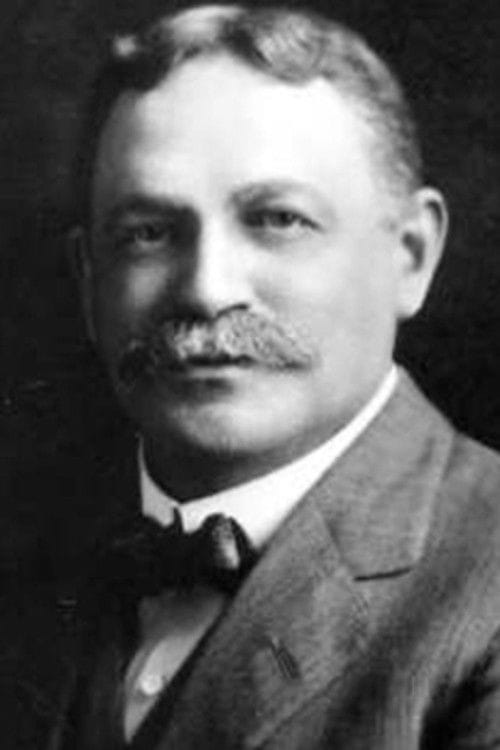
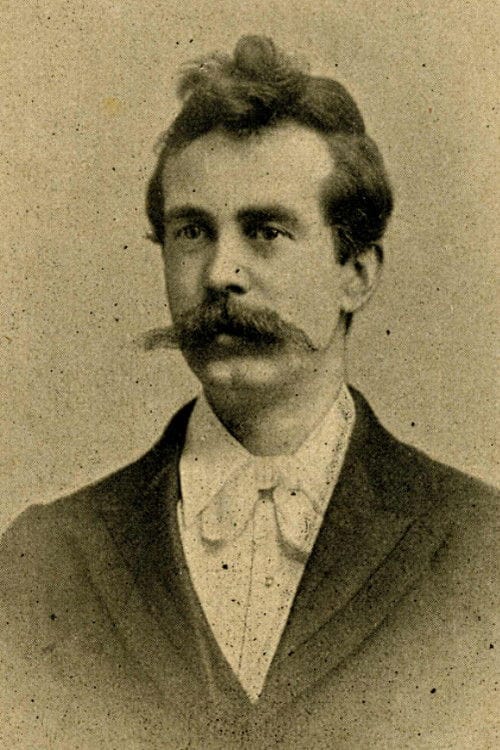
Henry Nicholls: Film Director & Cinematic Visionary
Henry Nicholls: A Pioneer of Early Cinema
Introduction & Early Life
Henry Nicholls, a name perhaps less familiar than some of his contemporaries like Georges Méliès or Edwin S. Porter, nevertheless stands as a significant figure in the nascent years of cinema. Flourishing during the pivotal 1900-1909 era, Nicholls carved a niche for himself by experimenting with narrative structure, character development, and location shooting, pushing the boundaries of what was considered possible in filmmaking at the time. While precise biographical details about his personal life remain somewhat obscured by the mists of history, piecing together accounts from surviving film records, contemporary journalistic pieces, and anecdotal evidence paints a picture of a visionary artist passionately dedicated to the burgeoning art form.
Born in approximately 1870 (exact birth records are currently unavailable) in a small English town outside of London, Nicholls's early life was marked by a fascination with storytelling and visual representation. Sources suggest he may have had some exposure to theatrical productions, possibly working backstage in various capacities. This early exposure to the world of performance likely fueled his creative instincts and provided him with a foundation upon which to build his later cinematic endeavors. Prior to his entry into filmmaking, Nicholls is believed to have worked as a photographer's assistant, a common pathway for individuals to gain technical skills related to optics, composition, and the mechanics of capturing images, all crucial for the emerging motion picture industry.
The late 1890s witnessed the rapid spread of motion picture technology across Europe and America. Inspired by the groundbreaking work of the Lumière brothers and others, Nicholls felt compelled to explore the possibilities of this new medium. Abandoning his previous occupation, he sought opportunities within the fledgling British film industry, initially working in various roles, including cameraman, set designer, and even occasionally appearing as an extra. These experiences provided him with a comprehensive understanding of the filmmaking process from the ground up, a knowledge that proved invaluable when he later transitioned to directing.
Although formal education details are scarce, it's evident from Nicholls's films that he possessed a keen intellect and a deep appreciation for literature and history. His early films often incorporated elements of Victorian melodrama, drawing upon popular themes of morality, social injustice, and romantic entanglement. However, unlike many of his contemporaries who simply filmed stage plays, Nicholls sought to adapt these narratives for the screen, employing techniques like close-ups, editing for pacing, and location shooting to create a uniquely cinematic experience.
Directorial Style & Signature Techniques
Henry Nicholls's directorial style, while rooted in the theatrical traditions of the time, reveals a clear attempt to forge a distinct cinematic language. He wasn't content with simply recording stage performances; he actively sought to utilize the unique capabilities of the camera and editing to enhance the storytelling experience. This progressive approach set him apart from many of his peers and established him as a noteworthy figure in the development of early film aesthetics.
Pioneering Location Shooting
One of Nicholls's most significant contributions was his pioneering use of location shooting. While studio-bound productions were the norm, Nicholls ventured outside, filming scenes in real-world environments. This gave his films a sense of authenticity and immediacy that was largely absent from the more artificial sets of the time. He frequently filmed in the streets of London, capturing the hustle and bustle of daily life and incorporating recognizable landmarks into his narratives. This not only added realism but also served as a visual record of early 20th-century England.
Developing Character Through Visuals
Nicholls understood the power of visual storytelling. He used close-ups to emphasize the emotions of his characters, allowing audiences to connect with them on a more personal level. He also paid meticulous attention to costume and set design, using these elements to convey information about the characters' social status, personality, and inner turmoil. His attention to detail in these areas contributed to a richer and more engaging viewing experience.
Experimentation with Editing
While the art of editing was still in its infancy, Nicholls experimented with different techniques to create a sense of pacing and build suspense. He employed cross-cutting, a technique where two or more scenes are shown alternately to create a sense of simultaneity and build tension, particularly in chase sequences or moments of impending danger. He also experimented with different shot durations to control the rhythm of the film and draw the audience's attention to specific details.
Naturalistic Performance Style
Nicholls encouraged his actors to adopt a more naturalistic style of performance, moving away from the exaggerated gestures and melodramatic delivery that were common in stage productions. He sought to create characters that felt more relatable and believable, contributing to the overall realism of his films. While his actors were often untrained, he guided them to deliver performances that were authentic and emotionally resonant, considering the limitations of early acting for the camera. The performances were much more subtle than the broad, gestural acting common in the theatre and earlier films.
Major Films & Career Highlights
Henry Nicholls's filmography, though not extensive by modern standards, boasts several noteworthy titles that showcase his innovative filmmaking techniques. These films, often rediscovered and restored by film archives, offer valuable insights into the development of narrative cinema and the evolution of cinematic language in the early 20th century.
The Baker Street Mystery (1903)
Considered by many to be Nicholls's most significant work, The Baker Street Mystery is an early example of a crime drama that effectively utilizes suspense and mystery. Set in the iconic London neighborhood, the film follows a Scotland Yard detective as he investigates a series of baffling robberies. Nicholls skillfully employs location shooting, filming scenes in actual London streets and alleyways, creating a palpable sense of realism. The film's use of cross-cutting during the climactic chase scene is particularly effective, building suspense and keeping the audience on the edge of their seats. The narrative, though simple by today's standards, was ground-breaking for its time, offering a clear plot and engaging characters.
A Day in the Life of a London Street Urchin (1904)
This film offers a glimpse into the harsh realities of urban poverty in Edwardian England. Nicholls follows a young street urchin as he navigates the challenges of daily life, foraging for food, evading the authorities, and interacting with the diverse characters who inhabit the city streets. The film is notable for its social commentary and its sympathetic portrayal of the plight of the working class. Nicholls's use of location shooting is particularly effective in capturing the gritty atmosphere of the London slums. The film is viewed as one of the earliest examples of social realism in cinema.
The Runaway Bride (1906)
A lighthearted romantic comedy, The Runaway Bride showcases Nicholls's versatility as a director. The film tells the story of a young woman who flees her wedding ceremony after realizing she is in love with another man. The film is notable for its charming performances and its use of slapstick humor. Nicholls's direction is deft and assured, creating a film that is both entertaining and emotionally engaging. It represented a departure from his more serious dramas and showcased his ability to work in different genres.
The Lighthouse Keeper's Daughter (1908)
This dramatic film is a testament to Nicholls's ability to evoke powerful emotions through visual storytelling. Set on a remote island, the film tells the story of a lighthouse keeper's daughter who must brave a storm to save a stranded sailor. Nicholls's use of natural settings and dramatic lighting creates a sense of atmosphere and suspense. The film is notable for its strong female protagonist and its exploration of themes of courage and sacrifice. It exemplifies Nicholls's skills in building suspense and creating compelling characters, even with the limitations of early cinema technology.
The Last Train to Dover (1909)
One of Nicholls's last known films, The Last Train to Dover is a melodrama focusing on themes of lost love and redemption. While fragments of the film exist, the complete version has never been found. Still, the recovered scenes reveal Nicholls continuing to push boundaries with his expressive close-ups and his use of setting to enhance the emotions of his actors. It provides evidence that his innovative streak was not slowing down, even as his career drew to a close.
Collaborations & Influence
Henry Nicholls, while a driving force behind his own films, also benefited from and contributed to a collaborative environment within the early British film industry. While specific details regarding formal film companies are scarce, it is known that he worked with a revolving group of actors, cameramen, and set designers, forming a small but dedicated team that shared his vision and helped bring his ideas to life. These collaborations were essential for the production of his films, as filmmaking at the time was a complex and technically demanding process.
His influence on subsequent filmmakers is difficult to trace definitively due to the fragmented nature of early film history. However, evidence suggests that his pioneering use of location shooting and his emphasis on naturalistic performance influenced later British filmmakers who sought to capture the realities of everyday life on screen. Filmmakers working in social realism movements likely drew inspiration from Nicholls’s ability to depict social issues. He is also credited with inspiring narrative storytelling, having proven that audiences preferred films that told some sort of story rather than just random moving images.
Nicholls's collaborations extended beyond the immediate filmmaking process. He is known to have consulted with writers and playwrights to adapt their stories for the screen. This collaboration helped to elevate the narrative quality of his films and appeal to a broader audience. Further research is needed to fully understand the extent of his collaborations, but it is clear that he played a significant role in shaping the early British film industry.
Awards & Recognition
In the early days of cinema, formal award ceremonies and widespread critical acclaim were rare. Recognition often came in the form of positive reviews in trade publications and audience attendance figures. While Henry Nicholls did not receive any major awards during his lifetime, his films were generally well-received by audiences and critics alike. Contemporary reviews often praised his innovative filmmaking techniques, his engaging storytelling, and his ability to capture the essence of British life on screen.
In recent years, film historians and archivists have rediscovered and re-evaluated Nicholls's work, recognizing his significant contributions to the development of cinema. Film festivals and retrospectives have showcased his films, introducing them to a new generation of viewers. Although he may not be a household name, Henry Nicholls is now considered a pioneer of early cinema and a key figure in the history of British filmmaking. His rediscovery and preservation have been essential to ensuring that early film-making is not forgotten.
Cultural Impact & Legacy
Henry Nicholls's cultural impact lies primarily in his contribution to the development of cinema as a narrative art form. His films helped to establish many of the conventions of cinematic storytelling that are still used today. His use of location shooting, close-ups, and editing techniques paved the way for future generations of filmmakers to create more immersive and engaging cinematic experiences.
Beyond his technical innovations, Nicholls's films also offer valuable insights into the social and cultural life of early 20th-century England. His depictions of urban poverty, class conflict, and the changing role of women provide a glimpse into the world of his time. His films are not only entertaining but also serve as a historical record, offering a unique perspective on the past.
While his career was relatively short, Henry Nicholls's legacy as a pioneer of early cinema is secure. His films continue to be studied and admired by film historians and enthusiasts, ensuring that his contributions to the art form will not be forgotten. His work serves as a reminder of the ingenuity and creativity of the early filmmakers who laid the foundation for the modern film industry. His work, though dated, offers valuable context to the evolution of cinematic techniques that are now taken for granted.