Henry King: Film Director & Cinematic Visionary
Henry King: A Silent Era Titan and Master Storyteller
Introduction & Early Life
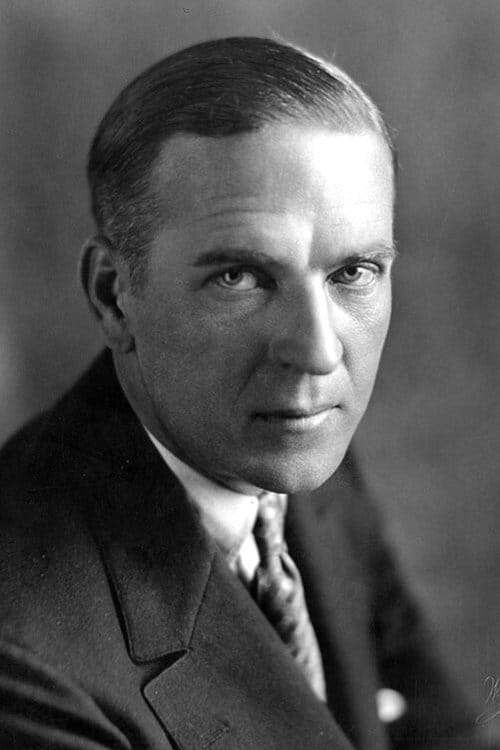
Henry King, a name perhaps not as instantly recognizable as Chaplin or Griffith, nevertheless stands as a cornerstone of early American cinema. Born William Henry King in Christiansburg, Virginia, on January 24, 1886, his life was a tapestry woven from diverse experiences before he found his true calling behind the camera. King's journey from a relatively ordinary upbringing to becoming a prolific and influential film director during the nascent years of Hollywood's silent era is a testament to his ambition, adaptability, and inherent storytelling abilities.
His early life was far removed from the glitz and glamour of the movie industry. He worked various odd jobs to make ends meet, including a stint with the Norfolk and Western Railway. This experience likely exposed him to a wide range of people and situations, providing fertile ground for the empathetic narratives that would later characterize his work. He also briefly toured as an actor in traveling stock companies, honing his understanding of performance and stagecraft. This exposure to the theater world provided him with a foundation in narrative structure and character development, skills that would prove invaluable in his transition to filmmaking.
The allure of the burgeoning film industry proved irresistible. Around 1912, King made his first foray into the world of motion pictures, initially as an actor. He joined the Lubin Manufacturing Company, a prominent film studio based in Philadelphia, where he gained firsthand experience in the mechanics of filmmaking. This initial exposure, though brief, ignited a passion that would reshape his life and contribute significantly to the evolution of American cinema. He quickly realized that his talents lay not in front of the camera, but behind it, orchestrating the stories and guiding the performances.
By the mid-1910s, King had transitioned to directing, marking the beginning of a remarkably productive and impactful career. He embraced the challenges of the silent era, mastering the art of visual storytelling and crafting narratives that resonated with audiences across the country. His early films, often made on tight budgets and with limited resources, demonstrated his resourcefulness and his ability to extract compelling performances from his actors. The foundation laid during these formative years solidified his position as a leading figure in the silent film industry and paved the way for his later successes in the sound era.
Directorial Style & Signature Techniques
Henry King's directorial style, particularly during the silent era, was characterized by its understated elegance and focus on character-driven narratives. Unlike some of his contemporaries who embraced elaborate visual effects and melodramatic storylines, King favored a more naturalistic approach, emphasizing emotional depth and relatable human experiences. His films often explored themes of love, loss, resilience, and the search for meaning in a rapidly changing world.
One of King's signature techniques was his masterful use of location shooting. He frequently filmed on location, bringing a sense of authenticity and realism to his stories. This was particularly evident in his Westerns and dramas set in rural settings, where the landscapes became integral to the narrative, reflecting the characters' struggles and triumphs. The use of natural light and scenic backdrops added a layer of visual poetry to his films, enhancing their emotional impact.
King also possessed a remarkable talent for eliciting nuanced performances from his actors. He understood the power of subtle gestures and facial expressions in conveying emotion, and he encouraged his actors to embody their characters fully. He was known for his patient and supportive approach, creating a collaborative environment on set that allowed his actors to explore the emotional complexities of their roles. This emphasis on authentic performance was a key element of his success, contributing to the believability and emotional resonance of his films.
While he primarily worked within the conventions of the silent era, King was also adept at employing innovative techniques to enhance the visual storytelling. He experimented with camera angles, framing, and editing to create mood and emphasize key moments in the narrative. While not as overtly experimental as some of his avant-garde contemporaries, King skillfully used these techniques to subtly elevate his films and engage the audience on a deeper level. His style, while seemingly straightforward, was in fact a carefully crafted blend of realism, emotional depth, and understated visual artistry, making his films both accessible and profoundly moving.
Major Films & Career Highlights
Henry King's career during the 1910s was remarkably prolific, marked by a steady stream of films that showcased his versatility and his growing mastery of the craft. While many of these early works are now lost or obscure, several stand out as significant contributions to the silent film era and as indicators of his developing directorial style.
One of his early successes was *Little Mary Sunshine* (1916), a charming comedy that demonstrated his knack for lighthearted storytelling and his ability to capture the innocence and joy of childhood. This film helped establish him as a director capable of appealing to a broad audience and solidified his position within the industry. It showcased his ability to balance humor with heartwarming sentiment, a characteristic that would define many of his later films.
*The Main Trail* (1917), a Western drama, marked a shift towards more serious themes and showcased King's ability to handle action and adventure. The film highlighted his skill in using landscapes to emphasize isolation and determination, central themes of many Westerns. This was a turning point in his career as it showed he could handle genres beyond just comedies and dramas.
*Hearts or Diamonds?* (1918), starring William Russell, a romantic drama, exhibited King's ability to bring out the emotional depth from his actors. The film dealt with themes of love, loyalty and betrayal, providing a strong emotional story for audiences. This film further cemented his position as a successful director in multiple genres.
A particularly noteworthy film from this period is *23 1/2 Hours Leave* (1919), a comedy-drama starring Douglas MacLean. This film, which revolves around a soldier's brief furlough, highlights King's ability to balance humor with poignant observations about human nature. It was a commercial success and further cemented his reputation as a director capable of creating films that were both entertaining and thought-provoking. *23 1/2 Hours Leave* showcased his comedic timing and ability to create engaging characters, solidifying his status as a top director of the era.
These early films, while varying in genre and scope, collectively demonstrate King's commitment to quality storytelling and his ability to connect with audiences on an emotional level. They laid the groundwork for his later successes in the sound era, where he would continue to refine his craft and create some of the most enduring and beloved films in Hollywood history.
Collaborations & Influence
Henry King's success during the silent era was not solely the result of his individual talent; it was also shaped by his collaborations with other talented individuals. He frequently worked with the same actors and crew members, fostering a sense of camaraderie and mutual respect on set. This collaborative environment allowed him to develop a consistent style and maintain a high level of quality in his productions.
One of his most frequent collaborators was the actor William Russell, who starred in several of King's films, including *Hearts or Diamonds?*. Russell's charismatic presence and ability to embody a range of characters made him an ideal leading man for King's dramas and adventures. King helped shape Russell's career, and Russell delivered strong performances for King’s projects.
King's influence on other filmmakers during the silent era is difficult to quantify precisely, but his emphasis on naturalism and character-driven narratives undoubtedly had an impact on the development of American cinema. His films served as a model for other directors seeking to create emotionally resonant stories that connected with audiences on a personal level. His willingness to use location shooting influenced future filmmakers to embrace the outdoors as a method for enhancing their story telling.
His approach to filmmaking, which emphasized collaboration and respect for the actors, also contributed to a more professional and supportive environment on set. This collaborative approach, while not unique to King, was a significant factor in his success and helped to elevate the quality of his productions. Ultimately, King’s contributions to the early film industry laid the groundwork for future generations of filmmakers to build upon.
Awards & Recognition
While awards and formal recognition were less prevalent during the silent era than they are today, Henry King's contributions to the film industry were certainly acknowledged and appreciated by his peers and by the public. His films were consistently well-received by critics and audiences alike, and he was recognized as a leading figure in the burgeoning Hollywood scene.
Although he didn't receive any major awards during this early period, the commercial success of his films was a testament to his talent and his ability to connect with audiences. The popularity of films like *23 1/2 Hours Leave* and *Little Mary Sunshine* demonstrated his ability to create films that were both entertaining and emotionally resonant.
His later career, in the sound era, would see more formal accolades. However, the foundation for these later successes was undoubtedly laid during his formative years in the silent film industry. His dedication to quality storytelling, his collaborative spirit, and his unwavering commitment to his craft earned him the respect of his colleagues and cemented his place as a significant figure in the history of American cinema.
Cultural Impact & Legacy
Henry King's cultural impact extends beyond his individual films. He was a pioneer of American cinema, helping to shape the industry during its formative years. His emphasis on naturalism and character-driven narratives helped to establish a distinct American style of filmmaking, one that emphasized emotional depth and relatable human experiences.
His films, while often overlooked in contemporary discussions of silent film masters, offer a valuable glimpse into the social and cultural landscape of the early 20th century. They reflect the values and aspirations of the American people during a time of rapid change and transformation. His stories of love, loss, and resilience continue to resonate with audiences today, reminding us of the enduring power of human connection.
King's legacy lies not only in the films he directed but also in the example he set as a filmmaker. His dedication to quality storytelling, his collaborative spirit, and his unwavering commitment to his craft serve as an inspiration to aspiring directors and film professionals. He demonstrated that it was possible to create meaningful and engaging films without resorting to sensationalism or melodrama, and he paved the way for future generations of filmmakers to explore the complexities of human experience on the silver screen. His work serves as a testament to the enduring power of cinema to entertain, inform, and inspire.