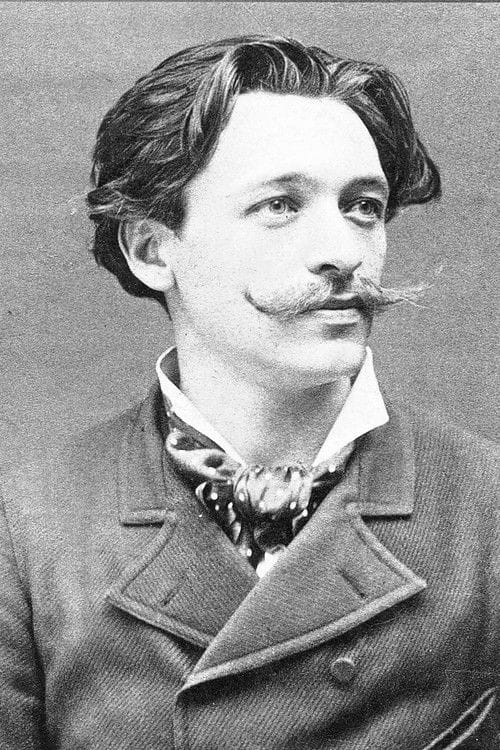
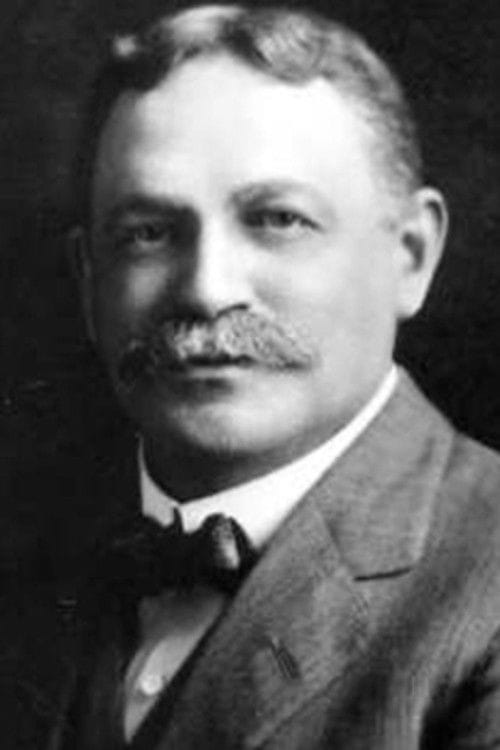
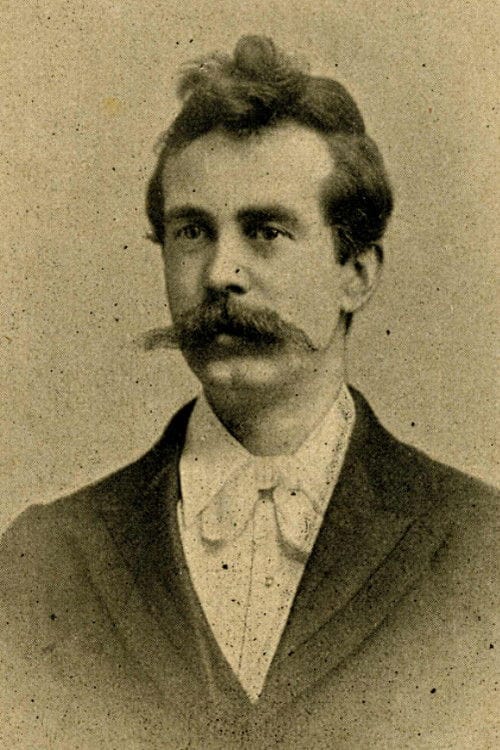
Gaston Méliès: Film Director & Cinematic Visionary
Gaston Méliès: The Pioneer of American Silent Cinema
Before Hollywood became the global filmmaking behemoth we know today, a different kind of magic was brewing. One of the key figures in this nascent era, often overshadowed by his more famous brother, was Gaston Méliès. While Georges Méliès enchanted audiences with fantastical trick films in France, Gaston ventured across the Atlantic, becoming a crucial force in establishing film production in the United States and bringing cinematic storytelling to new audiences. This biography delves into the life and career of Gaston Méliès, highlighting his significant contributions to the development of early American cinema.
1. Introduction & Early Life
Gaston Méliès, born Gaston Georges Méliès on February 12, 1852, in Paris, France, was more than just the brother of the celebrated filmmaker Georges Méliès. He was a businessman, an entrepreneur, and a film director in his own right, playing a pivotal role in the expansion of the family's Star Film Company into the American market. His early life was immersed in the world of performance, but unlike Georges, who gravitated towards magic and stagecraft, Gaston initially pursued a more conventional path. He was involved in the family's boot-making business, suggesting a pragmatic and business-oriented mindset.
The Méliès Family and the Rise of Star Film
The Méliès family was deeply rooted in the Parisian bourgeoisie. Their boot-making factory provided a comfortable livelihood, allowing the brothers to pursue their individual passions. While Georges transformed the family business into a theatre, the Théâtre Robert-Houdin, Gaston focused on the financial and administrative aspects. This early exposure to both the creative and business sides of entertainment would prove invaluable in his later career. The success of Georges' films, particularly his pioneering use of special effects and narrative storytelling, led to the establishment of Star Film. Realizing the potential of the American market, the Méliès brothers decided to expand their operations overseas. This marked a turning point in Gaston's life, propelling him from a relatively obscure businessman into the world of filmmaking.
Leaving Paris for America: A New Chapter
In 1902, Gaston Méliès arrived in New York City to oversee the American branch of Star Film, officially known as the "Star Film Ranch." His initial role was primarily administrative, focused on distributing Georges' films and protecting their copyrights in the United States. Piracy was rampant in the early days of cinema, and Gaston's strong business acumen was essential in combating these issues. However, he soon realized that the American market demanded more than just imported films. The tastes of American audiences were evolving, and to truly succeed, Star Film needed to produce original content tailored to their preferences. This realization spurred Gaston to take on a more active role in filmmaking, eventually leading him to direct his own productions.
2. Directorial Style & Signature Techniques
While Gaston Méliès inherited the legacy of his brother's pioneering spirit, his directorial style differed significantly from Georges' fantastical and theatrical approach. Gaston’s films were largely defined by their embrace of realism and their focus on Western themes, catering directly to the burgeoning American audience. He wasn't interested in the elaborate stagecraft and trick photography that defined Georges' work. Instead, he aimed for straightforward narratives, often drawing inspiration from popular Western genres and contemporary events.
Realism and Location Shooting
A key characteristic of Gaston Méliès' directorial style was his emphasis on realism. Unlike his brother, who meticulously constructed elaborate sets in his French studio, Gaston embraced location shooting. He travelled extensively across the United States, filming in authentic Western settings like Texas, Arizona, and California. This allowed him to capture the rugged beauty of the American landscape and create a sense of authenticity that resonated with audiences. The use of real locations also allowed him to incorporate elements of documentary filmmaking into his work, capturing glimpses of everyday life and historical events.
Westerns and Historical Dramas
Gaston Méliès' filmography is dominated by Westerns and historical dramas. He understood the immense popularity of the Western genre in America and capitalized on this trend by producing a steady stream of films featuring cowboys, outlaws, and frontier adventures. His Westerns, however, were not always stereotypical portrayals of good versus evil. He often explored more complex themes, such as the clash of cultures between Native Americans and European settlers, and the hardships faced by pioneers venturing into the unknown. His historical dramas, while sometimes embellished for dramatic effect, aimed to recreate significant events in American history, providing audiences with a visual representation of their national heritage.
Simple Narrative Structure and Audience Accessibility
Gaston's directorial approach also prioritized accessibility for a wider audience. His narratives were typically straightforward and easy to follow, avoiding the complex symbolism and artistic experimentation that sometimes characterized his brother's films. He understood that American audiences were primarily interested in entertainment, and he crafted his films to meet their expectations. This emphasis on clarity and simplicity contributed to the commercial success of his productions, making Star Film a formidable competitor in the American film market.
3. Major Films & Career Highlights
Gaston Méliès' career as a film director, while relatively short, was remarkably prolific. He directed and produced dozens of films, covering a wide range of genres and subjects. While many of these films have been lost to time, those that survive offer valuable insights into his directorial style and his contributions to early American cinema. His major films are testaments to his ability to cater to American tastes while infusing his productions with his own creative vision.
The Wonderful Wizard of Oz (1910)
Despite the better known 1939 MGM film, Gaston Méliès also created an adaptation. While not as visually spectacular as his brother's special effects-driven fantasies, Gaston's The Wonderful Wizard of Oz (1910) offered a more straightforward and faithful adaptation of L. Frank Baum's beloved children's book. The film was part of a series of children’s stories produced by Star Film to capture a wider audience. It demonstrated Gaston's ability to adapt popular literary works for the screen, making them accessible to a new generation of viewers. Unfortunately, few copies have survived to this day.
The Immortal Alamo (1911)
One of Gaston Méliès' most ambitious projects was *The Immortal Alamo* (1911). This historical drama depicted the Battle of the Alamo, a pivotal event in the Texas Revolution. Filmed on location in Texas, the film featured a large cast and elaborate sets, aiming for a realistic portrayal of the battle. While historical accuracy may have been sacrificed for dramatic effect, *The Immortal Alamo* was a significant achievement for its time, showcasing Gaston's ability to stage large-scale action sequences and capture the intensity of historical events. The production was beset by difficulties, including a fire that destroyed some of the sets, but Gaston persevered, completing the film and achieving considerable commercial success.
Across the Continent in an Automobile (1911)
Gaston Méliès also ventured into the realm of travelogues and documentaries with films like *Across the Continent in an Automobile* (1911). This film chronicled a cross-country road trip, capturing the changing landscapes and cultural diversity of the United States. It provided audiences with a glimpse into the rapidly evolving American landscape, showcasing the potential of the automobile as a symbol of progress and modernity. This film exemplifies Gaston's commitment to capturing real-life events and showcasing the beauty of the American continent.
The Round the World Expedition (1912-1913)
Perhaps the most ambitious undertaking of Gaston's career was the "Round the World Expedition" of 1912-1913. With a crew of actors and technicians, Gaston embarked on a global journey, filming in locations across Asia, the Pacific, and the Middle East. The resulting films, while often exoticized and reflecting the colonial attitudes of the time, offered American audiences a rare glimpse into distant lands and cultures. The expedition was plagued by logistical challenges, illness, and creative disagreements, ultimately contributing to the downfall of Star Film. However, it remains a testament to Gaston's ambition and his desire to expand the scope of cinematic storytelling.
4. Collaborations & Influence
Gaston Méliès' work, while often overshadowed by his brother's innovations, was nonetheless vital in establishing a foothold for European filmmakers in the burgeoning American film industry. His collaborations, both within the Star Film company and with other individuals, highlight his role as a bridge between European and American cinematic traditions. He was influenced by his brother, but carved out his own distinct path. He fostered a collaborative environment within his American studio, nurturing new talent and contributing to the development of a uniquely American style of filmmaking.
Working with the Star Film Company
Gaston's most significant collaboration was undoubtedly with his brother, Georges Méliès, and the Star Film Company. While Georges remained in France, Gaston acted as his representative and primary filmmaker in the United States. Their relationship was complex, marked by both collaboration and competition. Gaston's business acumen complemented Georges' artistic genius, allowing Star Film to expand its operations and reach a wider audience. However, their differing artistic visions and financial disagreements eventually led to a strained relationship. The collapse of the Round the World Expedition ultimately damaged their relationship beyond repair. Gaston's shift in style in response to the American market ultimately became a source of tension as Georges was more interested in stage performance, effects, and fantasy.
Mentoring and Supporting Emerging Talent
Gaston also played a crucial role in mentoring and supporting emerging talent in the American film industry. While specific names of individuals he directly mentored are difficult to pinpoint due to limited historical records, it's clear that he provided opportunities for American actors, technicians, and writers to gain experience in filmmaking. He was a pioneer of filming in various parts of the U.S., bringing employment opportunities to new locations. He would have been in the rare position of introducing new audiences to what filming was all about as well as being able to recruit local talent.
Influence on Early Western Cinema
His most lasting legacy is his influence on the development of early Western cinema. His emphasis on realism, location shooting, and straightforward narratives helped to establish the conventions of the genre. Later Western filmmakers, such as John Ford and Howard Hawks, would build upon these foundations, creating iconic films that shaped the American image of the West. While Gaston's films may not be as widely known as those of his successors, his contributions were essential in laying the groundwork for the future of the Western genre.
5. Awards & Recognition
During his lifetime, Gaston Méliès did not receive any formal awards or prestigious recognition. The concept of awards ceremonies for film was still in its infancy during the early 1900s. Recognition came in the form of financial success and the popularity of his films with American audiences. He earned respect within the film industry for his business acumen and his ability to produce films that appealed to a wide range of viewers. He contributed to the spread of film during its infancy.
Posthumous Appreciation
In recent years, there has been a growing appreciation for Gaston Méliès' contributions to cinema. Film historians and archivists have worked to preserve and restore his surviving films, shedding light on his directorial style and his role in the development of early American cinema. His work has been featured in film festivals and retrospectives, introducing him to a new generation of audiences. While he may not have achieved the same level of fame as his brother, Gaston Méliès is now recognized as a significant figure in the history of film.
6. Cultural Impact & Legacy
Gaston Méliès' cultural impact lies primarily in his role as a pioneer of early American cinema and his contributions to the development of the Western genre. His films, while often simplistic by modern standards, captured the spirit of the American West and reflected the changing social and cultural landscape of the early 20th century. He helped to shape the image of America for both domestic and international audiences, influencing perceptions of the country's history, values, and identity.
A Bridge Between Europe and America
Gaston Méliès served as a crucial bridge between European and American cinematic traditions. He brought European filmmaking techniques and storytelling conventions to the United States, adapting them to suit the tastes of American audiences. He also helped to introduce American culture and landscapes to European audiences, fostering a greater understanding and appreciation of the United States. His work contributed to the globalization of cinema, paving the way for future collaborations and exchanges between filmmakers from different countries.
Preserving a Piece of Film History
The rediscovery and preservation of Gaston Méliès' films have played a vital role in preserving a piece of film history. These films offer valuable insights into the early days of cinema, providing a glimpse into the techniques, themes, and cultural values that shaped the industry. By studying his films, we can gain a deeper understanding of the evolution of cinema and appreciate the contributions of the unsung pioneers who helped to make it what it is today. Gaston Méliès, while sometimes overshadowed, remains a critical figure in the story of cinema, a testament to the power of entrepreneurship, adaptation, and a commitment to bringing stories to life on the silver screen.