Ernst Lubitsch: Film Director & Cinematic Visionary
Ernst Lubitsch: A Master of Continental Charm and Silent Cinema Innovation
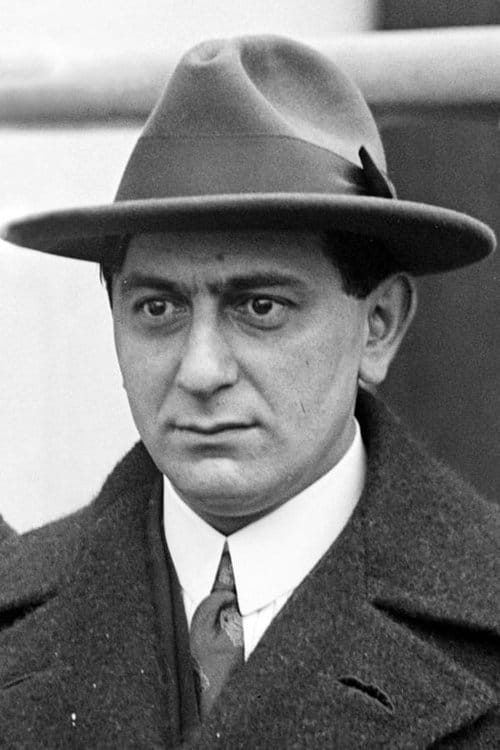
Ernst Lubitsch, a name synonymous with sophisticated comedy and visual storytelling, remains a towering figure in the history of cinema. Born in Berlin, Germany, in 1892 and rising to prominence during the formative years of the silent era, Lubitsch crafted a distinct style that blended European elegance with burgeoning cinematic techniques. Before his eventual conquest of Hollywood, Lubitsch established himself as a directorial force in Germany, pioneering the use of subtle suggestion, clever innuendo, and a focus on character-driven narratives, solidifying his legacy as a cinematic genius long before his arrival on American shores.
Early Life and Theatrical Beginnings
Ernst Lubitsch was born on January 29, 1892, into a middle-class Jewish family in Berlin. His father, Simon Lubitsch, was a tailor, and his mother, Anna Lindenstaedt, managed the household. From a young age, Lubitsch displayed a keen interest in the performing arts, particularly theatre. He was drawn to the vibrant atmosphere of Berlin's burgeoning entertainment scene, captivated by the performances he witnessed and dreaming of a life on stage. His formal education was typical for the time, but his true education lay in his immersion in the world of theatre. He took acting classes, honing his skills and developing a sharp understanding of comedic timing and character portrayal. This early training proved invaluable as he transitioned into filmmaking.
Lubitsch began his professional career as an apprentice in his father's tailoring business. However, his heart remained firmly set on acting. In 1911, at the age of 19, he joined Max Reinhardt's prestigious Deutsches Theater, initially as an extra. He quickly proved his talent, securing increasingly significant roles and gaining invaluable experience working alongside some of Germany's most respected actors. While working at the Deutsches Theater, he also honed his writing skills, crafting short skits and routines that showcased his comedic flair. These early theatrical experiences laid the foundation for his future success in film, giving him a deep understanding of storytelling, character development, and the importance of performance.
His early screen appearances were often comedic roles, playing bumbling characters and showcasing his natural ability for physical comedy. These roles, though often small, allowed him to gain experience in the burgeoning medium of film and to develop his on-screen presence. It was during this period that he began to realize his potential as a filmmaker, recognizing the power of the camera to tell stories and create emotions. He was particularly fascinated by the visual language of cinema and began experimenting with different techniques, even in his early acting roles, to understand how to best convey meaning and emotion through the moving image.
The "Lubitsch Touch": Directorial Style & Signature Techniques
The "Lubitsch Touch," a phrase that became synonymous with his name, encapsulates the director's distinctive style, characterized by its sophistication, wit, and subtle innuendo. It wasn't about explicit displays of emotion or action, but rather about suggesting them through clever visual cues, suggestive dialogue (or intertitles in the silent era), and a focus on character psychology. This made his films uniquely charming and intellectually stimulating, setting them apart from the more straightforward comedies of the time. He was a master of implication, leaving much to the audience's imagination and rewarding their active participation in the storytelling process.
Masters of Subtle Suggestion and Innuendo
Lubitsch's masterful use of suggestion was a cornerstone of his directorial style. He understood that what wasn't shown was often more powerful than what was. He employed visual metaphors, knowing glances, and symbolic props to convey meaning and emotion without explicitly stating them. A closed door, a discarded glove, or a lingering look could speak volumes, hinting at romantic liaisons, hidden desires, and unspoken truths. This subtle approach allowed him to explore complex themes and relationships in a way that was both sophisticated and entertaining. He trusted his audience to pick up on these nuances and to fill in the gaps with their own imaginations, creating a more engaging and rewarding viewing experience.
Visual Storytelling and Cinematic Language
Lubitsch was a pioneer in the development of cinematic language. He understood that film was a visual medium and that the camera could be used to tell stories in a way that was impossible in theatre. He experimented with camera angles, editing techniques, and set design to create a distinct visual style that was both elegant and dynamic. He paid meticulous attention to detail, ensuring that every element of the mise-en-scène contributed to the overall meaning of the film. His use of close-ups was particularly effective in conveying the emotions of his characters, allowing the audience to connect with them on a deeper level. He also understood the power of editing to create rhythm and pacing, using cuts to emphasize key moments and to build suspense.
Character-Driven Narratives and Social Commentary
While Lubitsch's films were often comedies, they were also deeply rooted in character. He was fascinated by human behavior and the complexities of relationships. His characters were often flawed and vulnerable, but they were also intelligent and witty. He used his films to explore themes of love, marriage, infidelity, and social class, often satirizing the conventions and hypocrisies of the upper classes. His films were not just about making people laugh; they were also about making them think. He used comedy as a tool to explore serious issues and to challenge the status quo. This combination of wit and social commentary is what made his films so enduringly popular.
Major Films & Career Highlights (1910-1919)
Although Ernst Lubitsch directed films beyond the 1910-1919 era, his contributions during this time period established him as a prominent director and cemented his innovative style. Here's a look at some significant films and moments from his early career:
Early Comedies and Acting Roles: Honing His Craft
Prior to fully embracing directing, Lubitsch starred in and directed several short comedies, including *Das Firmament* (1913) and *Fräulein Seifenschaum* (1914). These early works showcased his comedic timing and acting talent, but also allowed him to experiment with the possibilities of filmmaking. While these films might lack the polish and sophistication of his later masterpieces, they provide valuable insight into his early development as a filmmaker, revealing his growing understanding of comedic structure, character portrayal, and visual storytelling. They also offered him a platform to learn the technical aspects of filmmaking, from camera operation to editing.
*Die Augen der Mumie Ma* (The Eyes of the Mummy Ma, 1918): Early Success
This silent film marked a turning point in Lubitsch's career, demonstrating his ability to handle larger-scale productions and more complex narratives. While not purely a comedy, *Die Augen der Mumie Ma* incorporates elements of horror and melodrama, showcasing Lubitsch's versatility as a director. The film, starring Pola Negri, was a commercial success and helped to establish Lubitsch's reputation as a rising star in the German film industry. This film signaled his growing confidence in his directorial abilities and his willingness to experiment with different genres and narrative structures.
The Madame Du Barry Milestone: *Madame Dubarry* (1919)
Considered one of his most significant films of the era, *Madame Dubarry* catapulted Lubitsch to international fame. This lavish historical drama, also starring Pola Negri, told the story of the famous courtesan and her influence on the French court. *Madame Dubarry* was a critical and commercial success, praised for its elaborate sets, costumes, and the captivating performances of its cast. The film showcased Lubitsch's talent for creating visually stunning and emotionally engaging historical dramas. Its international success marked a major turning point in his career, attracting the attention of Hollywood producers and paving the way for his eventual move to the United States. This film established Lubitsch as a director capable of handling complex narratives and large-scale productions, solidifying his reputation as a major talent in European cinema.
The Impact of Historical Epics: Setting the Stage for Hollywood
The success of *Madame Dubarry*, along with other historical dramas such as *Carmen* (1918), helped to popularize the genre and demonstrated Lubitsch's mastery of spectacle and narrative. These films showcased his ability to create visually impressive and emotionally resonant stories, attracting the attention of Hollywood producers and paving the way for his eventual move to the United States. The scale and ambition of these productions signaled a shift in German cinema, moving away from smaller, more intimate films towards grander, more internationally appealing productions. These early successes were crucial in building Lubitsch's reputation and paving the way for his later triumphs in Hollywood.
Collaborations & Influence
Ernst Lubitsch was a highly collaborative filmmaker, fostering strong working relationships with actors, writers, and other members of his crew. His collaborations were instrumental in shaping his distinctive style and contributing to the success of his films. He also left an undeniable mark on the development of film, particularly in the realm of comedy and the use of visual storytelling.
Key Collaborations: Pola Negri and Writers
His frequent collaboration with actress Pola Negri was particularly significant during his German period. Negri, a charismatic and talented performer, became a muse for Lubitsch, starring in several of his most successful films, including *Carmen* and *Madame Dubarry*. Their partnership was a fruitful one, with Negri's expressive performances perfectly complementing Lubitsch's sophisticated direction. He also worked closely with talented writers who understood his comedic sensibility and his ability to elevate simple stories into witty and insightful social commentaries. These collaborations ensured a strong narrative foundation for his visually innovative films.
Influence on Directors and Cinematic Comedy
Lubitsch's influence on other directors and the evolution of cinematic comedy is undeniable. His innovative use of visual storytelling, his emphasis on character development, and his sophisticated comedic sensibility inspired generations of filmmakers. His ability to suggest rather than explicitly show influenced countless directors who followed, particularly those working in the genres of comedy and romance. The "Lubitsch Touch" became a benchmark for sophisticated and witty filmmaking, and his legacy continues to be celebrated and studied by film scholars and enthusiasts alike. His emphasis on elegance and charm, combined with his willingness to tackle complex themes, elevated cinematic comedy to a new level of artistry.
Awards & Recognition
While the formal awards landscape was different during the 1910s, Ernst Lubitsch's films received significant critical acclaim and commercial success, indicating a high level of recognition for his work within the film industry and among audiences. The popularity of *Madame Dubarry*, in particular, resulted in widespread acknowledgment of his talent and cemented his status as a leading figure in German cinema.
Early Accolades and Industry Recognition
Although dedicated awards ceremonies like the Academy Awards didn't yet exist, reviews and box office results served as key indicators of a film's success and the director's reputation. Lubitsch's films consistently garnered positive reviews, praising his innovative techniques and his ability to create engaging and entertaining stories. The commercial success of his films translated into increased opportunities and recognition within the industry, solidifying his position as a director to watch.
Lasting Legacy of Recognition
Although the early years of his career didn't involve formalized award ceremonies, his later career (post-1919) would bring him numerous accolades. However, the foundations for that success were laid during this formative period, with his work continually being critically reviewed as the silent era unfolded.
Cultural Impact & Legacy
Ernst Lubitsch's cultural impact extends far beyond the specific films he directed. He helped to shape the development of cinematic language, popularize the historical epic, and elevate the status of comedy as a sophisticated art form. His films continue to be celebrated for their wit, elegance, and timeless appeal, influencing generations of filmmakers and captivating audiences around the world. The "Lubitsch Touch" remains a symbol of sophisticated comedy and masterful storytelling, ensuring his lasting legacy in the history of cinema.
Shaping Cinematic Language and Genre
Lubitsch's innovative use of visual storytelling and his emphasis on character-driven narratives had a profound impact on the development of cinematic language. He demonstrated the power of the camera to convey meaning and emotion, inspiring countless directors to experiment with different techniques and approaches. He also played a key role in popularizing the historical epic, proving that these large-scale productions could be both entertaining and artistically significant. His contributions helped to elevate the status of film as an art form and to expand its creative possibilities.
A Lasting Influence on Comedic Storytelling
Perhaps Lubitsch's most enduring legacy lies in his contribution to the evolution of cinematic comedy. He demonstrated that comedy could be both sophisticated and accessible, witty and insightful. His films challenged the conventions of the genre, exploring complex themes and relationships with intelligence and humor. The "Lubitsch Touch" became a benchmark for sophisticated comedic filmmaking, inspiring generations of directors to strive for elegance, wit, and subtlety in their own work. His influence can be seen in the films of Billy Wilder, Woody Allen, and countless other comedic masters. His emphasis on character, his use of suggestion, and his willingness to tackle serious issues within a comedic framework continue to resonate with audiences today.