Émile Cohl: Film Director & Cinematic Visionary
Émile Cohl: The Father of Animation – A Film Historian's Biography
Introduction & Early Life (1857-1938)
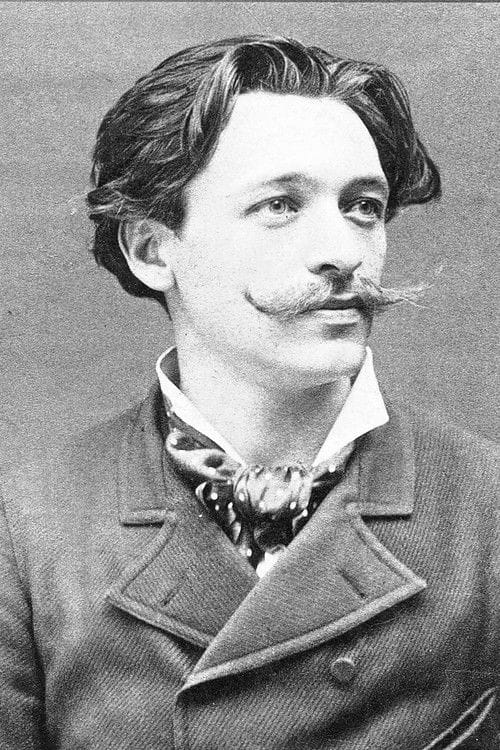
Émile Cohl, born Émile Eugène Jean Louis Courtet on January 4, 1857, and passing away on January 20, 1938, was a pioneering French caricaturist, cartoonist, and animator, widely recognized as one of the founding fathers of animation. His groundbreaking work in the early 20th century laid the foundation for the animated film industry we know today. While often overshadowed by later animation giants, Cohl's innovative techniques and imaginative storytelling established core principles that continue to resonate in animation art.
Born in Paris during a period of significant social and artistic upheaval, Cohl's early life was marked by both tragedy and artistic exploration. His father, a textile merchant, died when Émile was just a young boy, leaving him to be raised by his mother. This early experience instilled in him a sense of independence and resilience, qualities that would later prove essential in his unconventional artistic career.
Cohl displayed an early aptitude for drawing and a keen interest in art. He studied at the École des Arts Décoratifs, where he honed his skills in draftsmanship and design. However, he found the academic environment stifling and soon left to pursue his own artistic path. He immersed himself in the vibrant Parisian art scene, absorbing influences from various artistic movements, including Impressionism, Post-Impressionism, and particularly, Art Nouveau. This exposure fostered his unique visual style, characterized by flowing lines, whimsical figures, and a playful sense of humor.
Before venturing into animation, Cohl established himself as a successful caricaturist and cartoonist. He contributed satirical drawings to numerous newspapers and magazines, including "Le Chat Noir" and "L'Illustré National." His cartoons often poked fun at contemporary social and political issues, showcasing his sharp wit and observational skills. These early works demonstrate his mastery of line and form, laying the groundwork for his future animation experiments. His experience in creating sequential images for comic strips also provided him with a valuable understanding of storytelling through visual means, a skill crucial for his later success in animation.
Directorial Style & Signature Techniques
Émile Cohl's directorial style was characterized by its experimental nature and a commitment to pushing the boundaries of what animation could achieve. He embraced a simple, almost childlike aesthetic, focusing on the core elements of movement and transformation. His films were often whimsical and surreal, filled with fantastical creatures and unexpected visual gags. Unlike later animators who prioritized realism and narrative complexity, Cohl celebrated the inherent absurdity of animation, creating films that were both visually inventive and deeply entertaining.
One of Cohl's signature techniques was the use of "metamorphosis," where characters and objects seamlessly transform into one another. This technique, inspired by his background in caricature, allowed him to create a sense of constant movement and visual surprise. Lines would morph, shapes would shift, and characters would undergo rapid and often comical changes, defying the constraints of physical reality. This fluid and dynamic style became a hallmark of his work, setting him apart from other early animators.
Cohl's animation process was painstaking and labor-intensive, relying on hand-drawn animation techniques. He would meticulously draw each frame of his films, creating the illusion of movement through sequential drawings. He often used simple materials, such as paper and ink, and experimented with different animation techniques, including stop-motion animation, in which objects are moved slightly between each frame to create the illusion of movement. This hands-on approach gave his films a unique tactile quality, emphasizing the artistry and craftsmanship involved in the animation process.
Another defining characteristic of Cohl's style was his use of direct animation. He often drew directly onto film stock, bypassing the traditional cel animation process that would later become standard in the industry. This technique allowed him to create spontaneous and improvisational animations, capturing a sense of immediacy and energy. While this method was more challenging and time-consuming, it resulted in a distinctive visual style that is both raw and expressive. The imperfections and slight variations in each frame added to the charm and character of his films.
Cohl's storytelling was often simple and straightforward, focusing on visual gags and playful scenarios rather than complex narratives. His films were driven by a sense of childlike wonder and a desire to entertain. He embraced absurdity and surrealism, creating worlds where anything was possible. His characters were often quirky and eccentric, their actions driven by pure whimsy. This focus on visual humor and imaginative storytelling made his films accessible and appealing to a wide audience, regardless of age or background.
Major Films & Career Highlights
Émile Cohl's career as an animator, though relatively short, was incredibly prolific. He produced over 100 short animated films between 1908 and 1918, leaving behind a significant body of work that showcases his innovative techniques and imaginative vision. These films, though often simple in their execution, are considered groundbreaking achievements in the history of animation.
One of Cohl's most famous and influential films is "Fantasmagorie" (1908). This short film is widely regarded as one of the earliest examples of animated film. It features a stick figure character that interacts with a constantly morphing environment. The film is characterized by its surreal visuals, its playful sense of humor, and its innovative use of metamorphosis. "Fantasmagorie" established many of the techniques and tropes that would become staples of animated film, including the use of line animation, the transformation of objects, and the creation of fantastical worlds.
Another notable film is "Le Cauchemar du fantoche" (The Puppet's Nightmare, 1908). This film features a series of bizarre and unsettling images, showcasing Cohl's ability to create both humorous and disturbing animations. The film's nightmarish imagery and surreal narrative foreshadowed later developments in experimental animation.
"Les Allumettes animées" (Animated Matches, 1908) is a delightful short that utilizes stop-motion animation to bring anthropomorphic matchsticks to life. The matches engage in various activities, showcasing Cohl's ability to imbue inanimate objects with personality and charm. This film demonstrates his versatility in utilizing different animation techniques to achieve different effects.
In "Un Drame chez les fantoches" (A Puppet Drama, 1908), Cohl tells a simple story with his signature stick figure characters, showcasing a narrative, albeit a simple one, driven by character interaction and conflict. This film highlights his ability to create engaging stories even within the limitations of early animation technology.
"Le Peintre néo-impressionniste" (The Neo-Impressionist Painter, 1910) is a satirical commentary on the art world, featuring a painter whose work comes to life in unexpected ways. This film demonstrates Cohl's continued use of animation to explore social and artistic themes.
Cohl's career was not limited to independent short films. He also worked on commercial projects, creating animated advertisements and educational films. These projects provided him with a steady source of income and allowed him to further refine his animation techniques. While these commercial works are less well-known than his independent films, they are an important part of his overall body of work.
Collaborations & Influence
While Émile Cohl primarily worked independently, he did collaborate with other artists and filmmakers during his career. These collaborations were often informal, involving the exchange of ideas and techniques. He was part of the vibrant artistic community in Paris, where he interacted with other avant-garde artists and filmmakers who were experimenting with new forms of expression. These interactions undoubtedly influenced his own work and helped to shape the development of early animation.
One notable collaboration was with the French filmmaker and inventor Léon Gaumont. Gaumont's company, Gaumont Film Company, was one of the leading film studios in France during the early 20th century. Cohl worked for Gaumont for several years, creating animated films for their Pathé-Journal newsreel. This collaboration provided him with access to advanced film equipment and a wider audience for his work.
Cohl's influence on the development of animation is undeniable. His innovative techniques and imaginative vision paved the way for future generations of animators. His work inspired countless artists to explore the possibilities of animation, leading to the creation of new styles and techniques. Many of the core principles that he established, such as the use of metamorphosis and the emphasis on visual humor, continue to resonate in animation art today.
Animators like Winsor McCay, known for "Gertie the Dinosaur," were undoubtedly influenced by Cohl's pioneering work. McCay built upon Cohl's techniques, developing more sophisticated animation methods and creating more complex narratives. However, the debt to Cohl's groundbreaking experiments is clear. Furthermore, his influence can be seen in the work of later animators, such as Otto Messmer, the creator of Felix the Cat, and Walt Disney, who acknowledged Cohl's importance in the history of animation.
Awards & Recognition
During his lifetime, Émile Cohl received limited formal awards or recognition for his work. The field of animation was still in its infancy, and the significance of his contributions was not fully appreciated at the time. He primarily earned his living through commissions and commercial work, rather than through awards or accolades.
However, in recent decades, Cohl's legacy has been reassessed and his importance in the history of animation has been widely acknowledged. He is now recognized as one of the pioneers of the art form, and his films are celebrated for their innovation, creativity, and historical significance.
While specific awards bestowed upon him during his active career are scarce, numerous film festivals and historical societies now regularly screen and honor his work. His films are preserved in archives around the world, ensuring that future generations will be able to appreciate his contributions to animation history.
His most significant form of recognition comes through his enduring influence on the art of animation. The very existence of the modern animation industry owes a debt to the foundations he laid. His innovative techniques and experimental spirit continue to inspire animators today.
Cultural Impact & Legacy
Émile Cohl's cultural impact lies in his pioneering role in establishing animation as a viable art form and entertainment medium. Before Cohl, animation was largely unexplored territory. His experiments demonstrated the potential of animation to tell stories, create humor, and express artistic ideas. He essentially created the language of animation, establishing the basic techniques and conventions that would be used by generations of animators to come.
His legacy extends beyond the technical aspects of animation. He also helped to shape the aesthetic of early animation, embracing a simple, childlike style that resonated with audiences. His films were often whimsical and surreal, offering a glimpse into a world of imagination and fantasy. This aesthetic continues to influence animation today, particularly in independent and experimental animation.
Cohl's work also contributed to the development of visual humor. His films were filled with visual gags and unexpected transformations, creating a sense of playful absurdity. This emphasis on visual humor became a hallmark of animated film, and his influence can be seen in the work of countless comedic animators. In a world increasingly dominated by complex visual effects, the simple charm and ingenuity of Cohl's work remain a testament to the power of imagination and the enduring appeal of animation. He will forever be remembered as the father of animation, a visionary artist who laid the foundation for an art form that continues to delight and inspire audiences around the world.