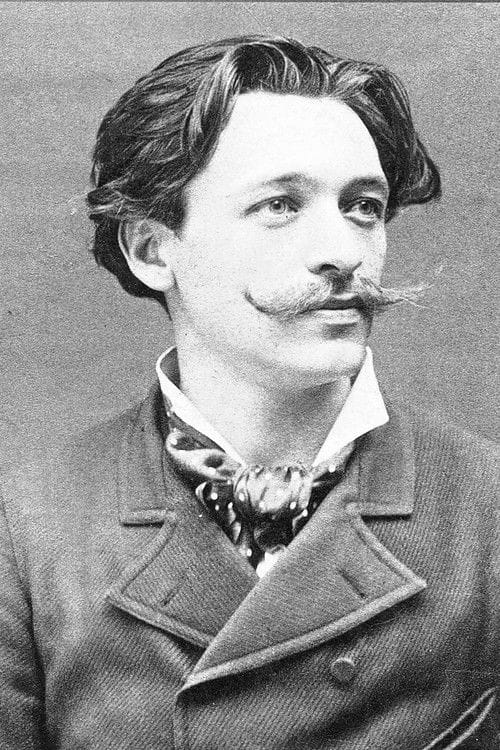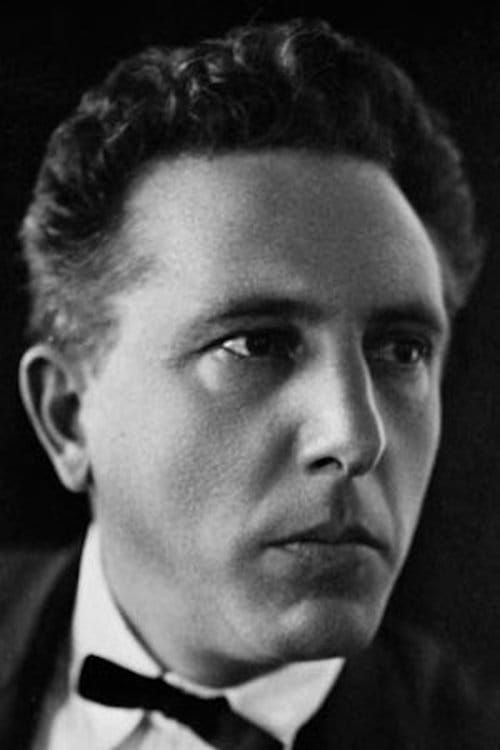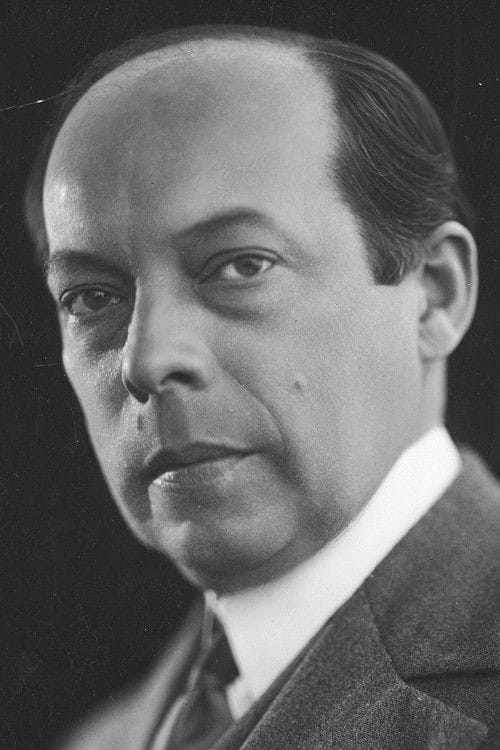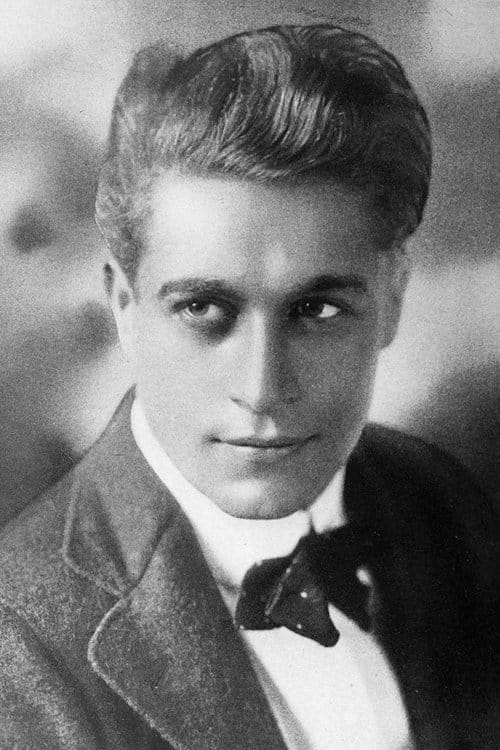
Elmer Clifton: Film Director & Cinematic Visionary
Elmer Clifton: A Pioneer of Early American Cinema
Introduction & Early Life
Elmer Clifton (March 14, 1883 – October 15, 1949) stands as a significant, albeit often overlooked, figure in the burgeoning world of early American cinema. Active primarily during the silent era, particularly throughout the 1910s and 1920s, Clifton carved a niche for himself as a versatile director, actor, and screenwriter. While his name may not be as widely recognized today as contemporaries like D.W. Griffith or Cecil B. DeMille, his contributions to the development of cinematic language and the exploration of diverse narratives are undeniable. This biography aims to shed light on Clifton's life, career, and lasting impact on the film industry, focusing specifically on his prolific period between 1910 and 1919, a time when he was at the forefront of shaping the aesthetic and thematic landscape of American film.
Born Elmer Ellsworth Clifton in Toronto, Canada, his early life remains shrouded in some mystery. Details about his family and upbringing are relatively scarce, a common characteristic of many early Hollywood figures whose lives were often eclipsed by the glamour and spectacle of their on-screen endeavors. What is known, however, is that Clifton possessed an innate creative drive and a deep-seated ambition to pursue a career in the performing arts. Prior to his immersion in the world of motion pictures, he gained experience on the stage, honing his acting skills and developing a keen understanding of dramatic storytelling. This theatrical background proved invaluable as he transitioned into the then-nascent film industry, providing him with a strong foundation in character development, narrative structure, and the art of conveying emotion through visual means. This experience also prepared him for the fast-paced and often improvisational nature of early film production.
The precise path that led Clifton to Hollywood is not definitively documented, but it is likely that he, like many aspiring actors and filmmakers of the time, was drawn by the allure of the burgeoning film industry in Southern California. The promise of steady work, creative freedom, and the potential for fame and fortune attracted a diverse array of talent from across the country and beyond. Clifton's arrival in Hollywood marked the beginning of a remarkably productive and influential career that would see him contribute to the evolution of filmmaking in profound ways. His ability to adapt to the rapidly changing demands of the industry and his willingness to experiment with new techniques cemented his position as a key player in the development of early American cinema. His theatrical training, coupled with his ambition, allowed him to quickly ascend through the ranks, transitioning from acting roles to directing and writing within a relatively short period of time.
Directorial Style & Signature Techniques
Elmer Clifton's directorial style during the 1910s was characterized by a blend of classic storytelling techniques and a willingness to experiment with new cinematic approaches. He wasn't necessarily a radical innovator in the mold of a Griffith, but he was a highly competent and resourceful director who consistently delivered engaging and visually appealing films. His work often showcased a strong sense of narrative clarity, ensuring that audiences could easily follow the plot even in the absence of synchronized sound.
Emphasis on Visual Storytelling
One of Clifton's key strengths was his ability to communicate effectively through visual means. He understood the power of mise-en-scène, carefully arranging actors, props, and settings to create a visually compelling and emotionally resonant experience for the viewer. His films often featured well-composed shots and a deliberate use of lighting to create mood and atmosphere. He wasn't afraid to use close-ups to emphasize key moments and emotional reactions, a technique that was becoming increasingly popular during this period. His experience as an actor undoubtedly informed his understanding of how to elicit convincing performances from his cast and how to effectively frame them within the context of the scene.
Use of Location Shooting
While studio sets were increasingly common, Clifton frequently incorporated location shooting into his films. This allowed him to create a greater sense of realism and authenticity, particularly in films set in specific historical or geographical locations. The use of natural landscapes and urban environments added depth and texture to his narratives, enhancing the overall visual appeal of his work. This approach differentiated him from directors who primarily relied on the artificiality of studio settings.
Exploration of Social Themes
Clifton's films often touched upon social themes and issues that were relevant to the era. While not overtly political, his work frequently explored themes of class, poverty, and social justice. He was interested in portraying the lives of ordinary people and the challenges they faced in a rapidly changing society. This sensitivity to social issues added a layer of depth and complexity to his films, making them more than just simple entertainment. He demonstrated an awareness of the societal currents swirling around him, injecting subtle commentary into his narratives.
Adaptability and Versatility
Perhaps the most defining characteristic of Clifton's directorial style was his adaptability. He demonstrated a remarkable ability to work across a variety of genres, from westerns and dramas to comedies and historical epics. This versatility made him a valuable asset to the studios he worked for and allowed him to consistently find work in a competitive industry. He was not afraid to tackle new challenges and experiment with different approaches, which contributed to his longevity and success as a director. This ability to wear many hats – director, actor, writer – made him a highly sought-after commodity in the early days of Hollywood.
Major Films & Career Highlights
Elmer Clifton's filmography is extensive, comprising dozens of films across various genres. Highlighting only a few demonstrates the breadth and depth of his work during his most active period, the 1910s.
The Girl Who Stayed at Home (1919)
This film, directed by D.W. Griffith but with Clifton credited as a co-director, is a poignant wartime drama that explores the sacrifices and anxieties of those left behind during World War I. While Griffith's influence is undeniable, Clifton's contribution is evident in the film's nuanced portrayal of domestic life and its empathetic depiction of the characters' emotional struggles. The film offers a glimpse into the everyday realities of the war’s impact on American families, moving beyond battlefield narratives to focus on the home front.
Hearts of the World (1918)
Another collaboration with D.W. Griffith, Hearts of the World is a powerful anti-war film that depicts the horrors of World War I with unflinching realism. Clifton's role as co-director likely involved overseeing specific scenes and managing the logistical challenges of filming on location, contributing to the film's overall sense of authenticity and immediacy. The film is notable for its graphic depiction of war's devastation and its passionate plea for peace, making it a significant statement against the conflict.
The Yaqui (1916)
This film showcases Clifton's ability to handle action and adventure with skill and precision. It tells the story of the Yaqui people of Mexico and their struggle for survival against oppression. Clifton's direction emphasizes the bravery and resilience of the Yaqui, creating a compelling and sympathetic portrayal of their plight. The film utilizes location shooting to capture the beauty and harshness of the Mexican landscape, adding to its overall impact.
The Italian (1915)
While not directed by Clifton, his acting role in The Italian, directed by Reginald Barker, is noteworthy. He played the titular character, an Italian immigrant facing prejudice and hardship in America. This role demonstrates Clifton's versatility as a performer and his ability to embody complex and emotionally challenging characters. His performance was praised for its authenticity and sensitivity, contributing to the film's success and its exploration of themes of immigration and assimilation.
Early Career (1912-1914): Learning the Ropes
Before these prominent roles, Clifton directed numerous short films and acted in smaller parts, honing his skills and gaining invaluable experience. While these early works may not be as widely known, they were essential in his development as a filmmaker and helped him establish himself within the industry. This period was crucial for him to learn the technical aspects of filmmaking and to develop his own unique style and voice.
Collaborations & Influence
Elmer Clifton's career was marked by significant collaborations, most notably with D.W. Griffith. His work with Griffith on films like The Girl Who Stayed at Home and Hearts of the World provided him with invaluable experience and exposure, allowing him to learn from one of the most influential filmmakers of the era. While his role was often as a co-director or assistant director, these collaborations undoubtedly shaped his own directorial style and approach to filmmaking.
Influence on Other Filmmakers
While Clifton's direct influence on later filmmakers may be difficult to trace definitively, his contributions to the development of cinematic language and his exploration of diverse narratives undoubtedly had an impact on the industry as a whole. His emphasis on visual storytelling, his use of location shooting, and his willingness to tackle social themes helped to pave the way for future generations of filmmakers. He contributed to establishing the conventions and techniques that would define American cinema for decades to come.
Working with Actors and Crew
Clifton was known for his ability to work effectively with actors and crew members. His experience as an actor himself gave him a unique understanding of the performers' needs and challenges. He was able to create a collaborative and supportive environment on set, which helped to elicit strong performances and foster a sense of camaraderie among the cast and crew. This collaborative approach was essential in the early days of filmmaking, when teamwork and resourcefulness were paramount.
Awards & Recognition
While Elmer Clifton may not have received major awards or widespread recognition during his lifetime, his contributions to the film industry were nonetheless significant. During the silent era, formal award ceremonies were not as prevalent as they are today, and recognition often came in the form of critical acclaim and commercial success. However, his work was consistently praised for its quality and its ability to engage audiences. His name was well-respected within the industry, and he was consistently sought after for his skills and expertise.
Contemporary Reviews and Industry Standing
Contemporary reviews of Clifton's films often highlighted his skill as a storyteller and his ability to create visually compelling and emotionally resonant experiences. He was recognized for his versatility and his ability to work across a variety of genres. His standing within the industry was reflected in the consistent demand for his services as a director, actor, and screenwriter. While lacking the grand accolades of some of his peers, his steady work and positive reception indicated a respected position within the filmmaking community.
Later Recognition
In more recent years, film historians and scholars have begun to re-evaluate Clifton's contributions to the silent era, recognizing his importance as a pioneer of American cinema. His films are now being studied and analyzed for their artistic merit and their historical significance. This renewed interest in his work is helping to solidify his legacy as a key figure in the development of the film industry. Digital archives and restoration efforts have also made his films more accessible to modern audiences, further contributing to his rediscovery.
Cultural Impact & Legacy
Elmer Clifton's cultural impact is primarily rooted in his contributions to the development of early American cinema. As a versatile director, actor, and screenwriter, he helped to shape the aesthetic and thematic landscape of the silent era. His films reflected the social and cultural issues of the time, offering audiences a glimpse into the lives of ordinary people and the challenges they faced in a rapidly changing society.
Influence on Cinematic Language
Clifton's emphasis on visual storytelling and his experimentation with new cinematic techniques helped to advance the development of cinematic language. His use of mise-en-scène, location shooting, and close-ups contributed to the evolution of filmmaking as a visual medium. His contributions may not be as revolutionary as some of his contemporaries, but they were nonetheless essential in laying the foundation for the future of cinema.
Preservation of Early Film History
The preservation and restoration of Elmer Clifton's films are crucial for understanding the history of American cinema. His work provides valuable insights into the filmmaking practices, social attitudes, and cultural values of the early 20th century. By studying his films, we can gain a deeper appreciation for the evolution of the film industry and its impact on society.
A Forgotten Pioneer
Although Elmer Clifton's name may not be widely known today, his contributions to the development of early American cinema are undeniable. He was a versatile and talented filmmaker who played a significant role in shaping the aesthetic and thematic landscape of the silent era. As film historians continue to re-evaluate his work, his legacy as a pioneer of American cinema will become increasingly recognized and appreciated. His story serves as a reminder that the history of film is filled with unsung heroes and forgotten pioneers who deserve to be celebrated for their contributions to the art form. The re-discovery of his work ensures that his contributions to film are not lost to history.