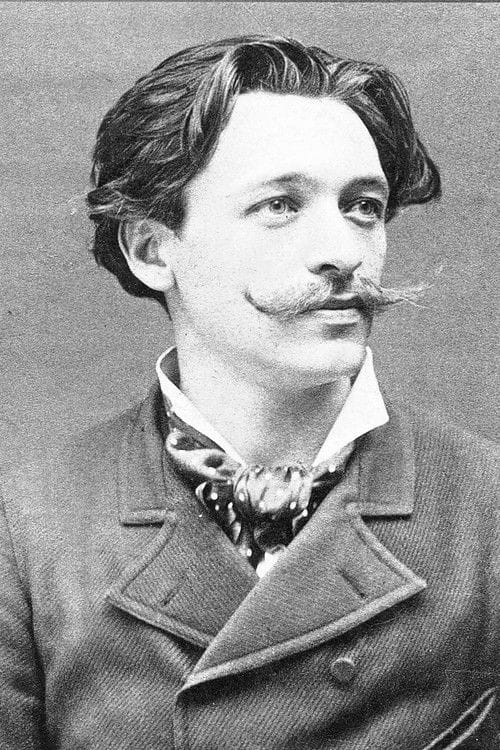
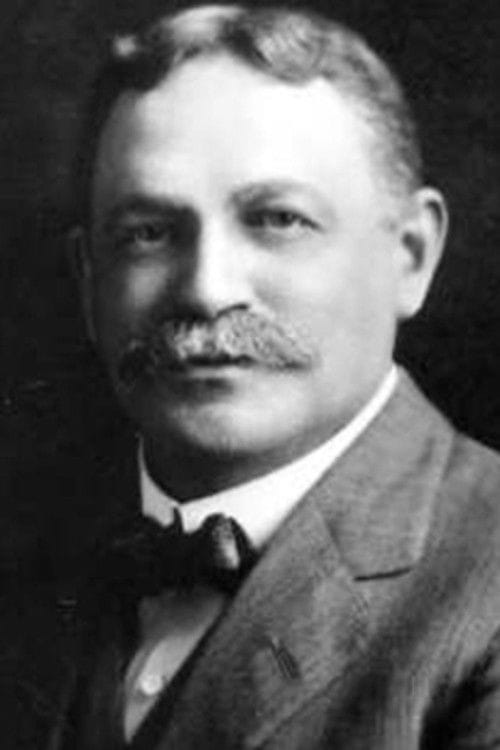
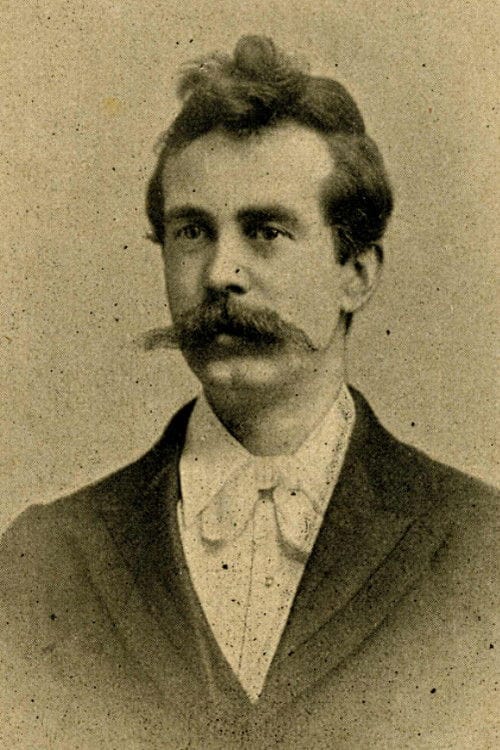
Eleuterio Rodolfi: Film Director & Cinematic Visionary
Eleuterio Rodolfi: A Pioneer of Italian Silent Cinema
Eleuterio Rodolfi, a name perhaps less familiar than Lumière or Méliès, yet undeniably pivotal in the dawn of cinema, stands as a cornerstone of Italian filmmaking. Active during the formative years of the medium (roughly 1900-1909), Rodolfi carved a distinct niche, shaping early Italian film narrative and production. While much of his work remains fragmented or lost to the ravages of time, the extant fragments paint a portrait of a director who was both an artist and an innovator, experimenting with storytelling techniques and pushing the boundaries of what was possible on the burgeoning silver screen. This biography seeks to illuminate the life and career of Eleuterio Rodolfi, exploring his early influences, signature directorial style, and lasting contributions to the cinematic landscape.
Introduction & Early Life
A Life Shrouded in Early Cinema's Shadows
The details surrounding Eleuterio Rodolfi's early life are scarce, mirroring the ephemeral nature of early cinema itself. Accurate birthdates and familial details are largely undocumented, relying instead on scattered references and fragmented records. We believe Rodolfi was born in the mid-1870s, most likely in Northern Italy, a region experiencing significant industrial and cultural growth during this period. This would place him in his late twenties or early thirties when he began his directorial career, allowing ample opportunity to absorb the burgeoning artistic and technological developments of the era.
Early Influences and Artistic Leanings
Though concrete biographical information is elusive, we can infer potential influences based on the artistic and cultural milieu of late 19th-century Italy. The vibrant theatrical tradition of the time likely played a significant role in shaping his aesthetic sensibilities. Melodrama, opera, and commedia dell'arte were all popular forms of entertainment, and their influence can be seen in the heightened emotions and theatrical staging present in many of Rodolfi's surviving films. The rise of photography also provided a visual language and a burgeoning interest in capturing and manipulating reality. Moreover, the broader European artistic movements, from Naturalism to early forms of Expressionism, likely permeated Italian intellectual circles, subtly influencing Rodolfi's creative approach, even within the constraints of the limited technology available.
The Transition to Cinema: A Budding Industry
The precise circumstances that led Rodolfi to filmmaking are unknown, but the burgeoning Italian film industry, centered primarily in Turin, offered a compelling opportunity for those with a theatrical background and an interest in visual storytelling. The Italian film industry at the turn of the century was rapidly evolving, moving beyond simple actuality films towards more elaborate narratives. Pioneers like Alberini and Pastrone were beginning to experiment with longer formats and more complex storylines, creating a demand for directors and actors who could bring these visions to life. It is highly probable that Rodolfi entered the film industry through connections within the theatrical world, leveraging his experience to translate theatrical techniques to the new medium. He likely gained early experience working on various productions, honing his skills before venturing into directing himself. This entry into filmmaking marked the beginning of a career that would solidify his position as one of Italy's early cinematic pioneers.
Directorial Style & Signature Techniques
Blending Theatrical Tradition with Cinematic Innovation
Eleuterio Rodolfi’s directorial style was a fascinating blend of theatrical tradition and cinematic innovation. Understanding the limitations of early film technology, he skillfully employed techniques borrowed from the stage to enhance storytelling and engage the audience. His films often featured clearly defined character archetypes, heightened emotions, and dramatic gestures, all reminiscent of popular theatrical forms of the time. However, Rodolfi was not simply transplanting theater onto film; he actively experimented with cinematic techniques to create a unique visual language.
Staging and Mise-en-Scène
One of Rodolfi's most notable techniques was his carefully considered mise-en-scène. He paid close attention to the arrangement of actors and objects within the frame, using this spatial composition to convey meaning and create visual impact. His sets, though often simple, were designed to support the narrative and create a believable environment for the characters. Rodolfi frequently employed a proscenium arch style framing, positioning the camera at a distance that mimicked the perspective of a theater audience. This allowed viewers to easily follow the action and understand the relationships between the characters. He also used depth within the frame, placing characters and objects at different distances from the camera to create a sense of perspective and visual dynamism. This was a deliberate step away from static, frontal compositions that were common in early cinema.
Narrative Clarity and Character Development
Rodolfi's films were generally characterized by a clear and straightforward narrative structure. He understood the importance of conveying the story effectively to an audience that was still learning to interpret cinematic language. He used intertitles sparingly but effectively to provide crucial information about the plot and characters. Although character development was limited by the short format of most of his films, Rodolfi effectively used visual cues and dramatic gestures to establish character traits and motivations. Actors were often directed to use exaggerated expressions and body language to communicate their emotions and intentions, ensuring that the audience could easily understand their roles in the story.
Early Use of Camera Movement and Editing
While limited by the technology of the time, Rodolfi experimented with basic camera movements, such as pans and tilts, to follow the action and create a sense of dynamism. These movements were often used to track characters as they moved across the frame or to reveal new elements of the setting. His editing techniques were also relatively simple, relying primarily on straight cuts to transition between scenes. However, he occasionally employed dissolves to indicate the passage of time or to create a more seamless transition between shots. Although these techniques were rudimentary by modern standards, they represented a significant step forward in the development of cinematic language and demonstrated Rodolfi's understanding of the potential of editing to shape the narrative and create emotional impact.
Major Films & Career Highlights
Lost and Found: Reconstructing Rodolfi's Filmography
Reconstructing Eleuterio Rodolfi's complete filmography is a challenging task. Many of his films are lost, destroyed, or exist only as fragments in various archives. Identifying his works is often complicated by inconsistent crediting practices and the lack of comprehensive documentation from the early film industry. Despite these challenges, film historians have pieced together a partial list of his most significant works, providing valuable insights into his artistic development and contributions to Italian cinema.
*La presa di Roma* (1905): A Patriotic Spectacle
One of Rodolfi's most notable films is *La presa di Roma* (The Capture of Rome), released in 1905. This historical drama commemorates the capture of Rome by Italian troops in 1870, a pivotal moment in the unification of Italy. *La presa di Roma* was a significant achievement for its time, featuring elaborate sets, large-scale battle scenes, and a patriotic narrative that resonated with audiences. Rodolfi skillfully recreated the historical events, using costumes, props, and locations to evoke the atmosphere of the era. The film's success demonstrated the potential of cinema to depict historical events and inspire national pride. While the film is not attributed only to Rodolfi, the project was overseen by him, and stylistically, the work is indicative of his direction.
Other Notable Works & Fragments
While *La presa di Roma* remains his most well-known work, Rodolfi directed and supervised numerous other films that showcased his versatility and experimentation. Titles such as *Il piccolo garibaldino* and *La vendetta dello strozzino* reflect a range of genre influences, from historical dramas and patriotic narratives to melodramas and social commentaries. Though many details surrounding these films are fragmented, their titles and descriptions suggest themes of social injustice, patriotic fervor, and personal drama, common in the early Italian film industry. Fragments of these films reveal Rodolfi's continued exploration of cinematic techniques, including dynamic staging, expressive acting, and innovative use of camera movement.
The Evolution of a Director: From Theater to Cinema
Examining Rodolfi's known works reveals a clear evolution in his directorial style. His earlier films, like *La presa di Roma*, are more heavily influenced by theatrical conventions, with a focus on elaborate staging and declamatory acting. As he gained experience, he began to experiment with more cinematic techniques, such as closer camera angles, more dynamic editing, and more naturalistic acting styles. This evolution reflects the broader development of cinema as a medium, as directors like Rodolfi pushed the boundaries of what was possible and explored new ways to tell stories visually. His willingness to experiment and adapt to the evolving language of cinema solidifies his place as a pioneer of Italian filmmaking.
Collaborations & Influence
Working with Early Italian Film Pioneers
Eleuterio Rodolfi's career intersected with many of the key figures who shaped the early Italian film industry. While specific details of his collaborations are often scarce, it is clear that he worked alongside other directors, actors, and technicians who were instrumental in establishing the foundations of Italian cinema. Figures like Giovanni Pastrone and Filoteo Alberini, pioneers in narrative filmmaking, were likely colleagues or collaborators, sharing ideas and techniques in the nascent film community. The close-knit nature of the early film industry fostered a spirit of collaboration and innovation, as filmmakers experimented with new technologies and storytelling approaches. The exact nature and extent of Rodolfi's involvement with these figures remains a subject of ongoing research, but it is evident that he was an active participant in the collective effort to develop Italian cinema.
Influencing Subsequent Generations of Filmmakers
While Rodolfi's direct influence on later generations of filmmakers is difficult to measure due to the limited availability of his work, his contributions to the development of cinematic language and storytelling techniques undoubtedly paved the way for future generations of Italian directors. His experimentation with staging, editing, and camera movement helped to establish the conventions of narrative filmmaking and provided a foundation for later filmmakers to build upon. Although he is not as widely celebrated as some of his contemporaries, Rodolfi's role in shaping the early Italian film industry cannot be overlooked. He helped to establish a tradition of innovation and artistic experimentation that would continue to characterize Italian cinema throughout the 20th century and beyond.
The Legacy of Early Italian Cinema
Rodolfi's legacy is inextricably linked to the broader legacy of early Italian cinema. The films produced during this period, though often simple by modern standards, were groundbreaking in their time and helped to establish cinema as a major form of entertainment and artistic expression. These early films also played a significant role in shaping Italian national identity and promoting a sense of cultural unity. By depicting historical events, social issues, and everyday life, these films provided a window into Italian society at the turn of the century and helped to forge a collective memory. The efforts of Rodolfi and his contemporaries laid the foundation for the vibrant and influential Italian film industry that would emerge in the decades that followed.
Awards & Recognition
Acknowledging a Pioneer in a Nascent Industry
In the early years of cinema, formal award ceremonies and standardized recognition systems were not yet established. The focus was primarily on commercial success and audience reception. Therefore, Eleuterio Rodolfi did not receive official awards in the modern sense. However, his films, particularly *La presa di Roma*, garnered significant public attention and were commercially successful, demonstrating their popularity and impact. Contemporary reviews and press coverage acknowledged Rodolfi's contributions to the development of Italian cinema, recognizing his skills as a director and his ability to create engaging and visually compelling films. This informal recognition from audiences and critics alike served as a testament to his talent and importance.
Posthumous Recognition and Film Historical Rediscovery
In more recent years, film historians have increasingly recognized the significance of Eleuterio Rodolfi's contributions to Italian cinema. His work has been featured in film retrospectives and academic studies, highlighting his role as a pioneer and innovator. Efforts to restore and preserve his films have also helped to bring his work to a wider audience. While he may not have received formal awards during his lifetime, Rodolfi's legacy is now being acknowledged through scholarly research, film preservation efforts, and increased awareness of his contributions to the development of cinematic language and storytelling.
Cultural Impact & Legacy
Shaping Early Italian National Identity Through Film
Eleuterio Rodolfi's films played a crucial role in shaping early Italian national identity. Works such as *La presa di Roma* contributed to a growing sense of national pride and unity by depicting significant historical events in a dramatic and engaging way. These films provided a shared cultural experience for audiences across Italy, helping to forge a collective memory and a sense of belonging. By celebrating Italian history, culture, and values, Rodolfi's films helped to promote a sense of national identity and to inspire patriotism.
A Foundation for the Future of Italian Cinema
Rodolfi's contributions extended beyond the immediate impact of his films. His experimentation with cinematic techniques, such as staging, editing, and camera movement, helped to lay the foundation for the future development of Italian cinema. He demonstrated the potential of the medium to tell compelling stories, to evoke emotions, and to engage audiences in new and innovative ways. His efforts helped to establish a tradition of artistic experimentation and innovation that would continue to characterize Italian cinema in the decades that followed. Filmmakers who came after Rodolfi built upon his foundations, pushing the boundaries of the medium and creating some of the most acclaimed and influential films in cinematic history.
The Enduring Relevance of Early Cinema
The work of Eleuterio Rodolfi and his contemporaries serves as a reminder of the enduring relevance of early cinema. These films, though often simple by modern standards, were groundbreaking in their time and helped to establish cinema as a major form of entertainment and artistic expression. They provide valuable insights into the social, cultural, and political contexts of the early 20th century and offer a glimpse into the origins of cinematic language and storytelling. By studying the work of these early pioneers, we can gain a deeper appreciation for the evolution of cinema and the power of film to shape our understanding of the world.