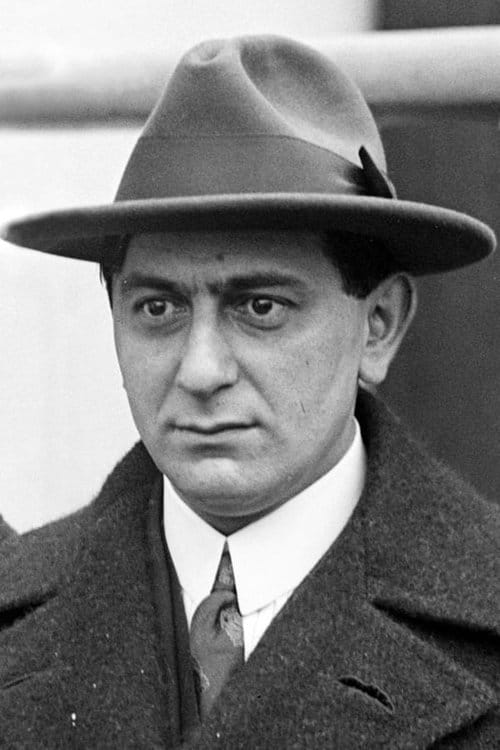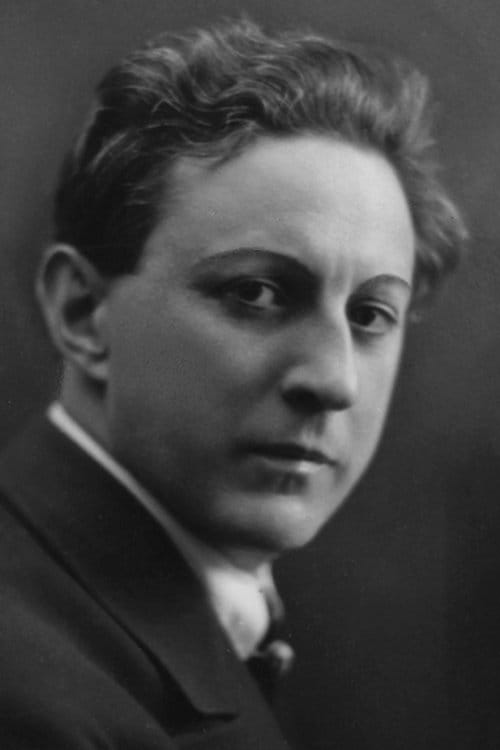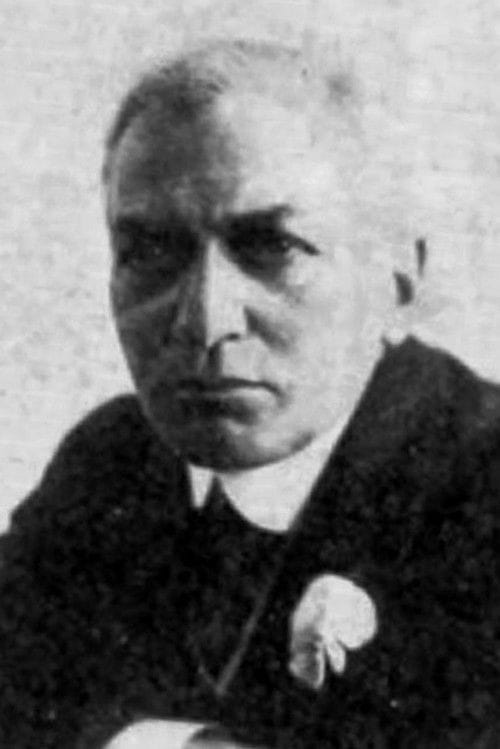
Edward José: Film Director & Cinematic Visionary
Edward José: A Forgotten Giant of Silent Cinema
Introduction & Early Life
Edward José, a name largely absent from contemporary film discourse, was a significant force in shaping American silent cinema during its formative years. Active primarily in the 1910s, José directed dozens of films, leaving an indelible mark on the industry and contributing significantly to the development of cinematic narrative and visual language. While his name may not resonate with modern audiences as readily as D.W. Griffith or Cecil B. DeMille, a thorough examination of his work reveals a director of considerable talent and innovation, worthy of rediscovery and appreciation.
Born Eduardo José Chibas in Rio de Janeiro, Brazil, on January 5, 1865, his early life remains somewhat shrouded in mystery. Information regarding his family background and early education is scarce. However, historical records suggest that José was a man of considerable linguistic and cultural fluency, hinting at a privileged upbringing and exposure to international influences. He spoke fluent French, which aided him greatly as he initially worked in that countries theaters and early film industry.
Before venturing into the nascent world of motion pictures, José enjoyed a successful career as a stage actor. Details about his theatrical career are fragmented, but it's believed that he performed in various European and American productions, honing his skills in performance and stagecraft. This experience would later prove invaluable in his transition to directing, providing him with a deep understanding of storytelling, character development, and visual composition.
The exact circumstances that led José to filmmaking remain unclear. However, it's likely that the burgeoning popularity and accessibility of motion pictures attracted him to the new medium. The early silent era was a period of experimentation and innovation, offering boundless opportunities for creative individuals to explore and define the cinematic landscape. Given his background in theater and his apparent ambition, José's move to directing seems a natural progression.
José immigrated to the United States and quickly established himself in the burgeoning film industry. He embraced the possibilities of the new medium, rapidly learning the technical and artistic aspects of filmmaking. It was in this dynamic and rapidly evolving environment that Edward José began his directorial journey, ultimately crafting a body of work that deserves greater recognition within the annals of film history.
Directorial Style & Signature Techniques
Edward José's directorial style, while not as overtly flamboyant as some of his contemporaries, was characterized by a meticulous attention to detail, a strong sense of visual storytelling, and a sophisticated understanding of dramatic pacing. He wasn't necessarily known for groundbreaking technical innovations, but rather for his ability to craft compelling narratives and elicit strong performances from his actors, often within the confines of the prevalent cinematic conventions of the time.
Emphasis on Visual Storytelling
In the silent era, visual storytelling was paramount. José excelled in this area, employing a variety of techniques to convey narrative information and emotional nuances without relying on dialogue. He utilized expressive cinematography, careful shot composition, and dynamic editing to guide the audience's eye and create a sense of immersion. While long shots were still common, Jose wasn't afraid to move the camera closer when the story needed it, giving an impression of urgency and focus. He made full use of intertitles, but kept them brief and to the point.
Performance-Driven Direction
José placed a strong emphasis on actor performance, recognizing its crucial role in engaging the audience and conveying the emotional core of the story. He worked closely with his actors, guiding their movements, expressions, and gestures to create believable and compelling characters. While the acting style of the silent era might seem exaggerated by today's standards, José's direction often sought to strike a balance between theatricality and realism, creating performances that were both engaging and emotionally resonant. The subtlety in his direction is a key factor that has aged his films fairly well.
Dramatic Pacing and Suspense
José understood the importance of dramatic pacing in building suspense and maintaining audience engagement. He masterfully controlled the rhythm of his films, varying the length of shots, the intensity of scenes, and the frequency of intertitles to create a dynamic and captivating viewing experience. He was particularly adept at building suspense through careful editing and strategic use of close-ups, creating a sense of anticipation and excitement.
Adaptation and Innovation Within Conventions
While working within the established conventions of the silent era, José wasn't afraid to experiment and push the boundaries of cinematic storytelling. He adapted popular novels and plays, often adding his own unique touches to the material. He also explored different genres, from romantic dramas to historical epics, demonstrating his versatility and willingness to embrace new challenges. The fact he survived the transition into longer feature film productions is a testament to his innate talent and ability to adapt to the demands of the industry.
Major Films & Career Highlights
Edward José's filmography is extensive, spanning a wide range of genres and production companies. Identifying his most significant works can be challenging, but several films stand out as particularly noteworthy examples of his directorial talent and contributions to the development of silent cinema. It's important to remember that many early films are lost or incomplete, making a full assessment of his oeuvre difficult.
The Eternal City (1915)
One of José's most ambitious and successful projects was The Eternal City, an epic drama based on the popular novel by Hall Caine. Filmed on location in Italy, the film boasted a large cast, elaborate sets, and stunning visuals. The Eternal City was a major box office success and helped to solidify José's reputation as a skilled and capable director of large-scale productions. The use of real locations and a sprawling narrative set it apart from many of its contemporaries.
Arms and the Woman (1916)
This war drama offered a look into the human cost of conflict and featured an impressive cast of talent, with many calling the performances of the lead actors a step above their past efforts. The production values were fairly high for its time, adding to its success. It's now a rare film due to a vault fire destroying many reels of the early production.
The Iron Ring (1917)
This is a compelling drama revolving around themes of ambition, betrayal, and redemption. The film garnered critical acclaim for its nuanced performances and its exploration of complex moral dilemmas. Jose effectively builds tension throughout the plot while maintaining a solid pace.
Poppy (1917)
Starring Norma Talmadge, this romantic comedy demonstrated José's ability to handle lighter material with the same skill and attention to detail that he brought to his more serious dramas. The film was a commercial success and helped to solidify Talmadge's status as one of the leading stars of the silent era. While Poppy may not be seen as a defining film by any means, it's important as it was part of a string of successful productions that established Jose as a capable director, able to complete diverse styles of movies.
Queen of the Sea (1918)
A fantasy epic that pushed the boundaries of what was possible with special effects at the time, Queen of the Sea tells a fantastical tale of underwater kingdoms and mythical creatures. While the special effects might seem rudimentary by today's standards, they were groundbreaking for their time and helped to create a sense of wonder and spectacle. The underwater scenes in particular were unique, even if they look somewhat ridiculous today, and have been praised for their ambitious scope.
These films represent just a small selection of Edward José's extensive body of work. He directed numerous other films in various genres, including westerns, comedies, and melodramas. While many of these films have been lost or forgotten, they all contribute to a broader understanding of José's career and his impact on the development of American silent cinema.
Collaborations & Influence
Edward José's career was marked by fruitful collaborations with many talented actors, writers, and technicians. These collaborations played a crucial role in shaping his directorial style and contributing to the success of his films. He also exerted an influence on other filmmakers, both directly and indirectly, helping to shape the cinematic landscape of the 1910s.
Working with Prominent Stars
José worked with some of the biggest stars of the silent era, including Norma Talmadge, Theda Bara, and William Farnum. His ability to elicit strong performances from these actors contributed significantly to the appeal and success of his films. He had a knack for recognizing and nurturing talent, and he helped to elevate the careers of many of his collaborators. His ability to work with leading ladies was a particularly important asset, and many actresses praised his collaborative and respectful approach to filmmaking.
Collaborating with Writers and Technicians
José also collaborated with talented writers and technicians, including cinematographers, editors, and art directors. These collaborations were essential in bringing his creative vision to life. He valued the input of his collaborators and fostered a collaborative environment on set. This collaborative spirit contributed to the high quality of his films and helped to establish a positive working relationship with many of the industry's leading professionals.
Influence on Other Filmmakers
While José's direct influence on later filmmakers is difficult to quantify, his work undoubtedly contributed to the development of cinematic storytelling and visual language. His films served as examples for other directors to follow, and his techniques were adopted and adapted by filmmakers across the industry. His emphasis on visual storytelling, strong performances, and dramatic pacing helped to shape the conventions of American silent cinema.
It is also worth noting that by hiring local European talent to work on some of his films, Jose facilitated a cross-pollination of cinematic styles and techniques that influenced American cinema and vice-versa. He indirectly helped to create a truly international style of film-making.
Awards & Recognition
Given the era in which Edward José worked, formal awards and recognition were not as prevalent as they are today. There were no Academy Awards ceremonies during his most prolific period. Therefore, his recognition came primarily in the form of critical acclaim, box office success, and industry respect.
His films often received positive reviews in trade publications and newspapers, praising his directorial skills, the quality of the performances, and the overall production values. The success of films such as *The Eternal City* and *Poppy* demonstrated his ability to connect with audiences and deliver commercially viable films. This success translated into continued opportunities to direct major productions and to work with some of the biggest stars of the silent era.
While specific awards might be absent from his biography, the consistent quality and commercial success of his films served as a testament to his talent and contribution to the industry. Ultimately, his legacy lies in the body of work he created and the influence he exerted on the development of American silent cinema.
Cultural Impact & Legacy
Edward José's cultural impact and legacy, while perhaps underestimated in modern film history, is significant. He contributed to the growth and development of American cinema during its formative years, helping to establish many of the conventions and techniques that would later become standard practice. His films entertained audiences, explored important social themes, and helped to shape the cultural landscape of the 1910s.
His ability to adapt literary works to the screen, as seen in *The Eternal City*, helped to bridge the gap between literature and cinema, expanding the reach and influence of both mediums. His films also reflected the social and cultural anxieties of the time, addressing themes such as war, immigration, and social inequality.
While his name may not be as widely recognized as some of his contemporaries, Edward José's contributions to the development of American silent cinema should not be overlooked. His talent, versatility, and dedication to his craft helped to shape the cinematic landscape of the 1910s and paved the way for future generations of filmmakers. Rediscovering and re-evaluating his work is essential for a more complete understanding of film history and the evolution of the art form.
The fact his films were successful and told unique stories is a testament to his contribution. While modern audiences may find his stories dated, there's still a wealth of entertainment available for those that choose to experience his past work. His legacy lives on in film archives around the world and in the history books that showcase his impact on a new medium.