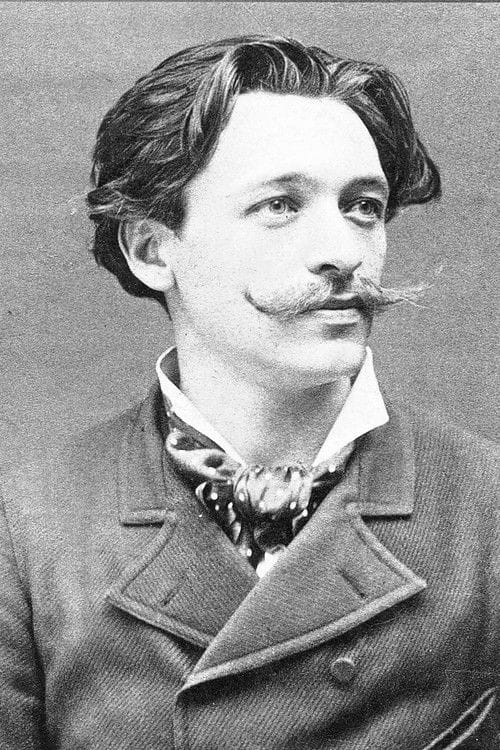
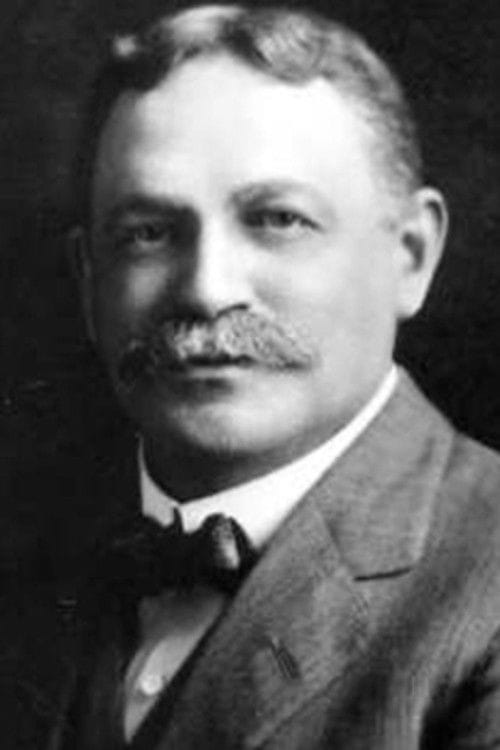
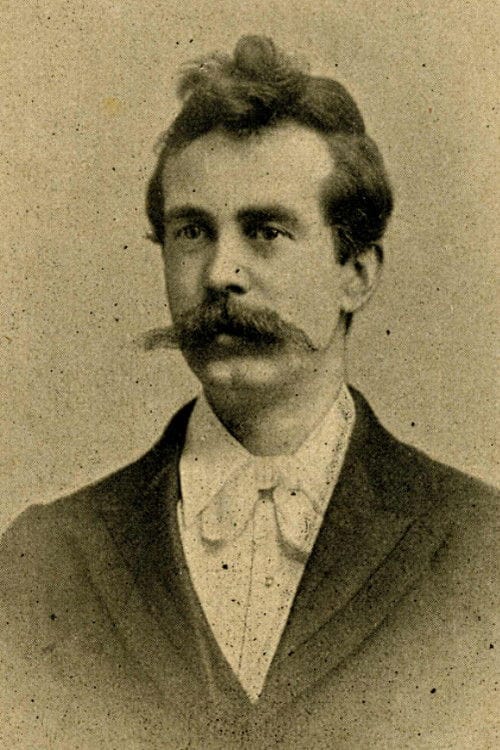
Eduard Schnedler-Sørensen: Film Director & Cinematic Visionary
Eduard Schnedler-Sørensen: A Pioneer of Danish Cinema
Eduard Schnedler-Sørensen, a name perhaps less familiar than his contemporaries in other burgeoning film industries, nevertheless stands as a cornerstone in the foundation of Danish cinema. Active during its crucial formative years, from approximately 1905 to 1910, Schnedler-Sørensen played a pivotal role in establishing the conventions, narratives, and visual language that would define early Danish filmmaking. His dedication, innovative spirit, and prolific output contributed significantly to shaping the industry in Denmark and leaving a lasting, albeit often understated, legacy.
1. Introduction & Early Life
The Dawn of Cinema in Denmark
The early 1900s marked a period of intense experimentation and discovery in the world of motion pictures. Cinema was transitioning from a novelty act in vaudeville theaters to a viable form of entertainment and storytelling. In Denmark, this burgeoning art form was taking root, fueled by the enthusiasm of entrepreneurs and artists eager to explore its possibilities. Eduard Schnedler-Sørensen emerged as a key figure during this exciting time, helping to lay the groundwork for a national cinematic identity.
Biographical Details & Background
While precise details of Eduard Schnedler-Sørensen's early life remain somewhat fragmented due to the limited historical documentation of the period, available records suggest he was born in Denmark in the late 19th century. Specific birth dates are often conflicting and lack verifiable sources. More important than the exact date of birth is understanding the cultural milieu that shaped his artistic sensibility. The Denmark of his youth was a society undergoing significant social and technological changes. The Industrial Revolution had a profound impact, and the country was witnessing urbanization and the rise of new artistic movements. This environment likely influenced Schnedler-Sørensen's perspective and his willingness to embrace the then-nascent art of filmmaking.
Information regarding his formal education or prior professional experience before entering the film industry is scarce. It is plausible that he possessed a background in theater, photography, or another visual art form, as these skills would have been highly valuable in the early days of cinema. The transition from these established arts to the innovative realm of moving pictures was a common path for many pioneers in the industry, and it is reasonable to assume a similar trajectory for Schnedler-Sørensen.
Entry into the Film Industry
Schnedler-Sørensen's entry into the film industry appears to have coincided with the establishment of Nordisk Film Kompagni (Nordisk Film Company) in 1906. This company, founded by Ole Olsen, would become a dominant force in Danish and international cinema. Schnedler-Sørensen quickly joined Nordisk Film, demonstrating a keen aptitude for directing and storytelling within this emerging medium. His early association with Nordisk Film placed him at the epicenter of Danish cinematic innovation, providing him with the resources and opportunities to develop his skills and contribute to the company's rapid growth.
2. Directorial Style & Signature Techniques
Early Cinematic Language
Working in the very early days of cinema, Schnedler-Sørensen's directorial style was shaped by the limitations and possibilities of the available technology and the prevailing aesthetic conventions. He embraced a relatively straightforward, theatrical approach, common among early filmmakers. Scenes were often filmed in long shots, resembling stage productions, with minimal camera movement. However, within these constraints, Schnedler-Sørensen began to explore the potential of cinematic storytelling.
Narrative Focus & Genre Conventions
Schnedler-Sørensen's films frequently featured narratives that drew inspiration from popular literature, contemporary social issues, and melodramatic tropes. He often adapted existing stories, bringing them to life on the screen for a wider audience. His filmography reveals a preference for genres that resonated with the audiences of the time, including dramas, comedies, and crime stories. He often incorporated elements of suspense and moral lessons into his narratives, reflecting the social and ethical concerns of the era. His work, while often melodramatic by modern standards, reflected the theatrical sensibilities of the time and the desire to engage audiences emotionally.
Use of Mise-en-Scène
While special effects and complex editing techniques were still in their infancy, Schnedler-Sørensen paid attention to the visual aspects of his films, employing careful mise-en-scène to enhance the narrative. He focused on creating visually appealing sets and costumes, contributing to the overall atmosphere and credibility of his stories. Lighting, while rudimentary by modern standards, was used to create mood and highlight important elements within the frame. Character blocking and stage direction, learned from the theatrical tradition, were crucial elements to his directing style as well.
Pace and Editing
Editing in Schnedler-Sørensen's films was relatively simple, consisting primarily of straight cuts between scenes. The pacing was generally slower than what modern audiences are accustomed to, allowing viewers time to absorb the visual information and follow the unfolding narrative. He, like many of his peers, was developing the grammar of film through trial and error, learning how to best control the flow of information and emotional impact through the arrangement of shots. Understanding that editing as a fundamental feature of film was still nascent, his attempts to use it to further narrative are key indicators of his evolution as a director.
3. Major Films & Career Highlights
The White Slave Trade (Den hvide Slavehandel) (1910)
Perhaps his most famous and controversial film, *The White Slave Trade*, dealt with the sensitive and sensational topic of human trafficking. This film, along with its sequels, brought Schnedler-Sørensen widespread recognition, both domestically and internationally. While the film's sensationalistic elements are undeniable, it also reflected a growing awareness of social issues and the exploitation of women. The film's success was partly due to its ability to tap into contemporary anxieties and concerns, making it a significant cultural phenomenon. Its graphic depiction of the subject matter for the time caused quite a stir and helped to solidify Nordisk Film's position as a major player in the international market.
An Artist's Love (Kunstnerens Kærlighed) (1909)
This dramatic film explored themes of love, sacrifice, and artistic expression. It exemplified Schnedler-Sørensen's skill in crafting emotionally engaging narratives with relatable characters. While specific details of the plot are often difficult to ascertain from the fragmented historical records, the film's title and genre suggest a focus on the romantic and professional challenges faced by artists. Films like this were popular amongst the emerging middle-class, who were increasingly interested in seeing representations of themselves and their aspirations on the screen.
Other Notable Works
Schnedler-Sørensen directed a significant number of short films and dramas during his career. While many of these works have been lost or are difficult to access today, their titles provide a glimpse into the range of themes and genres he explored. These included comedies, romances, and adaptations of popular stories. His prolific output demonstrates his dedication to the craft and his commitment to providing entertainment for the growing cinema audience. He was, in essence, helping to build a film industry from the ground up, one film at a time.
Significance of these Films
These films, particularly *The White Slave Trade*, were instrumental in establishing Nordisk Film as a major force in the international film market. Their success demonstrated the potential of Danish cinema and paved the way for future filmmakers to explore more complex and ambitious narratives. Schnedler-Sørensen's ability to connect with audiences through engaging stories and visually appealing productions was a key factor in his success and the success of Nordisk Film.
4. Collaborations & Influence
Working with Nordisk Film
Schnedler-Sørensen's career was inextricably linked to Nordisk Film. He collaborated closely with Ole Olsen, the company's founder, and other key personnel to create a steady stream of commercially successful films. His role as a director was crucial in shaping Nordisk Film's early output and establishing its reputation for quality and innovation. He was a vital component of the company's production pipeline, contributing his creative talents and technical expertise to ensure its continued success.
Influence on Contemporary Filmmakers
While the direct influence of Schnedler-Sørensen on later generations of filmmakers is difficult to quantify, his work undoubtedly contributed to the development of Danish cinema as a whole. His exploration of narrative techniques, genre conventions, and visual storytelling helped to lay the foundation for future filmmakers to build upon. He was part of a collective effort to define the language of cinema in Denmark, and his contributions should not be underestimated.
Relationship with Actors
Although detailed records regarding his relationship with specific actors are limited, it is clear that Schnedler-Sørensen played a crucial role in shaping the performances of the actors he directed. As a director, he would have been responsible for guiding their interpretations of the characters and ensuring that their performances aligned with his vision for the film. While their names are now largely forgotten, the actors who worked with Schnedler-Sørensen were instrumental in bringing his stories to life on the screen.
5. Awards & Recognition
Recognition During His Time
During his active years, Schnedler-Sørensen likely garnered recognition within the Danish film industry and among audiences for his popular films. However, formal award systems as we know them today were not yet fully established during the early years of cinema. Success was measured primarily by box office returns and the popularity of his films among viewers. *The White Slave Trade*, in particular, would have brought him considerable attention, both positive and negative, due to its controversial subject matter.
Later Recognition & Rediscovery
In recent years, film historians and scholars have begun to re-evaluate the contributions of early filmmakers like Schnedler-Sørensen. While he may not be a household name, his importance in the development of Danish cinema is increasingly recognized. Retrospectives of his work and scholarly articles examining his films have helped to shed light on his achievements and contributions to the art form. As more archival material becomes available, it is likely that his legacy will continue to be reassessed and appreciated.
6. Cultural Impact & Legacy
Contribution to Early Cinema
Eduard Schnedler-Sørensen's most significant contribution lies in his role as a pioneer of Danish cinema. He was instrumental in establishing the industry in Denmark, creating a body of work that entertained audiences and paved the way for future filmmakers. His films, while often simple in their narrative and execution, reflected the social and cultural concerns of the time and helped to shape the identity of Danish cinema.
Impact on Danish Identity
By telling stories that resonated with Danish audiences, Schnedler-Sørensen helped to create a shared cultural experience and contribute to the development of a national identity through cinema. His films, particularly those that dealt with contemporary social issues, provided a platform for discussing important topics and shaping public opinion. In this sense, he was not just an entertainer, but also a cultural commentator.
Enduring Legacy
Though often overlooked, Schnedler-Sørensen's legacy endures in the foundation he helped to build for Danish cinema. His contributions paved the way for the internationally acclaimed Danish filmmakers who followed, and his work serves as a reminder of the importance of experimentation and innovation in the early days of the art form. He represents a crucial link in the chain of cinematic history, connecting the earliest experiments in motion pictures to the sophisticated and diverse film industry that exists today. His films, though sometimes incomplete or difficult to find, are important documents of their time, offering valuable insights into the social, cultural, and artistic landscape of early 20th-century Denmark.