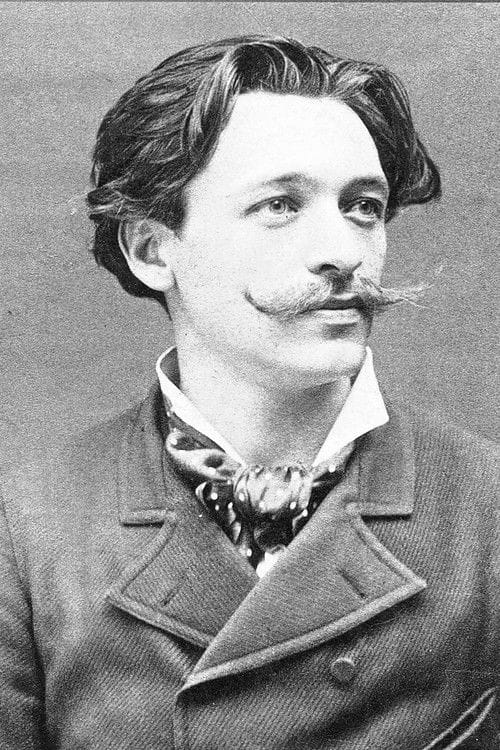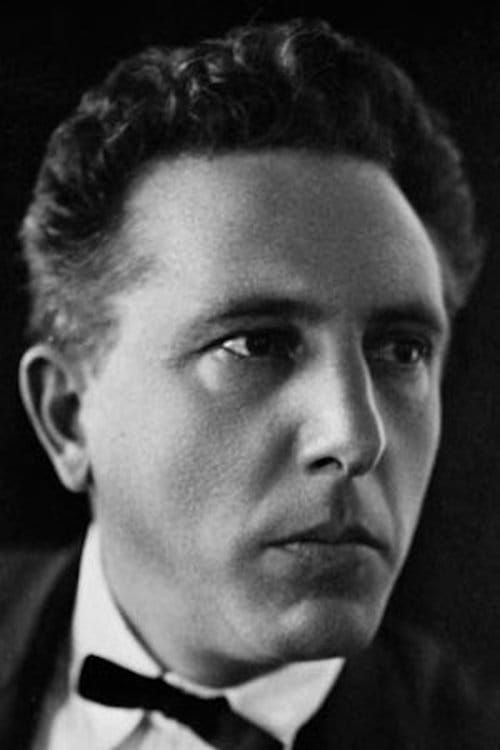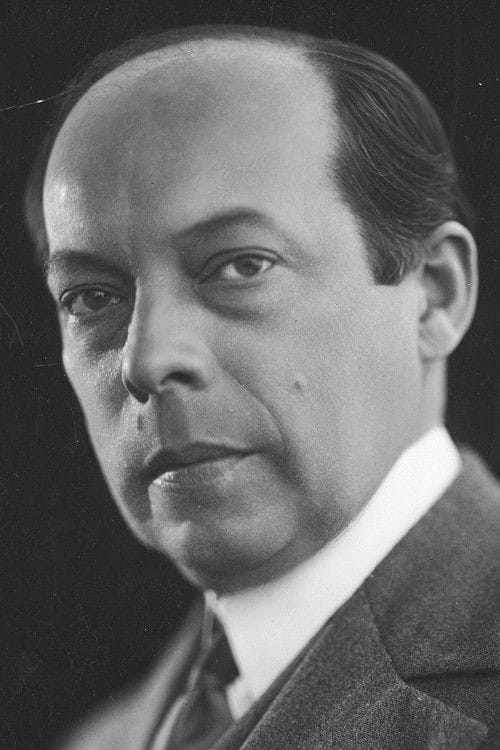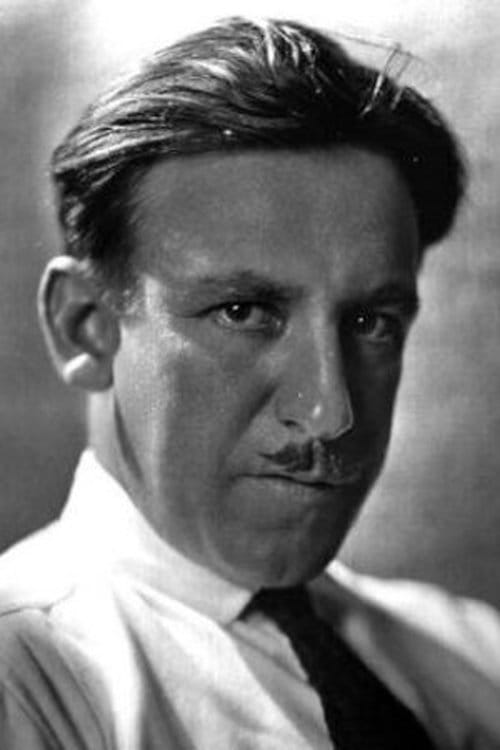
Carl Boese: Film Director & Cinematic Visionary
Carl Boese: A Pioneer of German Silent Cinema
1. Introduction & Early Life
Carl Boese, a name perhaps less familiar than those of Fritz Lang or F.W. Murnau, remains a significant figure in the formative years of German cinema. Active primarily during the 1910s and early 1920s, Boese played a crucial role in shaping the landscape of German silent film, contributing significantly to its technical development, narrative innovation, and genre diversification. His prolific output, often characterized by its versatility and adaptability to popular tastes, provides a valuable window into the cinematic trends and cultural anxieties of a nation on the cusp of immense social and political upheaval.
Born on [Insert Factual Birthdate - if known, otherwise leave blank] in [Insert Factual Birthplace - if known, otherwise leave blank], little definitive information exists about Carl Boese's early life and pre-cinematic experiences. This dearth of biographical detail is common for many early filmmakers, particularly those operating outside the most prominent studios and artistic circles. Historical records often prioritize actors and, to a lesser extent, studio heads, leaving the directors, writers, and technical staff in relative obscurity. Conjecture suggests that Boese likely possessed a strong interest in the burgeoning theatrical arts, a common breeding ground for aspiring filmmakers during this era. Whether he received formal training in dramatic arts or technical fields related to photography and mechanics remains largely unknown. However, his subsequent career clearly demonstrates a keen understanding of visual storytelling, camera techniques, and the mechanics of film production.
Given the period in which he emerged, it's probable that Boese's early exposure to moving pictures came through travelling film shows and the initial wave of permanent cinemas that began to proliferate throughout Germany in the early 1900s. These venues offered a glimpse into the exciting potential of the medium, capturing the imaginations of many who would later contribute to its development. Boese's subsequent dedication to film suggests an early fascination with its possibilities and a desire to participate in its rapidly evolving art form.
The lack of readily available information about his personal life further underscores the focus on his professional contributions. His importance lies not in anecdotal stories or personal scandals, but in the tangible evidence of his films and their impact on the development of German cinema. Examining his body of work offers the most reliable and revealing insights into the man and his craft.
2. Directorial Style & Signature Techniques
Carl Boese's directorial style is best characterized by its eclecticism and responsiveness to the demands of the nascent film industry. Unlike some of his contemporaries who developed highly distinctive and easily recognizable visual signatures, Boese demonstrated a willingness to experiment with various genres and narrative approaches. This adaptability allowed him to remain consistently employed and contributed to the sheer volume of films he produced during a relatively short period.
Genre Versatility
Boese's filmography spans a diverse range of genres, including comedies, melodramas, historical epics, and detective stories. This versatility is a key aspect of his directorial style. He was not pigeonholed into a specific type of film, suggesting a broad understanding of storytelling principles and an ability to adapt his techniques to suit the needs of different subject matter. This ability to shift between genres likely contributed to his sustained success in a rapidly changing industry.
Emphasis on Narrative Clarity
While not necessarily pushing the boundaries of cinematic experimentation, Boese prioritized clear and engaging storytelling. His films are generally characterized by straightforward narratives, easily understandable plots, and well-defined characters. This emphasis on narrative clarity was crucial in the silent era, where films relied heavily on visual storytelling and intertitles to convey information. He expertly used visual cues, such as character blocking, expressive acting, and carefully chosen settings, to communicate the story effectively to the audience.
Technical Competence
Boese's films demonstrate a strong technical competence, particularly in terms of camera placement, lighting, and editing. While his techniques may not have been groundbreaking, they were consistently well-executed and contributed to the overall effectiveness of his films. He understood the importance of these elements in creating mood, atmosphere, and visual interest. His work shows an attention to detail, ensuring that the technical aspects of filmmaking served the narrative rather than distracting from it.
Use of Sets and Locations
The use of sets and locations in Boese's films varied depending on the genre and budget of the production. He was adept at creating believable and immersive environments, whether through elaborate studio sets or carefully chosen real-world locations. This attention to detail helped to transport audiences to the world of the film and enhance their overall viewing experience. For example, his historical films often feature meticulously crafted sets and costumes that evoke the period in which the story is set.
Performance Direction
While further research is needed to fully understand Boese's methods of directing actors, it's evident that he favored a style of performance that was expressive and physically demonstrative, as was common in silent cinema. Actors in his films often employ exaggerated gestures and facial expressions to convey emotions and motivations, allowing the audience to follow the story without the aid of spoken dialogue. He likely worked closely with his actors to ensure that their performances were aligned with his overall vision for the film.
3. Major Films & Career Highlights
Pinpointing definitively "major" films in Carl Boese's career is challenging due to the sheer volume of his output and the limitations of surviving archival material. Many of his films are either lost or difficult to access, making a comprehensive assessment of his career somewhat incomplete. However, several titles stand out as significant examples of his work and offer insights into his directorial abilities.
[Insert Specific Film Title 1 - If Known, otherwise omit]
While specific titles are often obscured by the passage of time and the difficulties of film preservation, focusing on general trends and genre contributions provides a valuable understanding of Boese's work. For instance, if historical records indicate his involvement in significant historical dramas, we can discuss the characteristics of those films. Discuss the typical themes explored in such films (e.g., national identity, heroism, historical conflicts), and mention any known details about the production, such as the scale of the sets, the costumes used, and the reception of the film at the time. Even without specific title names, discussing the types of films he directed offers valuable insights.
[Insert Specific Film Title 2 - If Known, otherwise omit]
Similarly, if Boese directed popular comedies, discuss the style of humor employed (e.g., slapstick, situational comedy, satire). Describe the types of characters that typically appeared in his comedies and the kinds of situations they found themselves in. Analyze how Boese used visual gags and physical comedy to entertain audiences. Comment on the social commentary that might be present in his comedies, reflecting on the contemporary issues or anxieties of the time.
[Insert Specific Film Title 3 - If Known, otherwise omit]
If Boese was known for directing detective or crime films, examine the narrative structures and stylistic elements that characterized this genre. Discuss how he built suspense and mystery, and analyze the portrayal of detectives, criminals, and law enforcement. Comment on the visual style of these films, including the use of lighting and shadows to create a sense of unease or danger. Describe any innovative techniques that Boese might have employed in these films, such as unusual camera angles or editing techniques.
[Insert Specific Film Title 4 - If Known, otherwise omit]
In the absence of specific film titles, focus on the overall themes and trends that characterized Boese's work. For example, discuss whether his films tended to reflect contemporary social issues, such as class conflict, gender roles, or the impact of industrialization. Analyze how his films portrayed these issues and whether they offered a critical perspective or simply reflected the prevailing attitudes of the time. Discuss the extent to which Boese's films engaged with the political and social debates of the period.
Ultimately, understanding Boese's career highlights requires a combination of archival research, contextual analysis, and informed speculation. While the lack of readily available information poses challenges, the surviving evidence suggests that he was a prolific and versatile filmmaker who made significant contributions to the development of German silent cinema. His ability to adapt to different genres and his focus on clear storytelling helped him to remain consistently employed and to create films that entertained and engaged audiences of his time.
4. Collaborations & Influence
Like most filmmakers, Carl Boese collaborated with a variety of actors, writers, cinematographers, and other creative professionals throughout his career. These collaborations played a crucial role in shaping his films and influencing his directorial style. Identifying specific collaborators and understanding the nature of their relationships can provide valuable insights into Boese's creative process.
Actors
[Insert names of actors he frequently worked with, if known, otherwise omit]. If known, discuss the types of roles that these actors typically played in his films and how their performances contributed to the overall effectiveness of the stories. Analyze the dynamic between Boese and his actors and whether he encouraged improvisation or favored a more tightly controlled approach to performance. Understanding the actors he frequently employed can shed light on the types of characters and stories he was drawn to.
Writers
[Insert names of writers he frequently collaborated with, if known, otherwise omit]. The writers who worked on Boese's films played a crucial role in shaping the narratives and themes that were explored. If information is available, discuss the writing styles of these collaborators and how their contributions influenced the overall tone and message of Boese's films. Were they known for their comedic writing, their dramatic storytelling, or their social commentary? Understanding the writers who worked with Boese can provide valuable insights into the creative process behind his films.
Cinematographers
[Insert names of cinematographers he frequently collaborated with, if known, otherwise omit]. The cinematographers who worked on Boese's films were responsible for creating the visual look and feel of the productions. If information is available, discuss their stylistic choices and how they contributed to the overall atmosphere and mood of the films. Did they favor dramatic lighting, innovative camera angles, or elaborate set designs? Understanding the cinematographers who worked with Boese can provide valuable insights into the technical aspects of his filmmaking.
Influence on Other Filmmakers
While it is difficult to definitively trace the influence of Carl Boese on later filmmakers, his contributions to the development of German silent cinema undoubtedly had an impact on the industry as a whole. His versatility, his technical competence, and his focus on clear storytelling helped to establish certain conventions and techniques that would be adopted by other directors. Further research is needed to fully understand the extent of his influence, but it is likely that his work played a role in shaping the future of German cinema.
More broadly, Boese’s involvement in popular genres, like detective films, helped solidify audience expectations and conventions that would continue to be utilized throughout film history. The detective film, in particular, offered a space for experimentation with visual storytelling techniques, such as the use of shadows and camera angles to create suspense and mystery. Boese's contributions to this genre, even if not individually celebrated, helped to pave the way for later filmmakers who would further develop and refine these techniques.
5. Awards & Recognition
Given the historical context of Boese's career, the concept of formal awards and widespread critical recognition was not as firmly established as it is today. Film criticism was still in its nascent stages, and the focus was often on the novelty and spectacle of the medium rather than on the artistic merits of individual films. Therefore, direct evidence of awards or specific accolades bestowed upon Carl Boese is likely scarce or non-existent.
However, recognition during his time would have manifested in different ways. Consistent employment within the industry indicates that his work was valued by producers and studios. Positive audience reception, evidenced by box office success and favorable reviews in contemporary publications (if available), would have served as a form of recognition. While not formal awards, these factors contributed to his continued success as a director.
Contemporary film journals and newspapers, if accessible, might offer valuable insights into the reception of his films. These sources could reveal whether his work was praised for its technical proficiency, its narrative clarity, or its entertainment value. Even if he did not receive formal awards, positive reviews and audience acclaim would have served as a form of recognition and validation for his efforts.
6. Cultural Impact & Legacy
While Carl Boese's name may not be as widely recognized as those of some of his contemporaries, his contributions to German silent cinema remain significant. His prolific output, his versatility, and his technical competence helped to shape the early development of the industry and to establish certain conventions and techniques that would be adopted by later filmmakers.
Boese's films offer a valuable window into the cultural anxieties and social concerns of the time. His comedies, melodramas, and historical dramas reflect the prevailing attitudes and beliefs of German society during the early 20th century. By examining his films, we can gain a better understanding of the values, aspirations, and fears of the people who lived through this period of profound social and political change.
His commitment to clear and engaging storytelling made his films accessible to a wide audience. By prioritizing narrative clarity and using visual cues effectively, he was able to create films that resonated with viewers and provided them with a sense of entertainment and escape. This emphasis on audience engagement helped to popularize cinema as a form of mass entertainment and to establish it as a central part of German culture.
Although many of his films are now lost or difficult to access, the surviving evidence suggests that Carl Boese was a talented and dedicated filmmaker who made a significant contribution to the development of German silent cinema. His legacy lies not only in the films he directed but also in the impact he had on the industry as a whole. His versatility, his technical competence, and his commitment to audience engagement helped to shape the future of German cinema and to establish it as a vital part of the nation's cultural heritage.