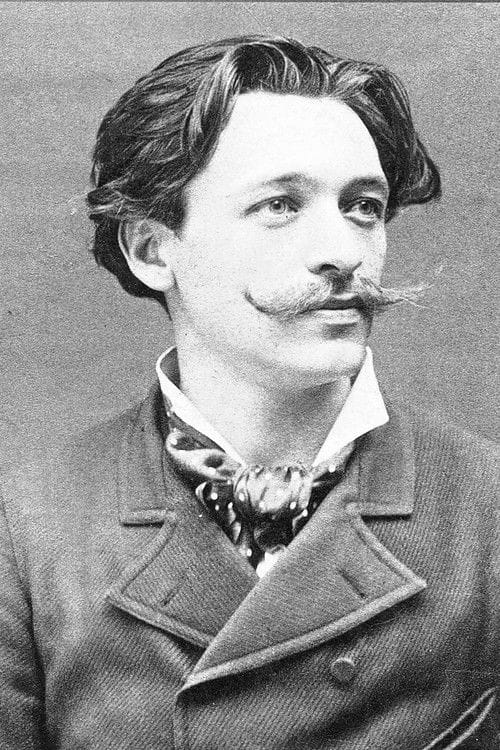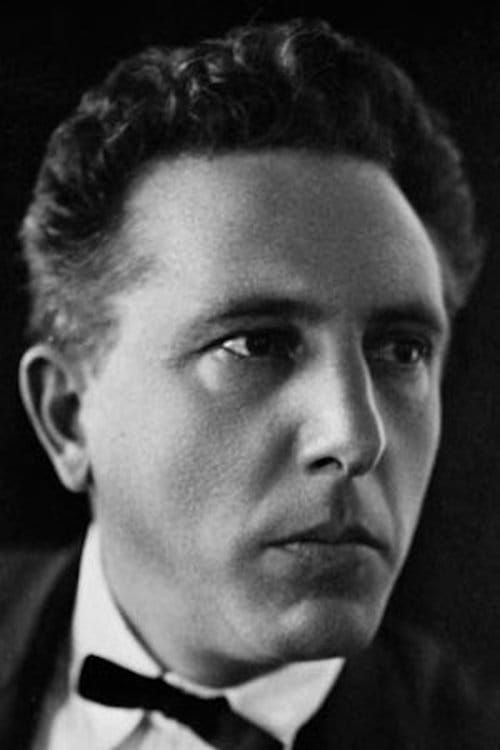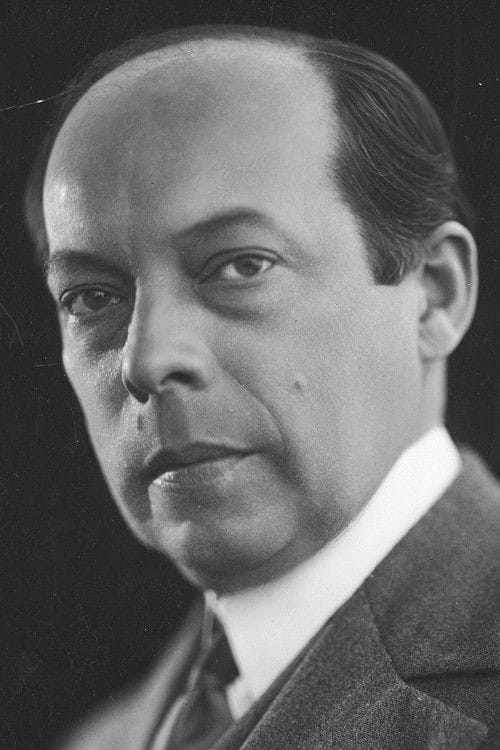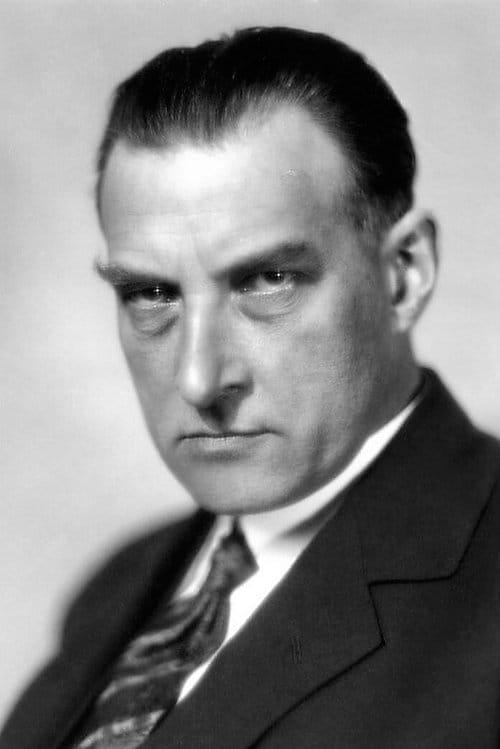
Benjamin Christensen: Film Director & Cinematic Visionary
Benjamin Christensen: A Pioneer of Cinematic Horror and Documentary Realism
Introduction & Early Life
Benjamin Christensen, a name often whispered with reverence in the annals of early cinema, stands as a pivotal figure in the development of both horror and documentary filmmaking. Born on September 28, 1879, in Viborg, Denmark, Christensen's trajectory from a medical student to a celebrated, albeit sometimes controversial, director is a testament to his diverse interests and pioneering spirit. His work, particularly during the 1910s and early 1920s, remains a significant landmark, influencing generations of filmmakers with its innovative techniques and unique blend of spectacle and realism.
Christensen’s early life offers few concrete hints of the artistic path he would later forge. Details about his childhood and formative years are relatively scarce, shrouded in the mists of early film history. He initially pursued a career in medicine, enrolling as a medical student. This scientific background, however, proved surprisingly relevant to his cinematic endeavors. His meticulous research and analytical approach, honed through scientific study, became hallmarks of his filmmaking, particularly evident in his most famous work, *Häxan* (1922).
Before committing himself fully to directing, Christensen explored other avenues of artistic expression. He possessed a strong baritone voice and briefly pursued a career as an opera singer. While this venture proved short-lived, it undoubtedly contributed to his understanding of performance and visual storytelling. He also gained experience working as an actor, further refining his understanding of how to connect with an audience and convey emotions on screen. It was this multifaceted background, combining scientific rigor, artistic inclination, and performing arts experience, that ultimately prepared him for his groundbreaking career in cinema.
His transition into filmmaking seems almost accidental, yet it was a decision that irrevocably shaped the landscape of early horror and documentary. Christensen's unique vision, informed by his diverse experiences, allowed him to approach filmmaking with a perspective unlike any of his contemporaries, setting him apart as a true innovator and visionary.
Directorial Style & Signature Techniques
Benjamin Christensen's directorial style was characterized by a bold and innovative approach that defied easy categorization. He masterfully blended elements of documentary realism with theatrical spectacle, creating a unique visual language that captivated and often disturbed audiences. His films are marked by a meticulous attention to detail, rigorous historical research, and a willingness to push the boundaries of what was considered acceptable on screen.
Blending Documentary Realism and Theatrical Spectacle
One of Christensen's defining characteristics was his ability to seamlessly integrate documentary techniques into narratives that were often sensational or fantastical. He approached his subjects with a scientific eye, meticulously researching historical sources and consulting with experts to ensure accuracy in his depictions. This commitment to realism lent credibility to even the most outlandish scenarios, grounding them in a palpable sense of authenticity. At the same time, Christensen was not afraid to embrace theatricality, employing dramatic lighting, elaborate costumes, and exaggerated performances to heighten the emotional impact of his films. This fusion of realism and spectacle created a uniquely powerful and unsettling viewing experience.
Innovative Use of Visual Effects and Camera Techniques
Christensen was a pioneer in the use of visual effects and camera techniques to create atmosphere and enhance storytelling. In *Häxan*, for example, he employed a range of innovative techniques, including stop-motion animation, double exposure, and carefully constructed miniatures, to bring his depictions of medieval witchcraft to life. He also made extensive use of close-ups and unconventional camera angles to draw the viewer into the action and create a sense of immediacy. His willingness to experiment with these techniques set him apart from many of his contemporaries and paved the way for future generations of filmmakers.
Emphasis on Authentic Setting and Costume Design
Another key element of Christensen's directorial style was his emphasis on authentic setting and costume design. He meticulously researched the historical periods depicted in his films and went to great lengths to recreate them on screen. He insisted on using authentic props and costumes whenever possible, and he paid close attention to details such as architecture, furniture, and everyday objects. This commitment to authenticity further enhanced the realism of his films and helped to immerse the viewer in the world of the story.
Exploration of Dark Themes and Psychological Complexity
Christensen was not afraid to delve into dark and disturbing themes in his films. He explored subjects such as witchcraft, religious fanaticism, and psychological trauma with unflinching honesty and a keen eye for detail. His films often challenged conventional morality and questioned the accepted norms of society. This willingness to tackle difficult subjects made him a controversial figure in his time, but it also solidified his reputation as a bold and innovative filmmaker who was not afraid to push the boundaries of cinematic expression.
Major Films & Career Highlights
Benjamin Christensen's filmography, though relatively small, is packed with groundbreaking works that have left an indelible mark on cinema. His most famous film, *Häxan* (1922), often referred to as *Witchcraft Through the Ages*, stands as a cornerstone of early horror and documentary filmmaking. However, his earlier work, *Det hemmelighedsfulde X* (*Sealed Orders*, 1914), also demonstrates his innovative approach to storytelling and visual techniques.
*Det hemmelighedsfulde X* (Sealed Orders, 1914)
*Det hemmelighedsfulde X* is a Danish silent spy film that marked Christensen's directorial debut. While not as widely recognized as *Häxan*, it is a significant work in its own right, showcasing his early talent for visual storytelling and suspense. The film tells the story of a naval officer who is falsely accused of treason and must clear his name. Christensen demonstrated early mastery of dramatic lighting and inventive camera angles to create a tense and gripping atmosphere. The film was a critical and commercial success in Denmark and established Christensen as a promising new talent in the film industry. He also played the lead role in the film, demonstrating his versatility as both a director and actor.
*Häxan* (Witchcraft Through the Ages, 1922)
Without a doubt, *Häxan* is Christensen's masterpiece and his most enduring contribution to cinema. This groundbreaking film is a unique blend of documentary and horror, exploring the history of witchcraft from the Middle Ages to the early 20th century. Christensen utilized meticulous research and historical sources to create a visually stunning and often disturbing depiction of medieval beliefs and practices. The film features elaborate costumes, grotesque makeup, and innovative special effects that were ahead of their time. Christensen himself appears in the film as both Satan and a medieval physician, further blurring the lines between documentary and fiction. *Häxan* was controversial upon its release due to its graphic depictions of torture, nudity, and satanic rituals. However, it has since been recognized as a landmark achievement in cinematic history, celebrated for its innovative techniques, its unflinching exploration of dark themes, and its enduring power to shock and fascinate audiences.
Later Career & American Films
Following the success of *Häxan*, Christensen was invited to work in Hollywood, where he directed two films for MGM: *The Devil's Circus* (1926) and *Mockery* (1927), starring Lon Chaney. While these films demonstrated his continued talent for visual storytelling and atmospheric horror, they were less groundbreaking than his earlier work. *The Devil's Circus* tells the story of a brutal circus performer, while *Mockery* is a historical drama set in Russia during the revolution. Unfortunately, Christensen found it difficult to navigate the Hollywood studio system, and he eventually returned to Denmark.
In the later part of his career, Christensen continued to work as a director in Denmark and Sweden, but he never achieved the same level of international recognition that he had with *Häxan*. His later films include *Skibet gaar videre* (The Ship Sails On, 1924) and *Seven Footprints to Satan* (1929), demonstrating his continued interest in suspense and mystery. While these films are less well-known than *Häxan*, they are still worthy of attention for their visual style and their exploration of complex themes. Christensen's career highlights underscore his profound influence on film history, solidifying him as an avant-garde director.
Collaborations & Influence
Benjamin Christensen's impact on cinema extends beyond his own directorial efforts. While he didn't necessarily foster long-term collaborations in the traditional sense, his work undoubtedly influenced countless filmmakers and artists who followed in his footsteps. The nature of early cinema production also meant that collaborations were often less formalized than they are today.
Indirect Collaborations through Inspiration
One way to understand Christensen's collaborations is through the lens of influence. Many directors and special effects artists drew inspiration from his innovative techniques and visual style. His use of practical effects in *Häxan*, for example, inspired generations of horror filmmakers to explore the possibilities of creating terrifying images without relying solely on CGI. Similarly, his blend of documentary realism and theatrical spectacle influenced filmmakers working in a variety of genres, from horror to historical drama.
Lon Chaney and the Hollywood Experience
His collaboration with Lon Chaney on *The Devil's Circus* and *Mockery* in Hollywood provided a fascinating, albeit brief, connection to one of the most iconic actors of the silent era. Chaney, known for his transformative makeup and intense performances, was a natural fit for Christensen's dark and atmospheric style. While the films themselves are not considered Christensen's best work, they offer a glimpse into his ability to work with established stars and adapt his vision to the demands of the Hollywood studio system.
Influence on Later Filmmakers
The influence of Christensen can be seen in the works of filmmakers like F.W. Murnau, whose expressionistic style and use of light and shadow echo elements of Christensen's visual language. Moreover, directors working in the mockumentary format owe a debt to *Häxan*'s innovative blend of fact and fiction. Its influence can also be felt in the work of modern filmmakers who are pushing the boundaries of horror and documentary filmmaking, demonstrating the timeless appeal and enduring relevance of Christensen's vision. Through inspiring other filmmakers and contributing to their artistic vision, Christensen’s collaboration and influence can be clearly seen.
Awards & Recognition
While Benjamin Christensen did not receive a plethora of formal awards during his lifetime, his work has been recognized and celebrated by film historians and critics for decades. The lack of widespread awards during his active career is partially attributable to the nascent stage of the film industry during his most prolific period, and the evolving nature of film criticism.
Retrospective Recognition for *Häxan*
*Häxan*, in particular, has received significant retrospective recognition. It is frequently included on lists of the greatest horror films of all time and is often cited as a key influence on the development of the genre. Film festivals dedicated to classic and cult cinema often screen *Häxan*, allowing new generations of audiences to discover its unique power and artistry. Film scholars and critics continue to analyze and interpret the film, uncovering new layers of meaning and appreciating its groundbreaking techniques.
Legacy of Innovation
Ultimately, Christensen's greatest reward is the enduring legacy of his innovative filmmaking. His films continue to inspire and challenge audiences, and his techniques continue to be studied and emulated by filmmakers around the world. The recognition he has received posthumously solidifies his place as a true visionary and a pioneer of cinematic art. His awards and recognition stem from his dedication to his craft and willingness to try new things, making him a legend in the film world.
Cultural Impact & Legacy
Benjamin Christensen's cultural impact is far-reaching, extending beyond the realm of film into broader discussions of history, religion, and the representation of marginalized groups. His films, particularly *Häxan*, have sparked countless debates and interpretations, challenging viewers to confront uncomfortable truths about the past and the present.
Challenging Conventional Narratives
Christensen's work often challenged conventional narratives and questioned the accepted norms of society. *Häxan*, for example, offered a sympathetic portrayal of women accused of witchcraft, suggesting that they were often victims of superstition and persecution rather than agents of evil. This perspective was groundbreaking for its time and continues to resonate with audiences today. By presenting alternative viewpoints and challenging dominant ideologies, Christensen's films have contributed to a more nuanced and complex understanding of history and culture.
Enduring Influence on Horror and Documentary
His legacy continues to be felt in the realm of horror and documentary. His pioneering use of special effects, his blend of fact and fiction, and his willingness to explore dark and disturbing themes have all influenced generations of filmmakers. His work serves as a reminder that cinema can be a powerful tool for exploring complex ideas and challenging viewers to think critically about the world around them. In the realm of documentary, Christensen's meticulous research and commitment to authenticity have set a high standard for factual filmmaking.
A Timeless Vision
Benjamin Christensen's impact on cinema is undeniable. He was a true innovator, a visionary artist who pushed the boundaries of cinematic expression. His films continue to captivate and disturb audiences, challenging them to confront uncomfortable truths and question the accepted norms of society. His legacy is one of boldness, innovation, and a relentless pursuit of artistic truth. Despite the passage of time, Benjamin Christensen's films remain relevant, compelling, and deeply thought-provoking, solidifying his place as a giant of early cinema and a true master of his craft. His vision stands the test of time.