Augusto Genina: Film Director & Cinematic Visionary
Augusto Genina: A Pioneer of Italian Silent Cinema
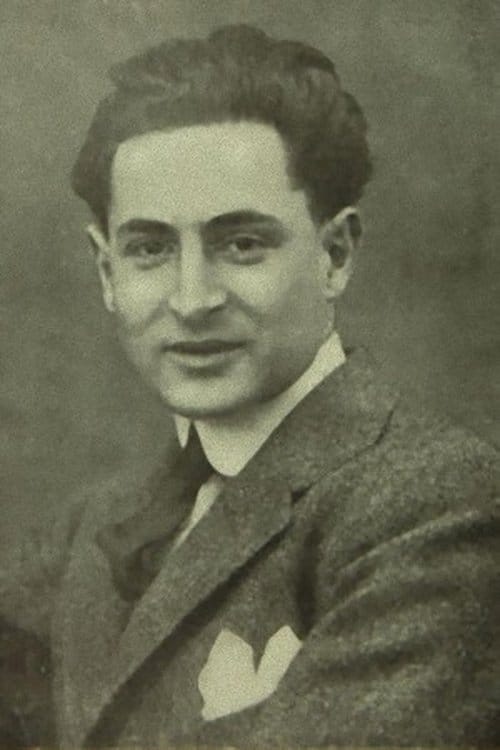
Augusto Genina (January 28, 1892 – September 18, 1957) remains a somewhat under-appreciated figure in the pantheon of early Italian cinema. While names like Giovanni Pastrone (Cabiria) often dominate discussions of the era, Genina carved out a significant niche with his prolific output and innovative approach to filmmaking, particularly during the silent era and extending well into the sound era. This biography aims to shed light on his life, work, and lasting contribution to the development of Italian film. He was instrumental in shaping genres and techniques that would become hallmarks of Italian cinema for decades to come. Genina’s career, spanning from the very dawn of Italian feature films to the post-war period, provides a fascinating window into the evolution of cinematic storytelling itself. This article seeks to illuminate his vital role in the formative years of the industry.
Early Life and Influences
Born in Rome in 1892, Augusto Genina’s early life provided little indication of the cinematic path he would eventually forge. Information on his childhood and adolescence is scarce, but it is known that he initially pursued literary and artistic interests. His early exposure to Rome’s vibrant artistic scene likely fueled his creative aspirations. The burgeoning Italian film industry, centered primarily in Turin and Rome, would have been impossible to ignore. The allure of storytelling through the relatively new medium of film proved irresistible, particularly as the industry began to move beyond simple actualities and embrace narrative fiction.
While the precise details of his entry into filmmaking are unclear, it’s likely that Genina gained experience through various roles on early film sets, absorbing the technical and artistic aspects of production. In this early period of cinema, many filmmakers learned on the job, experimenting and innovating as they went. The rapid expansion of the Italian film industry created opportunities for young, ambitious individuals like Genina to make their mark. His early career was most likely a mix of writing, assistant directing, and observing seasoned professionals. This hands-on training equipped him with the necessary skills to eventually step into the director's chair.
The Italian film industry of the 1910s was characterized by grand historical epics, melodramatic romances, and comedies. While Genina would dabble in these genres, he also demonstrated an early interest in exploring more contemporary themes and narratives. This willingness to experiment and push boundaries would become a defining characteristic of his directorial style.
Directorial Style & Signature Techniques
Augusto Genina's directorial style, particularly in his early work, was characterized by a blend of classical storytelling and a willingness to experiment with emerging cinematic techniques. He wasn't as flamboyant or visually groundbreaking as some of his contemporaries, but his strength lay in his ability to craft compelling narratives and elicit strong performances from his actors. Genina's work demonstrated a clear understanding of the power of editing to shape the audience's experience, and he employed it effectively to build suspense, create emotional resonance, and maintain a brisk pace.
Narrative Structure & Pacing
Genina typically favored linear narratives with clearly defined characters and plotlines. His stories were often rooted in realistic settings and dealt with relatable human emotions, such as love, loss, ambition, and betrayal. While he wasn't afraid to incorporate melodramatic elements, he generally avoided excessive sentimentality, preferring a more understated and naturalistic approach. He was a master of pacing, knowing when to linger on a particular scene to build tension or emotional impact, and when to move the story forward swiftly to maintain audience engagement. This careful control of pacing was a key element of his success.
Visual Storytelling & Cinematography
While Genina's early films were constrained by the limitations of the technology of the time, he still managed to create visually engaging experiences. He made effective use of camera placement and movement to guide the viewer's eye and enhance the emotional impact of each scene. He wasn't known for elaborate camera tricks or avant-garde visuals, but his cinematography was always purposeful and well-composed. He also paid close attention to lighting, using it to create mood and atmosphere and to highlight key elements within the frame. He carefully utilized natural light where possible, and skillfully employed artificial lighting to create dramatic shadows and highlights.
Performance & Character Development
Genina was known for his ability to work effectively with actors and to elicit nuanced and believable performances. He understood the importance of character development and invested time in building complex and multifaceted characters that audiences could connect with. He often allowed his actors to improvise and bring their own interpretations to their roles, resulting in performances that felt authentic and spontaneous. He also paid close attention to costuming and makeup, using them to further enhance the characters' personalities and motivations. His actors often praised his collaborative approach and his willingness to experiment.
Early Genre Exploration
Although not strictly tied to one genre, Genina experimented with several, including melodrama, adventure, and even elements of early thriller. This willingness to move between genres demonstrated a versatility that set him apart from some of his contemporaries who specialized in a single area. He wasn't afraid to take risks and to challenge the expectations of his audience. This willingness to experiment helped him to develop a unique directorial voice and to establish himself as a significant force in Italian cinema.
Major Films & Career Highlights
Augusto Genina's career, though extensive, has seen many of his early works unfortunately lost or forgotten. However, several films stand out as representative of his talent and contributions to Italian cinema. These works showcase his versatility and his ability to adapt to changing cinematic trends.
La Moglie di Ignoto (1922)
This film, often translated as "The Wife of the Unknown," is considered one of Genina's early masterpieces. It's a compelling drama that explores themes of identity, memory, and the enduring power of love. The plot revolves around a woman who loses her memory and must piece together her past to reclaim her life and family. The film is notable for its strong performances, its atmospheric cinematography, and its nuanced portrayal of human emotions. It also showcases Genina's ability to create suspense and maintain audience engagement throughout the narrative.
Cirano di Bergerac (1923)
Genina brought the classic Edmond Rostand play to the silent screen. This adaptation of Cyrano de Bergerac allowed Genina to showcase his skill in directing period pieces and working with large casts. While retaining the romantic core of the story, Genina effectively utilized visual storytelling to convey the character's inner turmoil and unrequited love. The film was celebrated for its lavish sets and costumes, and for its faithful adaptation of the source material. It solidified Genina's reputation as a versatile and capable filmmaker.
Transition to Sound: Prix de Beauté (1930)
This film, co-directed with René Clair, marked a significant turning point in Genina's career as he transitioned from silent cinema to sound. *Prix de Beauté* starred Louise Brooks, the iconic American silent film star, in her first sound role. The film is a drama about a woman who wins a beauty contest and becomes a movie star, but her newfound fame comes at a personal cost. It offered Genina a chance to explore the challenges of modern life and the pressures of celebrity. Though the film faced mixed reviews initially, it now stands as a fascinating bridge between silent and sound cinema and provides insight into Brook's acting abilities.
Later Career & Notable Works
Genina continued to direct films throughout the 1930s, 1940s, and 1950s, adapting to the evolving trends and technologies of the film industry. While his later work may not have achieved the same level of critical acclaim as his early silent films, he remained a prolific and respected filmmaker. His later films often explored themes of war, patriotism, and national identity, reflecting the political and social realities of Italy during that period. He demonstrated an ongoing commitment to quality storytelling and his technical skill never wavered. While some critics argue his later works lacked the artistic flare of his silent period, they remain valuable historical documents.
Collaborations & Influence
Throughout his career, Augusto Genina collaborated with a variety of talented individuals, including writers, cinematographers, and actors. These collaborations enriched his films and helped to shape his directorial style. He also had a significant influence on subsequent generations of Italian filmmakers.
Key Collaborations
Genina frequently worked with skilled screenwriters who helped him to craft compelling and engaging narratives. These writers played a crucial role in shaping the characters, plotlines, and themes of his films. He fostered collaborative relationships with his crew, allowing them to contribute their expertise and creativity to the production process. His partnership with Rene Clair on *Prix de Beauté* is a key example of his willingness to work with international talent and experiment with different cinematic styles.
Influence on Other Filmmakers
While Augusto Genina's influence may not be as widely acknowledged as that of some of his contemporaries, his work undoubtedly had an impact on the development of Italian cinema. His emphasis on strong storytelling, nuanced character development, and effective use of cinematic techniques influenced many subsequent filmmakers. The thematic exploration of love, loss, and human relationships in his work also resonated with audiences and inspired future generations of filmmakers to tackle similar themes.
Impact on Italian Cinema
Genina's contribution to the Italian film industry extends beyond his individual films. He was a key figure in the early development of the industry and helped to establish Italy as a major force in international cinema. He fostered a culture of innovation and experimentation, encouraging filmmakers to push boundaries and explore new ways of telling stories. His willingness to embrace new technologies, such as sound, also helped to propel the Italian film industry forward. His dedication to craft and collaborative spirit established a precedent for future generations of Italian filmmakers.
Awards & Recognition
Despite his significant contributions to Italian cinema, Augusto Genina's awards and recognition are not as extensive as one might expect. This is likely due to the fact that many of his early films have been lost or forgotten, and that he was often overshadowed by more flamboyant and visually groundbreaking filmmakers.
Film Festival Recognition
While specific details are scant, it is likely that some of Genina's films received recognition at various film festivals during his career. However, comprehensive records from these early festivals are often incomplete. More research is required to fully document any awards or accolades he may have received at film festivals in Italy and abroad.
Critical Acclaim
Genina's work generally received positive reviews from critics, who praised his strong storytelling, his nuanced character development, and his effective use of cinematic techniques. He was respected for his ability to craft compelling narratives that resonated with audiences. However, his work was not always considered as artistically groundbreaking as that of some of his contemporaries, which may have limited his critical acclaim.
Modern Rediscovery
In recent years, there has been a renewed interest in Augusto Genina's work, particularly his early silent films. Film historians and archivists have been working to restore and preserve his films, making them available to a wider audience. This rediscovery has led to a reassessment of his contributions to Italian cinema and a growing appreciation for his talent and skill.
Cultural Impact & Legacy
Augusto Genina's legacy lies in his contribution to the foundation of Italian cinema. He helped to establish the industry as a viable artistic and commercial force, and his work influenced countless filmmakers who followed in his footsteps. While he may not be a household name today, his impact on the development of Italian cinema is undeniable.
Shaping Italian Film Narrative
Genina's emphasis on strong storytelling and relatable characters helped to shape the narrative conventions of Italian cinema. He demonstrated the power of film to explore complex human emotions and to reflect the social and political realities of the time. His commitment to realism and authenticity paved the way for future generations of Italian filmmakers to tackle challenging and controversial subjects.
Contribution to Genre Development
His experimentation with different genres, from melodrama to adventure, helped to expand the boundaries of Italian cinema. He demonstrated that film could be used to tell a wide variety of stories and to appeal to diverse audiences. This versatility helped to establish Italian cinema as a dynamic and innovative force in the global film industry.
Enduring Influence
Although largely forgotten for many years, Augusto Genina's work is now being rediscovered and appreciated by a new generation of film lovers. His films offer a valuable glimpse into the early years of Italian cinema and provide insights into the cultural and social context of the time. His legacy as a pioneer and innovator ensures that his work will continue to be studied and celebrated for years to come.