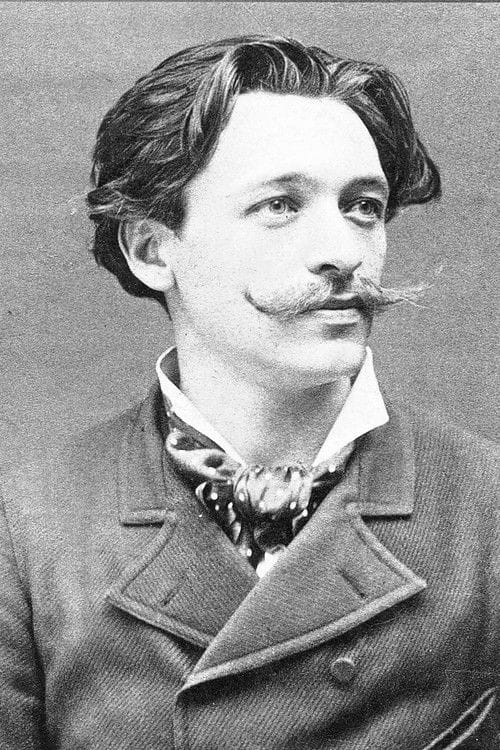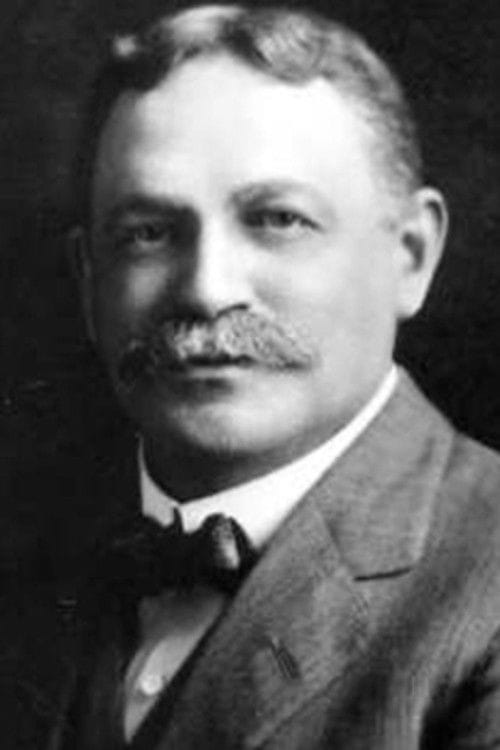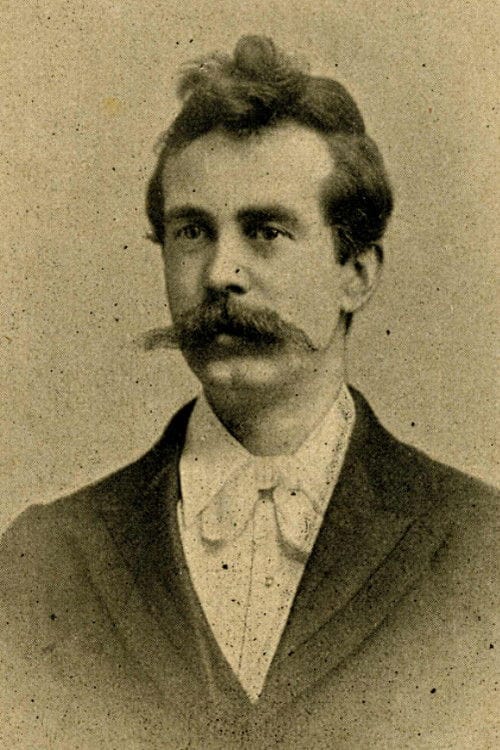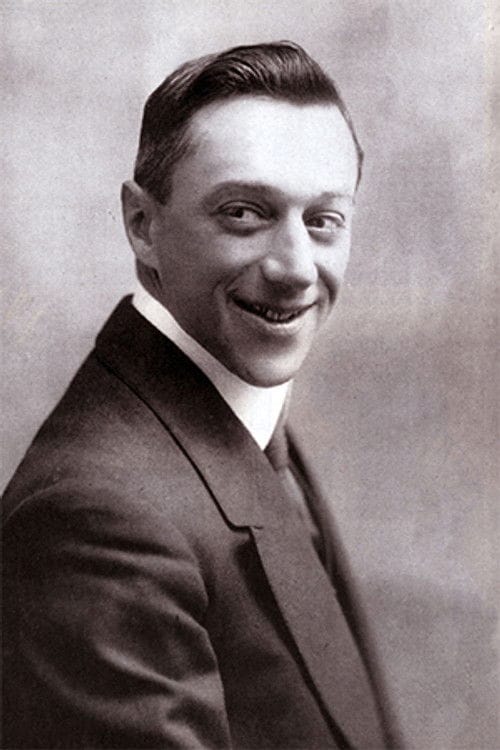
André Deed: Film Director & Cinematic Visionary
André Deed: A Pioneer of Slapstick Comedy in Early Cinema
André Deed, a name perhaps unfamiliar to modern moviegoers, stands as a towering figure in the nascent years of cinema. A comedian, actor, stuntman, and, most importantly, a director, Deed’s contributions to the development of slapstick comedy and cinematic language during the first decade of the 20th century are undeniable. While his fame may have faded with time, his innovative techniques and comedic sensibilities laid the groundwork for generations of comedic filmmakers to come. This biography delves into the life and career of André Deed, exploring his early life, directorial style, major films, collaborations, influence, awards (however limited they were in his time), and enduring legacy.
Introduction & Early Life
Born André Chapais in Enghien-les-Bains, France, on February 22, 1879, André Deed's early life remains somewhat shrouded in mystery. Unlike many of his contemporaries who came from established theatrical backgrounds, little is known about his formative years and formal training. However, it's widely believed he possessed a natural aptitude for physical comedy and performance. He likely began his career in the music halls and small theaters of Paris, honing his skills in pantomime, acrobatics, and improvisation – skills that would prove invaluable to his burgeoning film career.
The vibrant theatrical scene of turn-of-the-century Paris provided fertile ground for young performers like Deed. Vaudeville, with its emphasis on short, comedic sketches and physical gags, was immensely popular, and it is highly probable that Deed gained experience and developed his comedic timing within this milieu. It was this background, infused with a uniquely French sensibility of absurd humor and physical dexterity, that ultimately drew him to the burgeoning world of filmmaking.
The exact circumstances surrounding Deed's entry into cinema remain unclear, but he quickly found a home at Pathé Frères, one of the largest and most influential film studios in the world at the time. Pathé, recognizing his comedic potential, offered him the opportunity to star in and, crucially, to direct his own short films. This marked a pivotal moment in his career, allowing him to translate his theatrical talents to the screen and to experiment with the possibilities of this new art form. Under Pathé's banner, Deed would create a series of iconic characters, most notably "Boireau" in France and "Foolshead" (or "Gribouille" depending on the market) internationally, who would become synonymous with early slapstick comedy.
Directorial Style & Signature Techniques
André Deed's directorial style, though constrained by the technical limitations of early cinema, was remarkably innovative and influential. He was a pioneer in employing physical comedy, fast-paced action, and absurdist humor to create films that were both entertaining and surprisingly sophisticated. His approach was characterized by a keen understanding of visual storytelling and a willingness to experiment with camera techniques and editing, albeit in their primitive forms.
One of Deed's defining characteristics as a director was his embrace of slapstick. He understood that the visual nature of film lent itself perfectly to exaggerated physical gags, pratfalls, and chaotic scenarios. His films often featured elaborate chases, outlandish costumes, and inventive props, all designed to elicit laughter through visual humor. However, Deed's slapstick was not merely random or gratuitous; it was carefully choreographed and integrated into the narrative, often serving to highlight the absurdity of everyday situations or to satirize social conventions.
Another key element of Deed's directorial style was his use of fast-paced action. He understood that short films needed to be engaging from beginning to end, and he achieved this by maintaining a relentless pace and packing his films with a constant stream of comedic incidents. He employed techniques such as accelerating the camera speed (though this was often accidental) to heighten the sense of chaos and excitement. This rapid-fire approach to comedy became a hallmark of his work and influenced countless comedic filmmakers who followed.
Deed was also an early adopter of editing techniques to enhance the comedic effect. While editing technology was in its infancy, he experimented with techniques such as jump cuts and quick transitions to create a sense of surprise and disruption. These techniques, though rudimentary by modern standards, were groundbreaking at the time and demonstrated his understanding of how editing could be used to manipulate the audience's perception of time and space.
Beyond the purely comedic elements, Deed's films often contained a subtle layer of social commentary. While he primarily aimed to entertain, he also used his films to poke fun at the bourgeoisie, to satirize the foibles of modern life, and to celebrate the resilience of the common man. This underlying social awareness added depth to his films and contributed to their enduring appeal.
Major Films & Career Highlights
André Deed's filmography is extensive, encompassing hundreds of short films produced primarily between 1906 and 1915. While many of these films have been lost or are difficult to access, a significant number survive, offering a glimpse into his prolific career. He is particularly remembered for his portrayal of the characters "Boireau" in France and "Foolshead" (or "Gribouille") internationally.
Perhaps his most famous series was that featuring "Boireau" (often translated as "Drinkalot" or similar). These films, made for Pathé Frères, showcased Deed's talent for physical comedy and his ability to create chaotic and hilarious scenarios. The Boireau character was a mischievous, often drunken, everyman who stumbled into absurd situations and wreaked havoc wherever he went. Films like *Boireau déménageur* (Boireau the Mover) and *Boireau fumiste* (Boireau the Joker) exemplify the series’ blend of slapstick, social satire, and inventive visual gags. Boireau's antics often involved destroying property, disrupting public order, and generally causing mayhem, all while maintaining an air of innocent obliviousness.
When Deed moved to Italy and worked with production companies such as Itala Film, he reinvented his comedic persona, often known as "Foolshead" or "Gribouille" in different markets. He starred in and directed numerous films under this character name, further solidifying his international reputation as a comedic genius. These films, while sharing many of the characteristics of the Boireau series, often incorporated more elaborate stunts and visual effects, reflecting the growing sophistication of Italian cinema at the time.
One notable example from his Italian period is *Un matrimonio interrotto* (An Interrupted Wedding). This film showcases Deed's ability to create intricate comedic sequences involving chases, mistaken identities, and elaborate set pieces. Another significant film is *Il cavadenti* (The Dentist), a prime example of early comedic shorts that involved physical humor in an everyday setting. The film showcases his impressive use of exaggeration and quick, visual gags.
Deed also ventured into more ambitious projects, attempting to create longer and more complex narratives. However, it was his short, punchy comedies that truly cemented his legacy. His ability to tell stories visually, to create memorable characters, and to elicit laughter through physical humor made him a dominant force in early cinema.
His career experienced a downturn during and after World War I. He attempted a comeback in the 1920s, but the comedic landscape had changed, and his style, while still charming, felt somewhat outdated. However, his early films continued to be shown and appreciated, ensuring his place in film history.
Collaborations & Influence
While André Deed often worked as a one-man show, directing, writing, and starring in his films, he inevitably collaborated with a variety of technicians, cameramen, and supporting actors during his career. The names of these collaborators are often lost to history, but their contributions were essential to the realization of his comedic vision. The collaborative nature of filmmaking, even in its earliest days, meant that Deed relied on the expertise and skills of others to bring his ideas to life.
His most significant collaboration was undoubtedly with Pathé Frères. As one of the largest and most powerful film studios in the world, Pathé provided Deed with the resources, infrastructure, and distribution network necessary to reach a global audience. The studio's support allowed him to experiment with his comedic style and to develop his signature characters. Similarly, his later collaborations with Italian production companies like Itala Film were crucial to the evolution of his work.
Deed's influence on other filmmakers is undeniable, although it is often difficult to trace directly. His pioneering use of slapstick, fast-paced action, and absurdist humor laid the groundwork for generations of comedic filmmakers to come. His influence can be seen in the work of later silent film comedians such as Max Linder and, arguably, even in the early films of Charlie Chaplin. Chaplin, in particular, borrowed heavily from the tradition of physical comedy that Deed had helped to establish, incorporating elements of slapstick, social satire, and pathos into his own work.
Beyond his direct influence on other filmmakers, Deed's work also contributed to the development of cinematic language. His experiments with camera techniques, editing, and visual storytelling helped to shape the conventions of early cinema. He demonstrated the power of film as a medium for visual communication and paved the way for more sophisticated forms of cinematic expression.
Awards & Recognition
In the early days of cinema, formal awards and recognition were rare. There were no established film festivals or awards ceremonies to honor the achievements of filmmakers. Consequently, André Deed did not receive any official awards during his lifetime. His recognition came primarily from the popularity of his films and the critical acclaim he received from contemporary reviewers.
His films were widely distributed and enjoyed by audiences around the world. His characters, such as Boireau and Foolshead, became household names, and his films were frequently featured in theaters and nickelodeons. This widespread popularity was a testament to his talent as a comedian and filmmaker. While financial records are scarce, it is likely that he enjoyed considerable financial success during his peak years.
In recent years, there has been a renewed interest in André Deed's work, and his films have been rediscovered and celebrated by film historians and enthusiasts. His contributions to early cinema have been recognized through retrospectives at film festivals, scholarly articles, and DVD releases. While he may not have received formal awards during his lifetime, his legacy as a pioneer of slapstick comedy is now firmly established.
Cultural Impact & Legacy
André Deed's cultural impact extends beyond his contributions to the development of cinema. His films reflected and shaped the cultural landscape of the early 20th century. His characters, with their mischievous antics and irreverent attitudes, resonated with audiences who were grappling with the rapid changes of the modern world. His films offered a form of escapism, allowing audiences to laugh at the absurdities of life and to celebrate the resilience of the human spirit.
Deed's legacy lies in his pioneering work in the field of slapstick comedy. He helped to establish slapstick as a viable and popular form of cinematic expression. His films demonstrated the power of visual humor and paved the way for future generations of comedic filmmakers. His influence can be seen in the work of countless comedians, from the silent film era to the present day.
Furthermore, Deed's films offer a valuable glimpse into the social and cultural life of the early 20th century. They provide insights into the fashions, customs, and attitudes of the time. They also offer a glimpse into the lives of ordinary people, capturing their struggles, their joys, and their sense of humor. As such, Deed's films are not only entertaining but also historically significant.
Despite the challenges of preserving and accessing early films, André Deed's work continues to be rediscovered and appreciated. His films are a reminder of the power of cinema to entertain, to inform, and to connect us to the past. His legacy as a pioneer of slapstick comedy is secure, and his contributions to the development of cinematic language will continue to be celebrated for generations to come.