Allan Dwan: Film Director & Cinematic Visionary
Allan Dwan: A Pioneer of Early Hollywood Cinema
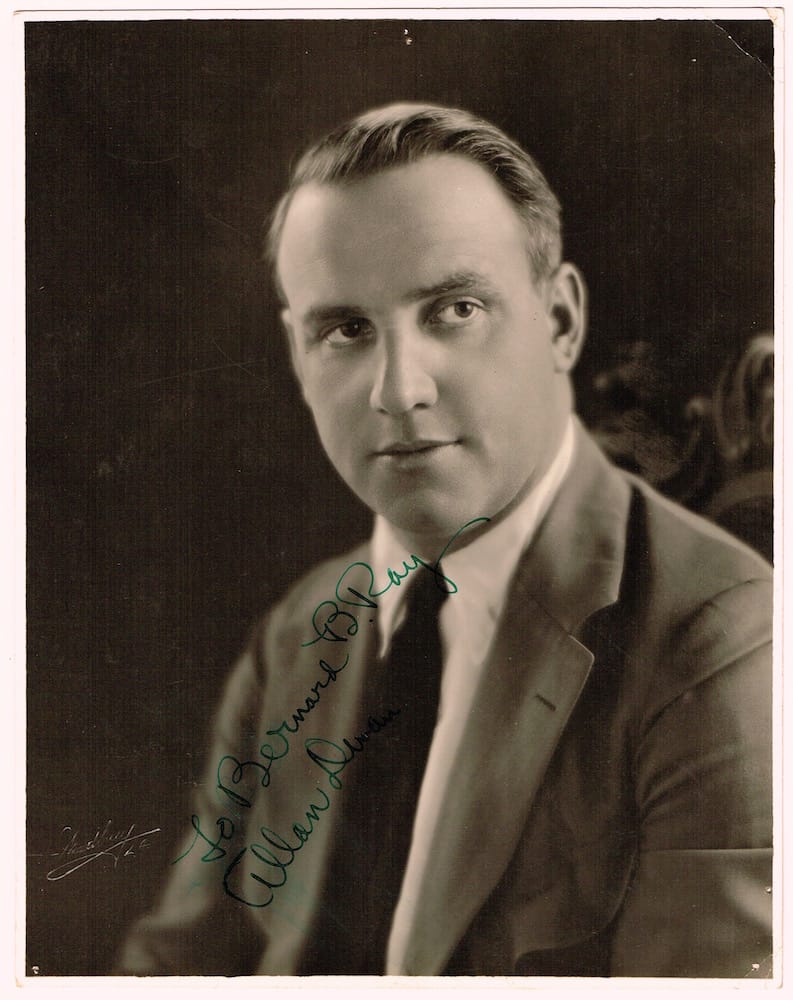
Allan Dwan. The name might not resonate with the casual moviegoer of today, but in the burgeoning world of early cinema, Allan Dwan was a titan. A true pioneer, he shaped the language of film, experimenting with techniques and storytelling approaches that laid the groundwork for the Hollywood we know today. This biography explores the life and career of this prolific director, focusing particularly on his groundbreaking work during the crucial period of 1910-1919, an era when film was rapidly evolving from a novelty into a powerful art form.
Early Life and Forging a Path
Born Joseph Aloysius Dwan on April 3, 1885, in Toronto, Canada, his early life offered little indication of the cinematic giant he would become. He initially pursued a career in electrical engineering, working for a lighting company. This technical background, however, proved surprisingly valuable. His understanding of electricity and lighting principles would later influence his directorial choices and contribute to the visual aesthetics of his films. Dwan's foray into the film industry was serendipitous. In 1909, while working in Chicago, he encountered a representative from Essanay Studios, a prominent film production company. He was offered a job as a screenwriter, a role he quickly embraced.
The move to Essanay marked a pivotal turning point. Dwan's natural storytelling ability and technical aptitude shone through. He quickly absorbed the intricacies of filmmaking, learning the craft from the ground up. Within a short period, he transitioned from writing scripts to directing short films, finding his true calling behind the camera. The early 1910s were a whirlwind of activity for Dwan. He directed an astonishing number of films, primarily one-reel and two-reel shorts. These were formative years, allowing him to experiment with different genres, develop his directorial voice, and refine his technical skills. He moved rapidly through different studios, including Essanay, American Film Manufacturing Company (Flying A), and Universal Film Manufacturing Company. This constant movement allowed him to gain experience with diverse casts, crew, and production styles, further broadening his cinematic horizons.
Directorial Style & Signature Techniques
Allan Dwan’s directorial style during the 1910s was marked by innovation, efficiency, and a keen understanding of the emerging cinematic language. While he may not be as readily identified with a specific visual style like some of his contemporaries, his strength lay in his versatility and his ability to adapt to the demands of different genres and stories. He was a master of visual storytelling, understanding how to convey information and emotion through camera placement, editing, and performance. Dwan wasn't afraid to experiment with camera angles and movement, pushing the boundaries of what was considered acceptable in early cinema. He frequently employed techniques such as panning and tilting the camera to create a sense of dynamism and to guide the viewer's eye.
Efficiency and Pragmatism
Given the rapid pace of production in early Hollywood, Dwan was known for his efficiency and pragmatism. He understood the importance of working quickly and effectively, often shooting films in a matter of days or even hours. This demanded meticulous planning and a clear vision of the final product. He was adept at working with limited resources, making creative use of available locations and props. This practical approach stemmed from his engineering background and his understanding of the technical aspects of filmmaking.
Developing Cinematic Language
One of Dwan's most significant contributions was his role in shaping the emerging cinematic language. He experimented with techniques like close-ups and medium shots to bring the audience closer to the characters and their emotions. He understood the power of editing to create rhythm and pacing, using cuts to build suspense, reveal information, and manipulate the viewer's perception of time. He frequently used parallel editing, cross-cutting between different scenes to create tension and connect disparate storylines. His innovative use of lighting, informed by his early work as an electrical engineer, enhanced the mood and atmosphere of his films, creating a visual style that was both functional and aesthetically pleasing. While his style evolved throughout his lengthy career, the foundations for his later work were firmly established during this formative period.
Major Films & Career Highlights
While the sheer volume of Dwan's early work makes it difficult to pinpoint definitive "masterpieces," several films stand out as significant achievements and offer valuable insights into his evolving directorial style. These films showcase his versatility and his ability to adapt to different genres, from westerns to comedies to melodramas.
Significant Early Works (1910-1919)
* **"The Range Riders" (1913):** This early western, starring J. Warren Kerrigan, exemplifies Dwan's skill in capturing the vast landscapes of the American West and crafting engaging action sequences. It's a prime example of his ability to create compelling narratives within the constraints of a short film format. Dwan's understanding of staging and choreography allowed him to create exciting action scenes that were both visually dynamic and easy to follow. * **"Richelieu" (1914):** This historical drama, adapted from the play by Edward Bulwer-Lytton, showcased Dwan's ability to handle complex narratives and direct actors in dramatic roles. Murdock MacQuarrie's portrayal of Cardinal Richelieu is a standout performance, and Dwan's direction effectively captures the political intrigue and emotional turmoil of the story. * **"David Harum" (1915):** Starring William H. Crane, this comedy-drama was a significant success for Dwan, demonstrating his versatility. This film highlights Dwan's ability to connect with audiences on an emotional level. The film resonated with viewers due to its heartwarming story and relatable characters. * **"An Innocent Magdalene" (1916):** Starring Lillian Gish, this drama is notable for its exploration of social issues and its sensitive portrayal of its female protagonist. Dwan's direction allows Gish to deliver a powerful and nuanced performance, highlighting her range as an actress. * **"Panthea" (1917):** This ambitious drama, starring Norma Talmadge, is one of Dwan's most visually striking films from this period. The film’s set design and cinematography showcase Dwan’s commitment to creating visually compelling and emotionally resonant experiences for the audience. The film’s themes of power, betrayal, and redemption resonated with audiences and critics alike.
Transition and Later Successes
While this biography focuses on Dwan's early career, it's important to note that he continued to direct films for several decades, enjoying considerable success in later periods. He directed films starring some of Hollywood's biggest stars, including Douglas Fairbanks, Mary Pickford, Shirley Temple, and John Wayne. His later work, while different in style and scope, reflects the foundation he built during his early years in the industry. His ability to adapt to changing trends and technological advancements allowed him to remain a relevant and respected figure in Hollywood for over four decades.
Collaborations & Influence
Allan Dwan's influence on early cinema extends beyond his individual films. He collaborated with numerous actors, writers, and technicians, shaping the careers of many and contributing to the overall development of the industry. His work with actors like J. Warren Kerrigan, Murdock MacQuarrie, and Lillian Gish helped them to establish themselves as leading performers in the silent era. He also worked with prominent writers, including Rex Beach and Anita Loos, adapting their stories for the screen and contributing to the evolution of cinematic storytelling.
Mentorship and Development
Dwan's hands-on approach to filmmaking made him a valuable mentor to many aspiring filmmakers. He fostered a collaborative environment on his sets, encouraging experimentation and innovation. He was instrumental in training numerous technicians and craftsmen who went on to have successful careers in the industry. His influence can be seen in the work of subsequent generations of filmmakers who were inspired by his pioneering spirit and his commitment to visual storytelling. While it’s difficult to quantify his direct influence on specific directors, his contribution to the development of cinematic language had a lasting impact on the industry.
Anita Loos and Writing Collaboration
His collaboration with screenwriter Anita Loos was particularly significant. Loos, known for her sharp wit and satirical observations on society, wrote several screenplays for Dwan, including "A Modern Musketeer" (1917). Their collaboration resulted in films that were both entertaining and insightful, reflecting the changing social dynamics of the era. Loos's clever dialogue and Dwan's visual storytelling created a unique and engaging cinematic experience. Their successful partnership highlights the importance of collaboration in filmmaking and the power of combining different creative talents.
Awards & Recognition
While formal award ceremonies were not as prevalent in the early days of cinema as they are today, Allan Dwan's contributions were recognized during his lifetime. He received accolades from his peers and from industry publications, acknowledging his talent and his significant contributions to the development of the art form. Though a long time coming, he was awarded a D.W. Griffith Award by the Directors Guild of America in 1978 for his lifetime achievements. Even without a multitude of awards, his continuous work was a testament to his skill. He had a long and prolific career, a sure sign he was valued within the industry.
Contemporary Acknowledgement
His films were often praised for their technical innovation, their engaging narratives, and their ability to connect with audiences. He was recognized as a pioneer of visual storytelling and as a master of the craft. While his name may not be as widely known as some of his contemporaries, his contributions to the development of early cinema are undeniable. He remains a respected figure among film historians and scholars, who continue to study and appreciate his work.
Cultural Impact & Legacy
Allan Dwan's cultural impact lies in his role as a key figure in the development of early Hollywood cinema. His work helped to shape the language of film and to establish many of the conventions that are still used today. He was a pioneer of visual storytelling, experimenting with techniques and approaches that paved the way for future generations of filmmakers. His films reflected the changing social and cultural landscape of the early 20th century, offering insights into the values, beliefs, and aspirations of the time.
Shaping Hollywood's Foundation
He laid the foundations for the Hollywood studio system, helping to establish the infrastructure and the production methods that would define the industry for decades to come. His ability to work efficiently and effectively made him a valuable asset to the studios, and his commitment to quality helped to elevate the standards of filmmaking. By directing a large number of films, he introduced new audiences to the power of cinema and helped to establish film as a popular form of entertainment.
Enduring Influence
Allan Dwan's legacy extends beyond his individual films. He helped to train and mentor many aspiring filmmakers, shaping the careers of those who followed in his footsteps. His influence can be seen in the work of subsequent generations of filmmakers, who continue to be inspired by his pioneering spirit and his commitment to visual storytelling. While he may not be a household name, Allan Dwan remains a significant figure in the history of cinema, a true pioneer who helped to shape the art form and to establish Hollywood as the entertainment capital of the world.