Alice Guy-Blaché: Film Director & Cinematic Visionary
Alice Guy-Blaché: The Pioneering Force Behind Early Cinema
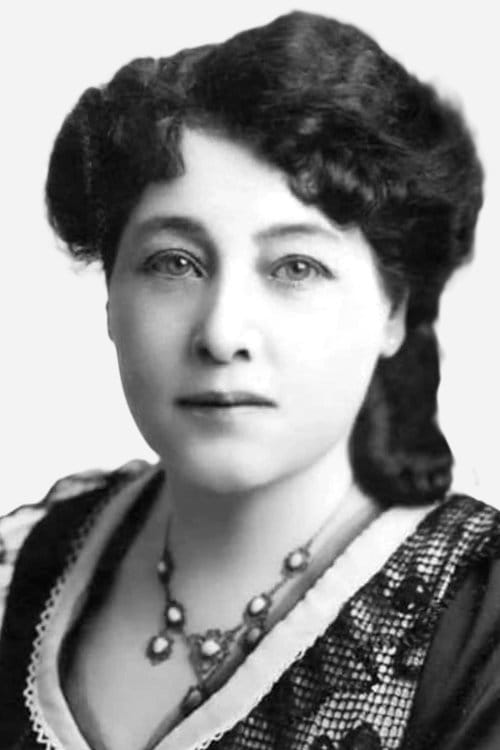
Before Hollywood became synonymous with filmmaking, a visionary woman named Alice Guy-Blaché was laying the foundation for cinematic storytelling. Often overlooked in traditional film history, Guy-Blaché was a true pioneer, arguably the first female film director and a significant figure in the development of narrative cinema. This article explores her extraordinary life, career, and lasting impact on the world of film.
Introduction & Early Life
Born Alice Ida Antoinette Guy on July 1, 1873, in Saint-Mandé, France, her early life was marked by international influences. Her parents operated a bookstore in Santiago, Chile, and Alice spent several years of her childhood there. This exposure to different cultures and environments likely broadened her perspective and fueled her creative spirit. Returning to France, she experienced personal hardships with the death of her father. To support her family, she took a secretarial position at the Comptoir Général de la Photographie, a company later to be known as Gaumont.
Gaumont and the Dawn of Cinema
This seemingly mundane job at Gaumont proved to be a pivotal moment in Guy-Blaché’s life. Léon Gaumont, the company's founder, was deeply involved in the burgeoning field of motion pictures. Initially, Gaumont focused on the production and sale of photographic equipment, but quickly embraced the potential of the cinématographe, a motion picture camera and projector invented by the Lumière brothers. While Gaumont initially saw film primarily as a way to promote his photographic equipment, Guy-Blaché recognized its artistic potential. She envisioned film as a medium for telling stories, a radical idea at the time when most films were simply recordings of everyday events.
A Fortuitous Opportunity
In 1896, when Léon Gaumont expressed his intention to simply showcase equipment at an exhibition, Alice boldly approached him with an idea. She requested permission to experiment with filmmaking, suggesting that she could create short narratives to entertain audiences and ultimately promote Gaumont’s products. Gaumont, perhaps underestimating the potential or simply impressed by her initiative, granted her permission. This marked the beginning of Alice Guy-Blaché’s remarkable career as a filmmaker.
Directorial Style & Signature Techniques
Alice Guy-Blaché’s directorial style was innovative and groundbreaking for its time. She embraced narrative filmmaking from the outset, differentiating her work from the actuality films that dominated the early cinematic landscape. Her films were characterized by their emphasis on storytelling, character development, and visual experimentation. She was not simply recording events; she was constructing narratives, creating worlds, and evoking emotions.
Pioneering Narrative Techniques
Guy-Blaché was one of the first filmmakers to use techniques that are now considered fundamental to cinematic storytelling. She experimented with close-ups, camera movement, and editing to create dramatic impact and enhance the narrative. She understood the power of mise-en-scène, carefully arranging sets, costumes, and actors to convey meaning and atmosphere. She was also a master of visual humor, often employing slapstick and physical comedy to engage audiences. Her early films, such as "La Fée aux Choux" (The Cabbage Fairy, 1896), are considered among the first narrative films ever made.
Focus on Character and Performance
Unlike many of her contemporaries who treated actors as mere props, Guy-Blaché paid close attention to performance. She worked closely with her actors, encouraging them to develop distinct characters and deliver believable performances. She understood the importance of body language and facial expressions in conveying emotions and advancing the plot. This emphasis on character development helped to make her films more engaging and relatable to audiences.
Experimentation with Special Effects
Despite the limitations of early film technology, Guy-Blaché was a pioneer in the use of special effects. She experimented with techniques such as double exposure, slow motion, and reverse motion to create fantastical and surreal imagery. These effects, though rudimentary by today's standards, were innovative for their time and added a unique visual flair to her films. For example, in "Les Résultats du féminisme" (The Consequences of Feminism, 1906), she used role reversal to satirize gender roles, showing women in positions of power and men in traditionally feminine roles, a theme and technique far ahead of its time.
Sound Films and Chronophone
Guy-Blaché also embraced the emerging technology of sound film. She directed numerous films using the Chronophone, an early sound-on-film system developed by Léon Gaumont. These films, which synchronized sound and image, were a significant step forward in the development of cinema as a fully immersive art form. While many of these Chronophone films are now lost, their existence demonstrates Guy-Blaché’s commitment to innovation and her willingness to experiment with new technologies.
Major Films & Career Highlights
During her prolific career, Alice Guy-Blaché directed, produced, or supervised hundreds of films, spanning a variety of genres. Her work showcased her versatility and her ability to adapt to changing cinematic trends. While many of her films have been lost or are difficult to access, those that survive offer a glimpse into her creative genius and her contributions to the development of cinema.
"La Fée aux Choux" (The Cabbage Fairy, 1896)
Considered one of the earliest narrative films ever made, "La Fée aux Choux" is a whimsical tale about a fairy who creates babies in a cabbage patch. This short film, which combines elements of fantasy and comedy, demonstrates Guy-Blaché’s early interest in storytelling and her ability to create engaging narratives with limited resources. It also showcases her innovative use of mise-en-scène and her understanding of how to create a visually appealing and entertaining film.
"Esmeralda" (1905)
This adaptation of Victor Hugo’s "The Hunchback of Notre Dame" is one of Guy-Blaché’s most ambitious and visually stunning films. It features elaborate sets, costumes, and performances, and demonstrates her ability to create epic narratives on a grand scale. The film is a testament to her technical skill and her artistic vision, and it showcases her talent for adapting literary works for the screen.
"The Consequences of Feminism" (1906)
This satirical comedy, also known as "Les Résultats du féminisme," is a prime example of Guy-Blaché’s progressive and feminist sensibilities. The film reverses traditional gender roles, depicting women as dominant figures who control men. This provocative and humorous portrayal of gender dynamics was daring for its time and demonstrates Guy-Blaché’s willingness to challenge social norms and explore complex issues through her films.
Solax Company and American Career
In 1910, Guy-Blaché and her husband, Herbert Blaché, moved to the United States and founded their own film production company, Solax. Based in Flushing, New York, Solax quickly became a successful independent studio, producing a wide range of films that reflected Guy-Blaché’s diverse interests and her commitment to quality filmmaking. During this period, she directed numerous films that showcased her talent for storytelling, character development, and visual innovation. She even built a state-of-the-art studio in Fort Lee, New Jersey, which was then the center of the American film industry.
"Dick Whittington and His Cat" (1913)
This adaptation of the classic English folktale is a charming and entertaining film that showcases Guy-Blaché’s ability to create engaging narratives for children. The film features colorful costumes, whimsical sets, and a heartwarming story about a young man who finds success with the help of his cat. It is a testament to her versatility as a filmmaker and her ability to appeal to a wide range of audiences.
Collaborations & Influence
Alice Guy-Blaché worked with a variety of talented actors, writers, and technicians throughout her career. Her collaborations helped to shape her directorial style and contributed to the success of her films. She also exerted a significant influence on other filmmakers, both male and female, who were inspired by her innovative techniques and her commitment to storytelling.
Working with Actors and Actresses
Guy-Blaché was known for her ability to elicit strong performances from her actors. She worked with a number of talented performers, including Vinnie Burns, Darwin Karr, and Marion Swayne, who became regulars in her films. She understood the importance of creating a collaborative environment on set, where actors felt comfortable experimenting and taking risks. Her ability to work effectively with actors was a key factor in the success of her films.
Influence on Early Filmmakers
Although often overlooked in film history, Guy-Blaché's influence on early filmmakers is undeniable. Her pioneering work in narrative filmmaking, her innovative use of techniques, and her commitment to quality storytelling helped to shape the development of cinema as an art form. While it's difficult to definitively trace her influence on specific filmmakers due to limited historical records, her impact can be seen in the growing emphasis on narrative and character development in early cinema. She paved the way for future generations of filmmakers, both male and female, who sought to tell stories and explore complex themes through the medium of film.
Impact on Female Filmmakers
Perhaps most significantly, Alice Guy-Blaché served as a role model for aspiring female filmmakers. In a male-dominated industry, she demonstrated that women could be successful directors and producers. Her achievements helped to break down barriers and create opportunities for other women to enter the field. Although her contributions were often minimized or attributed to others, her legacy continues to inspire female filmmakers to this day.
Awards & Recognition
Despite her significant contributions to the development of cinema, Alice Guy-Blaché received relatively little recognition during her lifetime. Her accomplishments were often overshadowed by those of her male contemporaries, and her role in shaping early cinema was frequently downplayed or ignored. However, in recent years, there has been a growing effort to acknowledge her contributions and celebrate her legacy.
Posthumous Recognition
In the decades following her death in 1968, there has been a resurgence of interest in Alice Guy-Blaché and her work. Film historians, scholars, and filmmakers have begun to re-evaluate her contributions and recognize her as a pioneering figure in the history of cinema. Her films have been screened at film festivals and retrospectives around the world, and her story has been told in documentaries and biographies. This renewed attention has helped to bring her work to a wider audience and secure her place in the history of film.
Honors and Tributes
In recognition of her achievements, Alice Guy-Blaché has received a number of posthumous honors and tributes. She has been the subject of numerous books and articles, and her films have been restored and preserved by film archives. She has also been inducted into various halls of fame and received awards for her contributions to cinema. These honors serve as a testament to her enduring legacy and her importance as a pioneer of film.
Cultural Impact & Legacy
Alice Guy-Blaché’s cultural impact extends beyond her contributions to the development of cinema. Her films often reflected her progressive social and political views, and she used her work to challenge gender stereotypes and advocate for social justice. Her legacy as a pioneering filmmaker and a champion of women’s rights continues to inspire and resonate with audiences today.
Challenging Gender Stereotypes
Guy-Blaché’s films often challenged traditional gender roles and promoted more egalitarian views of women. She portrayed women as strong, independent, and capable individuals who were able to achieve success in a variety of fields. Her film "The Consequences of Feminism" is a prime example of her willingness to challenge gender stereotypes and advocate for women’s rights. By depicting women in positions of power and men in traditionally feminine roles, she provoked audiences to question their assumptions about gender and society.
A Feminist Visionary
Beyond her specific films, Alice Guy-Blaché’s very career was a statement of feminist empowerment. In a time when women were largely excluded from positions of power in the film industry, she defied expectations and established herself as a successful director, producer, and studio owner. Her achievements helped to pave the way for future generations of female filmmakers and demonstrate that women could be leaders and innovators in the world of cinema.
A Lasting Inspiration
Alice Guy-Blaché’s legacy continues to inspire filmmakers, historians, and audiences today. Her story is a reminder of the importance of recognizing and celebrating the contributions of women in all fields, and her films serve as a testament to the power of cinema to tell stories, challenge perceptions, and promote social change. As her work continues to be rediscovered and re-evaluated, her place as a pioneer and a visionary in the history of cinema is becoming increasingly secure.