Alice Guy-Blaché: Film Director & Cinematic Visionary
Alice Guy-Blaché: Pioneer of Cinema and Forgotten Genius
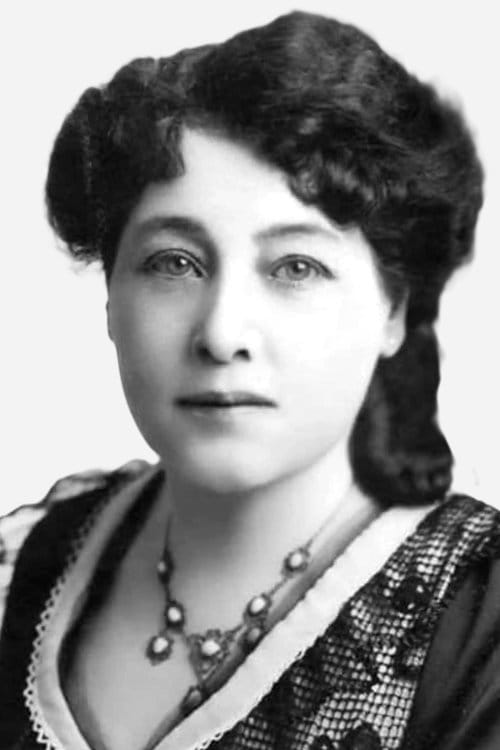
Alice Guy-Blaché (1873-1968) stands as a pivotal figure in the history of cinema, a true pioneer whose contributions have been, for far too long, overshadowed. Often dubbed the first female filmmaker, she was, more accurately, one of the very first filmmakers of either gender, a visionary who experimented with the nascent medium from its earliest days and helped shape the narrative form we recognize today. Her career spanned over two decades, from the dawn of the 20th century through the 1920s, encompassing both the French and American film industries. Guy-Blaché directed, produced, or supervised over 1,000 films, spanning a remarkable range of genres and techniques. Yet, despite this prolific output and her undeniable influence, her name and achievements have been largely absent from mainstream film history, a situation that is only now beginning to be rectified.
Early Life and Path to Gaumont
Born Alice Ida Antoinette Guy in 1873 in Saint-Mandé, France, her early life was shaped by a blend of privilege and hardship. Her father, Émile Guy, owned a bookstore in Chile, and Alice spent several years of her childhood there, becoming fluent in Spanish. The family's financial stability allowed for a good education, but the early death of her father when Alice was just a teenager threw them into a precarious situation. This experience instilled in her a strong sense of independence and a drive to provide for herself and her family.
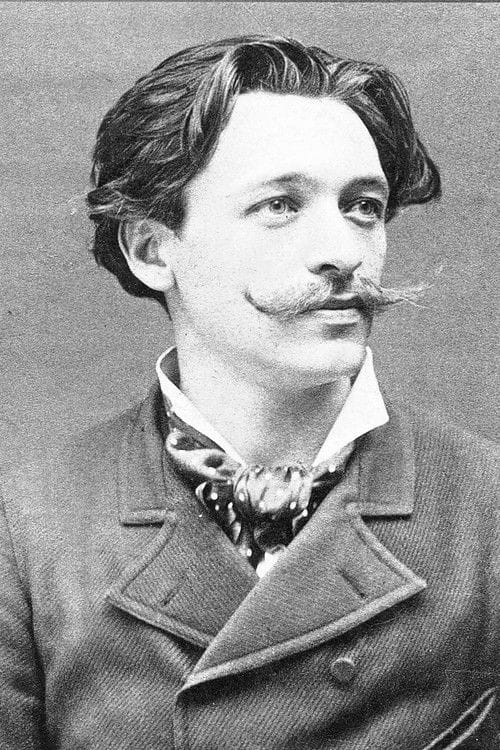
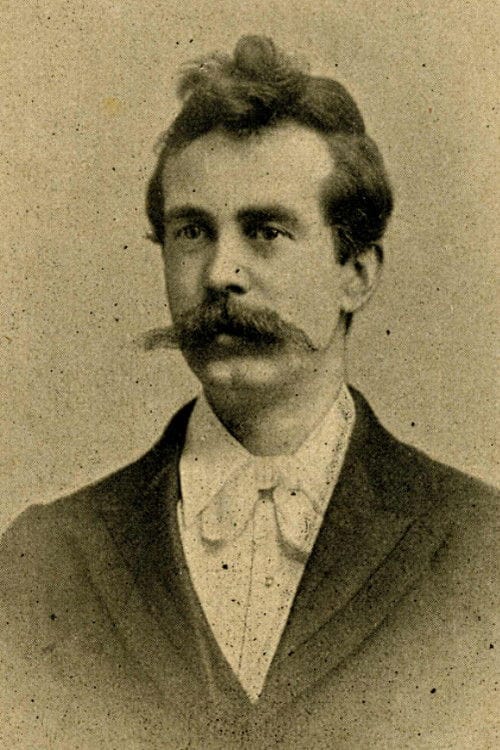
Alice found employment as a secretary at the Comptoir Général de la Photographie, a company owned by Léon Gaumont. Initially, her duties were primarily administrative, involving correspondence and operating the office equipment. However, the company's focus soon shifted to the burgeoning field of cinematography after Gaumont purchased the Chronophotographe, a camera-projector invented by Georges Demenÿ. Alice, witnessing firsthand the excitement and potential of this new technology, became increasingly captivated by its possibilities. She quickly moved beyond her secretarial role, demonstrating a keen interest in the technical and creative aspects of filmmaking.
In 1896, Léon Gaumont attended a demonstration of the Lumière brothers' Cinématographe. Inspired by their work, he decided to produce films of his own. Seeing Alice's enthusiasm and aptitude, he surprisingly entrusted her with the task. This was a monumental decision, effectively launching her career and marking the beginning of her unparalleled contribution to the world of cinema. This act of trust, almost casual in its execution, would set the stage for decades of innovation and creativity, fundamentally shaping the landscape of early film.
Directorial Style & Signature Techniques
Alice Guy-Blaché's directorial style was characterized by a playful experimentation with the possibilities of the new medium. While her early films often resembled the actuality films of the Lumière brothers, simply capturing scenes from everyday life, she quickly moved beyond this documentary approach to explore narrative storytelling. This transition is what truly sets her apart as a pioneer.
Pioneering Narrative Film
Unlike many of her contemporaries who viewed film primarily as a means of recording reality, Guy-Blaché saw its potential for creating fictional narratives. One of her earliest known films, *La Fée aux Choux* (1896), often considered the first narrative film made by a woman, reimagines the folklore surrounding cabbage patches as the birthplace of babies. This simple yet imaginative film demonstrates her early commitment to using cinema for storytelling rather than just documentation. She understood that film could transport audiences to different worlds and engage their emotions in ways that other art forms could not.
Innovative Techniques and Genre Exploration
Guy-Blaché wasn't afraid to experiment with special effects, camera angles, and editing techniques, pushing the boundaries of what was considered possible in early cinema. She utilized techniques such as double exposure, close-ups, and hand-tinting to enhance the visual impact of her films and create a more immersive experience for the viewer. *The Cabbage Fairy* (1896), *Madame a des envies* (1906) and *Falling Leaves* (1912) are prime examples of her technical prowess and her innovative use of special effects.
Furthermore, Guy-Blaché's filmography is remarkably diverse, encompassing a wide range of genres, including comedies, dramas, historical epics, and even trick films. This versatility underscores her creative range and her willingness to explore different themes and styles. She was particularly adept at capturing the humor and complexities of everyday life, often focusing on the experiences of women and children. Her comedic films are often characterized by slapstick humor and witty social commentary, while her dramatic works explore themes of love, loss, and social injustice.
Embracing Sound and Color
Guy-Blaché was also an early adopter of sound and color technologies. She experimented with Gaumont's Chronophone system, synchronizing sound recordings with her films. While these early sound films were often crude and imperfect, they demonstrated her commitment to pushing the boundaries of cinematic technology. Similarly, she utilized hand-tinting and other coloring techniques to add vibrancy and realism to her films. This willingness to embrace new technologies and explore their creative potential further solidified her status as a visionary filmmaker.
Major Films & Career Highlights
Alice Guy-Blaché's prolific career is marked by a diverse range of films that showcased her creative vision and technical expertise. While many of her films have been lost or remain difficult to access, those that survive offer a compelling glimpse into her remarkable talent.
Early French Period (1896-1907)
During her time at Gaumont, Guy-Blaché directed and supervised hundreds of films, solidifying her position as a leading figure in the French film industry. *La Fée aux Choux* (1896), as mentioned earlier, holds a special place in film history as one of the first narrative films. Other notable works from this period include *Le Cabinet de Méphistophélès* (1897), an early example of trick film, and *Au Cabaret* (1899), a lively depiction of Parisian nightlife. *Madame a des envies* (1906) a short about a pregnant woman with peculiar cravings, showcased her ability to craft relatable and funny stories.
Her ambition extended beyond directing. She oversaw the construction of a modern film studio at Gaumont's headquarters, demonstrating her keen understanding of the practical aspects of filmmaking. She also nurtured the talents of other filmmakers, creating a supportive and collaborative environment within the company.
The American Years (1907-1922)
In 1907, Alice Guy-Blaché married Herbert Blaché, a fellow filmmaker, and moved to the United States. In 1910, she founded her own film studio, Solax Company, in Flushing, New York. This marked a significant turning point in her career, allowing her greater creative control and the opportunity to produce films on a larger scale. Solax films were known for their high production values and their sophisticated narratives. Some notable Solax productions include *A Fool and His Money* (1912), believed to be the first film with an all-African-American cast, and *Falling Leaves* (1912), a poignant drama about a young girl with tuberculosis. Her work with African American actors, at a time when it was extremely rare, demonstrates a social conscious and willingness to champion marginalized communities.
Later, after Solax was bought out, she worked with U.S. Amusement Corporation. During this time she directed the feature-length film *The Great Adventure* (1918) based on Arnold Bennett’s novel *Buried Alive*. This film is considered by some to be one of her most important works, showcasing her mastery of narrative storytelling and her ability to create compelling characters. However, like many of her films, it has been largely forgotten until recently.
Challenges and Decline
Despite her early success, Guy-Blaché faced significant challenges in the later years of her career. Her marriage to Herbert Blaché ended in divorce, and she struggled to maintain her position in the increasingly competitive American film industry. The rise of the studio system and the growing dominance of male directors made it difficult for her to secure funding and distribution for her films. By the early 1920s, she had largely retired from filmmaking, and her contributions to cinema were gradually forgotten.
Collaborations & Influence
Alice Guy-Blaché's career was characterized by both collaboration and a profound influence on the development of early cinema. Throughout her career, she worked with a diverse group of actors, technicians, and fellow filmmakers, fostering a spirit of innovation and creativity. She wasn’t just a director, but a mentor, shaping the landscape of the industry from the ground up.
Key Collaborators
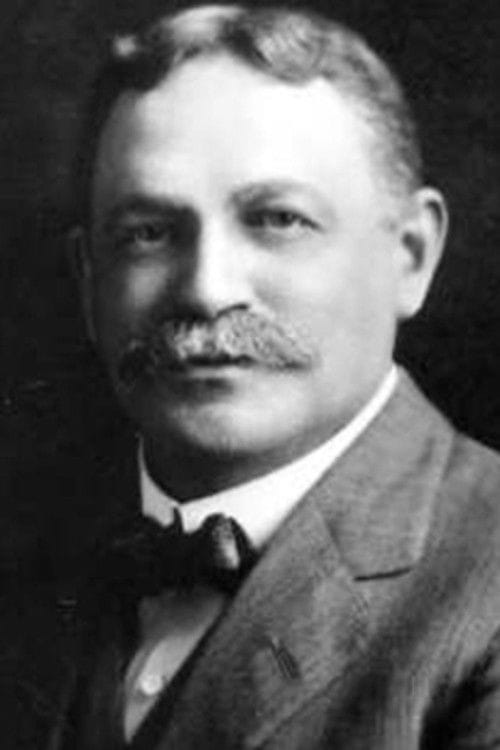
Her early collaboration with Léon Gaumont was crucial in launching her career. Gaumont's trust and support allowed her to experiment with the new medium and develop her unique style. She also worked closely with her husband, Herbert Blaché, although their professional relationship eventually became strained due to professional rivalry. Herbert's expertise in production and distribution was instrumental in the success of Solax Company.
Guy-Blaché also mentored and worked with many actors who went on to have successful careers in film. While specific names are often lost to history, her commitment to nurturing talent and providing opportunities for aspiring performers is undeniable.
Influence on Early Cinema
Guy-Blaché's influence on early cinema is far-reaching, though often unacknowledged. Her pioneering use of narrative storytelling, her experimentation with special effects, and her exploration of diverse genres helped to shape the conventions of filmmaking that we still recognize today. She was among the first to understand the potential of film to not only record reality but also to create compelling fictional worlds.
Her work undoubtedly influenced other filmmakers of her time, both male and female. While direct lines of influence are difficult to trace due to the fragmented nature of early film history, it is clear that her innovations and her commitment to artistic excellence helped to elevate the medium and pave the way for future generations of filmmakers.
Awards & Recognition
Despite her significant contributions to cinema, Alice Guy-Blaché received relatively little recognition during her lifetime. Her work was largely forgotten for decades, and her name was often omitted from film history books. However, in recent years, there has been a growing effort to rediscover and celebrate her achievements.
Posthumous Recognition
Much of the recognition for Guy-Blaché's work has come posthumously. In 2002, she was honored with a retrospective at the Festival International de Films de Femmes de Créteil. In 2010, she was the subject of a documentary film, *Be Natural: The Untold Story of Alice Guy-Blaché*, which helped to raise awareness of her work and her contributions to film history.
In recent years, there have been renewed efforts to restore and preserve her films. Many of her surviving works have been digitized and made available to the public, allowing scholars and film enthusiasts to rediscover her unique vision.
Slowly Being Acknowledged
While she may not have received the accolades she deserved during her lifetime, Alice Guy-Blaché is finally beginning to receive the recognition she deserves as a pioneer of cinema. Her films are being studied and celebrated by film historians, and her name is gradually being added to the canon of great filmmakers. This renewed interest in her work is a testament to her enduring legacy and her profound impact on the development of the art of filmmaking.
Cultural Impact & Legacy
Alice Guy-Blaché's cultural impact extends far beyond her individual films. As one of the first female filmmakers, she challenged traditional gender roles and paved the way for future generations of women to pursue careers in cinema. Her work represents a significant contribution to the history of women in film and a powerful testament to the creative potential of female artists.
Breaking Barriers for Women
In a male-dominated industry, Guy-Blaché defied expectations and established herself as a respected and influential filmmaker. Her success demonstrated that women were capable of directing, producing, and writing films, challenging the prevailing stereotypes of the time. Her example inspired other women to enter the film industry, helping to diversify the creative landscape.
Rediscovery and Re-Evaluation
The recent rediscovery and re-evaluation of Alice Guy-Blaché's work have had a significant impact on the way we understand the history of cinema. Her story serves as a reminder that history is often written by the victors and that the contributions of women and other marginalized groups have often been overlooked. By bringing her work back into the spotlight, we can gain a more complete and nuanced understanding of the development of film as an art form.
Enduring Legacy
Alice Guy-Blaché's legacy as a pioneer of cinema is now secure. Her films continue to inspire and entertain audiences, and her story serves as a reminder of the importance of creativity, innovation, and perseverance. As we continue to explore and celebrate her work, we can gain a deeper appreciation for her contributions to the art of filmmaking and her enduring legacy as one of the true pioneers of cinema. She left behind a body of work of significant artistic merit, but more importantly she proved that women could be successful leaders and storytellers in a brand new field.