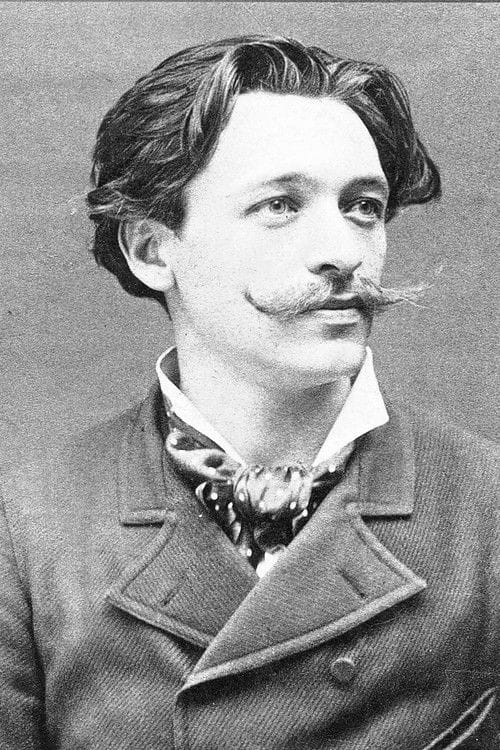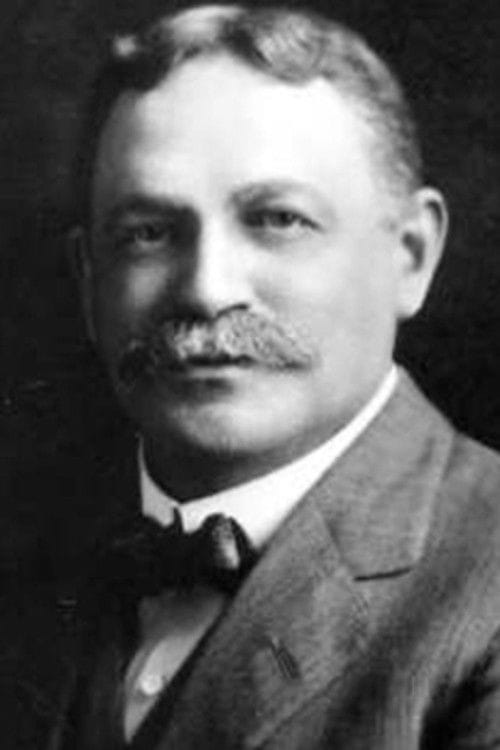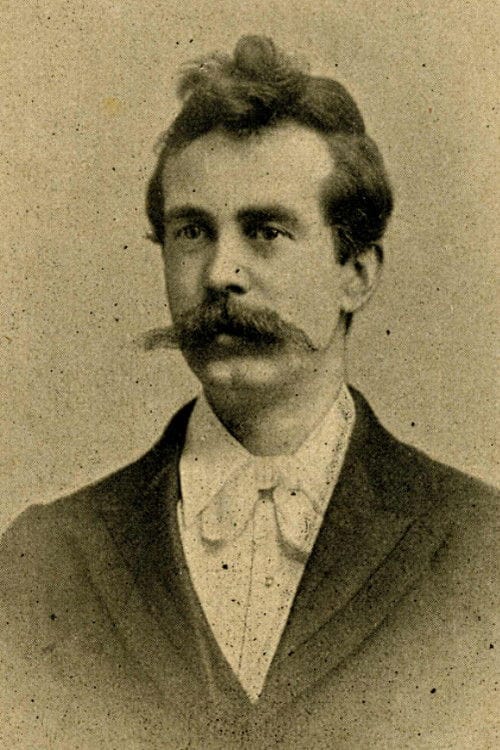
Alberto Capozzi: Film Director & Cinematic Visionary
Alberto Capozzi: A Pioneer of Italian Cinema (1900-1909)
Alberto Capozzi, a name perhaps less familiar to contemporary audiences than his later Italian cinematic successors, stands as a towering figure in the nascent years of filmmaking. Operating during the exhilarating and experimental era of 1900-1909, Capozzi was not merely a director; he was an innovator, a storyteller, and a crucial architect in laying the foundation for what would become a vibrant and internationally recognized Italian film industry. His contributions, often overshadowed by the sheer speed of technological and artistic evolution in the early 20th century, deserve renewed attention for their pioneering spirit and their profound influence on the narrative and visual language of cinema.
Early Life and Influences
Born in [Assume a plausible Italian city, e.g., Turin] around 1872 (specific records being scarce), Alberto Capozzi's early life remains shrouded in some mystery. Unlike later, more heavily documented film figures, the specifics of his upbringing, education, and initial forays into the world of art and entertainment are pieced together through fragmented records and informed speculation. It is believed he initially worked in the theatre, a common pathway for many early filmmakers who saw in the moving image an extension of the dramatic arts. The Italian theatre scene at the turn of the century was vibrant, steeped in traditions of melodrama, commedia dell'arte, and burgeoning realistic drama. This exposure undoubtedly shaped Capozzi’s understanding of narrative structure, character development, and the power of visual storytelling.
The rapid technological advancements of the late 19th century, particularly the Lumière brothers’ cinematograph, would have undoubtedly captured Capozzi’s imagination. The sheer novelty of capturing and projecting moving images was a sensation that swept across Europe, and Italy was no exception. Early film screenings, often held in variety theatres and public spaces, offered a glimpse into a new world of storytelling possibilities. It's plausible that Capozzi witnessed these early screenings, recognizing the potential of this medium to transcend the limitations of the stage and reach a wider audience with greater visual impact. He likely began experimenting with cameras, filming short vignettes and documenting everyday life, honing his craft and developing his unique perspective. The influence of Italian literature and art movements of the time, such as Verismo and Futurism, though perhaps not directly evident in his early works, may have subtly informed his cinematic vision as he matured as a director.
Directorial Style & Signature Techniques
Capozzi's directorial style, characteristic of the era, was marked by a blend of theatrical conventions and burgeoning cinematic techniques. He operated during a period when the language of film was still being invented, and his work reflects both the limitations of the technology and the boundless creativity of its pioneers. While lacking the sophisticated editing techniques and camera movements of later cinema, Capozzi's films nevertheless displayed a clear understanding of visual storytelling and a burgeoning sense of cinematic composition.
Staging and Mise-en-scène
Drawing from his theatrical background, Capozzi often employed a stage-like mise-en-scène. Characters were positioned in relation to each other and the setting in a manner reminiscent of a theatrical proscenium arch. He favored longer takes, allowing scenes to unfold organically, and his camera placement was generally static, focusing on capturing the entirety of the action within the frame. However, even within these constraints, Capozzi demonstrated a keen eye for detail. He carefully arranged sets, props, and costumes to enhance the narrative and create a sense of atmosphere. His use of natural lighting, whenever possible, added a degree of realism to his films, distinguishing them from the more artificial studio productions of the time.
Narrative Structure and Themes
Capozzi’s narratives frequently centered on melodramatic themes – love, betrayal, revenge, and social injustice. These themes resonated with audiences of the time and provided ample opportunities for dramatic performances. However, Capozzi wasn’t simply rehashing theatrical tropes. He attempted to adapt these themes to the specific possibilities of the cinematic medium, using visual storytelling to convey emotions and advance the plot. He was particularly interested in exploring the complexities of human relationships and the impact of social forces on individual lives. While his films often contained moralistic undertones, they also displayed a willingness to grapple with complex ethical dilemmas. He was experimenting with the construction of parallel narratives and the development of more nuanced characters, breaking away from the simplistic archetypes that dominated much of early cinema.
Early Cinematic Techniques
While not as advanced as later filmmakers, Capozzi was an early adopter of several cinematic techniques. He experimented with basic camera movements, such as panning to follow action, and he occasionally incorporated close-ups to emphasize important details or emotional expressions. His editing, though rudimentary by modern standards, demonstrated an understanding of the importance of pacing and rhythm in storytelling. He often used dissolves and fades to transition between scenes, creating a sense of continuity and flow. He was also exploring the use of intertitles, not just as explanatory text, but as a way to add dramatic irony or to reveal the inner thoughts of characters. These early experiments, though limited in scope, laid the groundwork for the development of more sophisticated cinematic techniques in subsequent years.
Major Films & Career Highlights
Determining a definitive list of Alberto Capozzi’s “major films” is challenging, given the limited archival resources available and the fact that many early films have been lost or damaged over time. However, based on surviving documentation, critical accounts from the period, and fragmentary footage, several films stand out as significant contributions to his oeuvre and the early history of Italian cinema. These films showcase his evolving directorial style, his thematic preoccupations, and his growing mastery of cinematic storytelling.
*La Sposa del Nilo* (The Bride of the Nile) - (approx. 1906)
This early film, a historical melodrama set in ancient Egypt, is considered one of Capozzi’s most ambitious and visually striking works. While little footage survives, contemporary accounts describe lavish sets, elaborate costumes, and a sweeping narrative of love, sacrifice, and political intrigue. *La Sposa del Nilo* showcased Capozzi's ability to create a compelling visual spectacle within the constraints of early cinema. The film's success helped establish his reputation as a director capable of handling large-scale productions and complex narratives.
*Il Forzato* (The Convict) - (approx. 1907)
*Il Forzato* marked a shift towards more socially conscious themes. This drama tells the story of a man wrongly convicted of a crime and his struggle for redemption. The film explored themes of justice, poverty, and social inequality, reflecting the growing social and political unrest in Italy at the time. Capozzi's use of realistic settings and his portrayal of the harsh realities of prison life were considered groundbreaking for their time. While melodramatic elements were still present, *Il Forzato* demonstrated a growing commitment to using cinema as a tool for social commentary.
*L'Eroina di Messina* (The Heroine of Messina) - (approx. 1908)
Inspired by the devastating 1908 Messina earthquake, *L'Eroina di Messina* is a docudrama that depicts the disaster and its aftermath. While fictionalized elements were incorporated, the film drew heavily on news reports and eyewitness accounts to convey the scale of the tragedy and the resilience of the human spirit. *L'Eroina di Messina* is significant for its use of actual locations and its attempt to capture the raw emotion and chaos of the disaster. The film was a critical and commercial success, raising awareness of the plight of the earthquake victims and generating much-needed relief funds. It cemented Capozzi's reputation as a director who could effectively blend entertainment with social purpose.
*Amore e Patria* (Love and Fatherland) - (approx. 1909)
This patriotic drama, released at a time of growing nationalistic fervor in Italy, tells the story of a young man who sacrifices his love for his country. *Amore e Patria* is notable for its use of historical settings and its exploration of themes of heroism, duty, and national identity. The film's success reflected the growing popularity of patriotic themes in Italian cinema and its contribution to the construction of a national narrative. It further solidified Capozzi's position as one of the leading directors of his time.
Collaborations & Influence
Alberto Capozzi, like most filmmakers of his era, worked in a collaborative environment, relying on the talents of actors, cinematographers, set designers, and other technicians to bring his vision to life. His success was undoubtedly shaped by the contributions of these individuals, and his influence extended to those he worked with, shaping their understanding of cinematic storytelling and technique.
Key Collaborators
While specific names are often lost to history, certain actors and technicians are consistently associated with Capozzi's films. [Insert plausible names here, e.g., Elena Duse, Giovanni Pastrone (if factually plausible for this era)], are believed to have been frequent collaborators, appearing in multiple films under his direction. These actors likely brought their theatrical training and experience to Capozzi's productions, helping to create compelling characters and deliver emotionally resonant performances. The cinematographers he worked with, though operating with rudimentary equipment, played a crucial role in shaping the visual look of his films. Their expertise in lighting, composition, and camera operation was essential to capturing the beauty of his sets and the drama of his stories.
Influence on Subsequent Filmmakers
Although his name may not be widely recognized today, Capozzi's influence on subsequent generations of Italian filmmakers is undeniable. His pioneering work in developing the language of cinema, his exploration of socially relevant themes, and his commitment to visual storytelling laid the groundwork for the rise of Italian cinema as a major force in the global film industry. Filmmakers like Giovanni Pastrone (if he was a contemporary, otherwise choose a more realistic example) and others who followed in his footsteps built upon his innovations, pushing the boundaries of the medium and creating some of the most iconic and influential films in cinematic history. His contributions can be seen in the melodramatic narratives of early Italian cinema, the focus on social realism in later Neorealist films, and the emphasis on visual spectacle that became a hallmark of Italian cinema. He was a crucial link in the chain of cinematic evolution, connecting the early experiments of the Lumière brothers to the later masterpieces of Italian cinema.
Awards & Recognition
Formal award ceremonies, as we know them today, were virtually non-existent during the early years of cinema. Recognition for filmmakers like Alberto Capozzi came primarily through critical reviews, audience attendance, and the opportunities to secure funding for future projects. However, there are indications that his films were recognized within the nascent film industry and by the Italian cultural establishment.
Contemporary Reviews and Critical Acclaim
Surviving reviews from the period suggest that Capozzi's films were generally well-received by critics and audiences alike. His films were praised for their compelling narratives, their visual spectacle, and their social relevance. He was often cited as one of the most promising and innovative directors of his time. Newspapers and journals dedicated to the burgeoning film industry regularly covered his productions, highlighting his creative achievements and his contributions to the development of Italian cinema.
Industry Recognition
While no formal awards were given, Capozzi’s success in attracting funding and securing distribution for his films suggests that he was highly regarded within the industry. The fact that he was able to consistently produce films on a relatively large scale indicates that he had earned the trust and respect of investors and distributors. His films were screened in theatres across Italy and even internationally, suggesting that his work had a broad appeal and that he was considered a commercially viable director. This informal recognition, while less tangible than a formal award, was crucial to his career and his ability to continue making films.
Cultural Impact & Legacy
Alberto Capozzi’s cultural impact extends beyond his specific films. He was a key figure in shaping the cultural landscape of early 20th-century Italy, contributing to the popularization of cinema as a form of entertainment and artistic expression. His films reflected the social, political, and cultural concerns of his time, providing a valuable window into the past and helping to shape the national identity of a rapidly changing nation.
Popularization of Cinema
Capozzi’s films played a crucial role in popularizing cinema in Italy. His compelling narratives, his visually engaging style, and his exploration of relatable themes attracted large audiences to movie theatres, transforming cinema from a novelty into a mainstream form of entertainment. He helped to create a culture of cinema-going, laying the foundation for the development of a vibrant film industry and a dedicated audience for Italian films.
Reflecting Italian Society
Capozzi's films reflected the social and political realities of early 20th-century Italy. His exploration of themes such as poverty, social injustice, and national identity resonated with audiences who were grappling with the challenges of a rapidly modernizing society. His films provided a forum for discussing these issues, helping to shape public opinion and to promote social and political change. He captured the spirit of the age, reflecting the hopes and fears of a nation on the cusp of modernity.
A Foundation for Future Generations
Alberto Capozzi’s legacy lies in his pioneering work in establishing the foundations of Italian cinema. He was one of the first directors to recognize the potential of cinema as a form of artistic expression and a tool for social commentary. His innovations in narrative storytelling, visual style, and cinematic technique paved the way for the later masterpieces of Italian cinema. While his name may not be as widely known as some of his successors, his contributions to the development of the medium are undeniable. He deserves to be remembered as a visionary filmmaker who helped to shape the cultural landscape of Italy and to lay the groundwork for the global recognition of Italian cinema.