Albert E. Smith: Film Director & Cinematic Visionary
Albert E. Smith: A Pioneer of Early Cinema
Introduction & Early Life
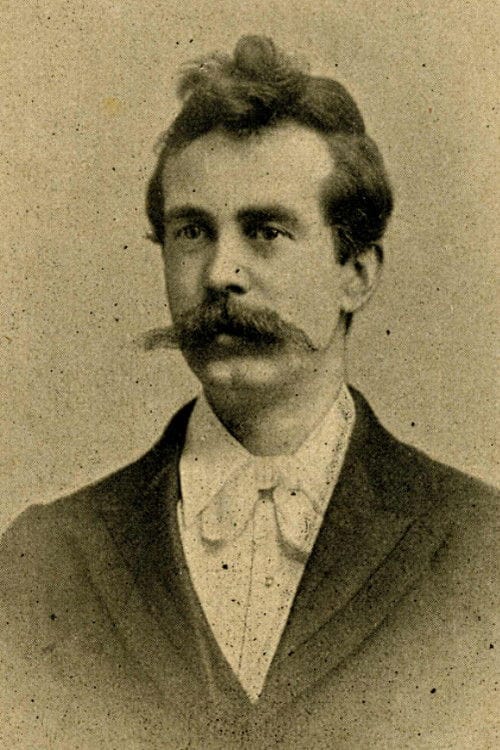
Albert E. Smith stands as a pivotal, though often overlooked, figure in the annals of early cinema. Born in Faversham, Kent, England, on April 4, 1875, Smith's journey to becoming a pioneering film director was one marked by transatlantic ambition and a relentless pursuit of innovation in the burgeoning motion picture industry. His story is inextricably linked with the very foundation of American cinema, a testament to his entrepreneurial spirit and creative vision during the formative years of the 20th century.
Unlike many of his contemporaries, Smith did not initially enter the film world through theatrical performance or technical trades. Details surrounding his early childhood and formal education remain relatively scarce, adding a layer of intrigue to his already compelling narrative. What is known, however, is that Smith possessed a keen interest in mechanical pursuits and a burgeoning fascination with the potential of photography. This inclination led him to immigrate to the United States in his late teens, seeking opportunities in the rapidly industrializing nation. He arrived in New York City at a time of immense technological advancement, a breeding ground for innovation and experimentation.
It was in New York that Smith's path converged with that of J. Stuart Blackton, a talented artist and cartoonist who was experimenting with stop-motion animation. This fateful meeting proved to be the catalyst for Smith's career in film. Recognizing the potential of combining their respective talents, Smith and Blackton formed a partnership that would forever alter the landscape of American cinema. Their collaboration marked the beginning of the Vitagraph Company of America, a name that would become synonymous with early film production and innovation. Smith’s contribution extended beyond mere business acumen; he quickly immersed himself in all aspects of filmmaking, from camera operation to script development, demonstrating a remarkable aptitude for the nascent art form.
Directorial Style & Signature Techniques
Albert E. Smith's directorial style, forged in the crucible of early filmmaking, was characterized by pragmatism, innovation, and a keen understanding of audience appeal. In an era when the very language of cinema was still being defined, Smith and his Vitagraph colleagues were instrumental in establishing many of the fundamental techniques and conventions that would become hallmarks of the industry.
One of Smith's defining characteristics was his commitment to realism. While many early films relied on fantastical narratives and staged theatrics, Smith strived to capture authentic moments and portray everyday life. This is evident in many of his newsreels and actuality films, which documented real-world events and offered audiences a glimpse into the lives of ordinary people. He understood the power of film to inform and educate, and he used his camera to capture the pulse of a rapidly changing society.
Beyond his commitment to realism, Smith was also a pioneer in the use of special effects. Working with the limited technology available at the time, he and Blackton devised innovative techniques for creating illusions and enhancing the visual spectacle of their films. Stop-motion animation, for which Blackton is often credited, was a key component of their arsenal, allowing them to bring inanimate objects to life and create fantastical sequences that captivated audiences. They also experimented with early forms of trick photography, using double exposure and other techniques to create surreal and dreamlike effects.
Another important aspect of Smith's directorial style was his emphasis on narrative clarity. In an era when films were often short and fragmented, Smith strove to create coherent storylines that would engage and entertain viewers. He understood the importance of character development, pacing, and dramatic tension, and he worked diligently to craft narratives that would resonate with audiences. While his films may seem simple by modern standards, they laid the foundation for the sophisticated storytelling techniques that would later become commonplace in Hollywood.
Smith's approach to directing was also deeply influenced by his understanding of the commercial realities of the film industry. He recognized that films needed to be both entertaining and profitable, and he tailored his productions to appeal to a broad audience. This meant embracing popular genres, such as comedies, melodramas, and westerns, and featuring recognizable actors who could draw crowds to theaters. While some critics might accuse him of being overly commercial, Smith's pragmatism was essential to the success of Vitagraph and the growth of the film industry as a whole.
Major Films & Career Highlights
Albert E. Smith's filmography during the 1900-1909 period, though not exhaustively documented as those of later directors, represents a significant contribution to the foundational years of cinema. His work with Vitagraph Company spanned various genres, showcasing his versatility and entrepreneurial spirit. While complete filmographies are difficult to compile from this era, several key films and projects stand out as significant milestones in his career.
One of the earliest and most notable films associated with Smith and Vitagraph is *The Enchanted Drawing* (1900), directed by J. Stuart Blackton but reflecting Smith's significant contribution to the company's creative direction and production capabilities. This short film, featuring Blackton as a cartoonist interacting with his drawings, showcased the innovative use of stop-motion animation and trick photography, capturing the public's imagination and solidifying Vitagraph's reputation as a pioneering film studio.
While Smith didn't always take sole directorial credit, he was a key figure in the production and development of numerous other films. *Tearing Down the Spanish Flag* (1898) (though produced slightly before the 1900-1909 window, its impact rippled through this era) a patriotic short film depicting the destruction of the Spanish flag, demonstrated Vitagraph's ability to tap into current events and national sentiment. It capitalized on the Spanish-American War fervor, showcasing early examples of propaganda and the power of film to influence public opinion. Smith's understanding of marketing and distribution helped propel this film to widespread popularity.
Vitagraph also produced numerous newsreels and actuality films, documenting events such as parades, political rallies, and natural disasters. These films provided audiences with a window into the world around them, contributing to the development of documentary filmmaking and establishing the newsreel as a staple of early cinema. Smith played a crucial role in overseeing the production of these newsreels, ensuring their timely release and distribution to theaters across the country.
Beyond short films and newsreels, Smith and Vitagraph also ventured into narrative storytelling, producing short dramas and comedies that catered to a growing audience. While specific titles are often difficult to attribute solely to Smith as director, he was instrumental in shaping the overall artistic direction of the company and ensuring the quality of its productions. Vitagraph's success in attracting talented actors and writers contributed to the increasing sophistication of their narratives and the growing popularity of their films.
A pivotal moment in Smith's career came with the rise of longer, more complex films. Though beyond the scope of the 1900-1909 timeframe, it's important to note that Vitagraph would later produce notable features. His earlier work directly paved the way for this evolution. The development and refinement of production techniques during this initial period were crucial in laying the groundwork for Vitagraph's later successes and the overall maturation of the film industry.
Smith's most significant career highlight during this period was arguably his role in establishing Vitagraph as a major player in the film industry. Through his business acumen, his technical expertise, and his creative vision, he helped transform a small startup into a thriving enterprise that would shape the future of American cinema. His relentless pursuit of innovation and his commitment to quality helped set a new standard for film production and distribution, paving the way for the emergence of Hollywood as the center of the film world.
Collaborations & Influence
Albert E. Smith's career was profoundly shaped by his collaborations, most notably his partnership with J. Stuart Blackton. Their synergy at Vitagraph wasn't just a business arrangement; it was a creative fusion that propelled the company to the forefront of early cinema. Blackton's artistic talents in drawing and animation, coupled with Smith's technical and business sensibilities, created a powerful combination that fostered innovation and commercial success.
Their collaborative spirit extended beyond their direct partnership. Vitagraph became a hub for other talented individuals, including actors, writers, and technicians who contributed to the company's diverse output. Smith fostered an environment where experimentation and creativity were encouraged, leading to the development of new techniques and approaches to filmmaking. While specific names are sometimes lost to history, the collaborative nature of Vitagraph's productions ensured that many individuals contributed to the overall success of the company.
Smith's influence on other filmmakers and studios of the era is undeniable, though often indirect. Vitagraph's success served as a model for other aspiring film entrepreneurs, demonstrating the potential of the motion picture industry as a viable business. Their innovative techniques in animation, special effects, and narrative storytelling were widely imitated, contributing to the rapid evolution of cinematic language. The company's commitment to quality and its ability to appeal to a broad audience helped raise the bar for film production across the industry.
Beyond the immediate circle of Vitagraph, Smith's work influenced the development of film distribution and exhibition practices. The company's efforts to establish a network of theaters and distribution channels helped create a national market for films, paving the way for the rise of the studio system. Smith's understanding of audience preferences and his ability to market films effectively contributed to the growing popularity of cinema as a form of entertainment.
Awards & Recognition
During the 1900-1909 period, formal awards and recognition systems within the film industry were still in their infancy. The concept of prestigious awards ceremonies like the Academy Awards was decades away. Therefore, Albert E. Smith's recognition during this period manifested in different forms.
His primary recognition came from the commercial success and growing influence of Vitagraph. The company's ability to consistently produce popular and innovative films earned it a strong reputation within the industry and among audiences. This commercial viability translated into financial success, solidifying Smith's position as a leading figure in the early film world.
Furthermore, Smith and Vitagraph received recognition through industry publications and trade journals, which documented the company's achievements and innovations. These publications served as a platform for sharing best practices and highlighting groundbreaking work, and Vitagraph's contributions were frequently acknowledged in these forums. Articles and reviews often praised the company's technical prowess, its creative storytelling, and its ability to capture the public's imagination.
While not a formal award, the sheer impact of Vitagraph on the burgeoning film industry served as a testament to Smith's leadership and vision. The company's success paved the way for the development of Hollywood and the studio system, solidifying Smith's legacy as a pioneer of American cinema. The recognition he received during this period, though less formalized than modern awards, was nonetheless significant in establishing his reputation as a key figure in the early film world.
Cultural Impact & Legacy
Albert E. Smith's cultural impact and legacy extend far beyond the specific films he directed or produced. He was instrumental in shaping the very foundations of the American film industry, contributing to the development of a new art form and a powerful medium for entertainment and communication. His work with Vitagraph helped transform cinema from a novelty into a mass medium, reaching audiences across the country and around the world.
Smith's commitment to innovation and his willingness to experiment with new techniques helped push the boundaries of cinematic expression. His work in animation, special effects, and narrative storytelling paved the way for future generations of filmmakers, inspiring them to explore the creative possibilities of the medium. The techniques and conventions that he helped establish during the early years of cinema continue to influence filmmaking today.
Moreover, Smith's contributions to film distribution and exhibition helped create a national market for films, transforming cinema from a local phenomenon into a global industry. His understanding of audience preferences and his ability to market films effectively contributed to the growing popularity of cinema as a form of entertainment. The studio system that emerged in Hollywood was built on the foundations laid by pioneers like Smith, who recognized the potential of the motion picture industry as a powerful force in society.
While Albert E. Smith may not be a household name today, his legacy as a pioneer of early cinema is undeniable. He was a visionary entrepreneur, a talented filmmaker, and a key figure in the development of the American film industry. His contributions helped shape the cultural landscape of the 20th century and continue to resonate in the films we watch today. His story serves as a reminder of the importance of innovation, collaboration, and a relentless pursuit of excellence in the ever-evolving world of cinema.